inscription on the list of intangible cultural heritage
Mountain Porters
The last sherpas of their kind in the world
Discover the strength, endurance, and humility of the people who supply the Tatra mountain huts in all kinds of weather
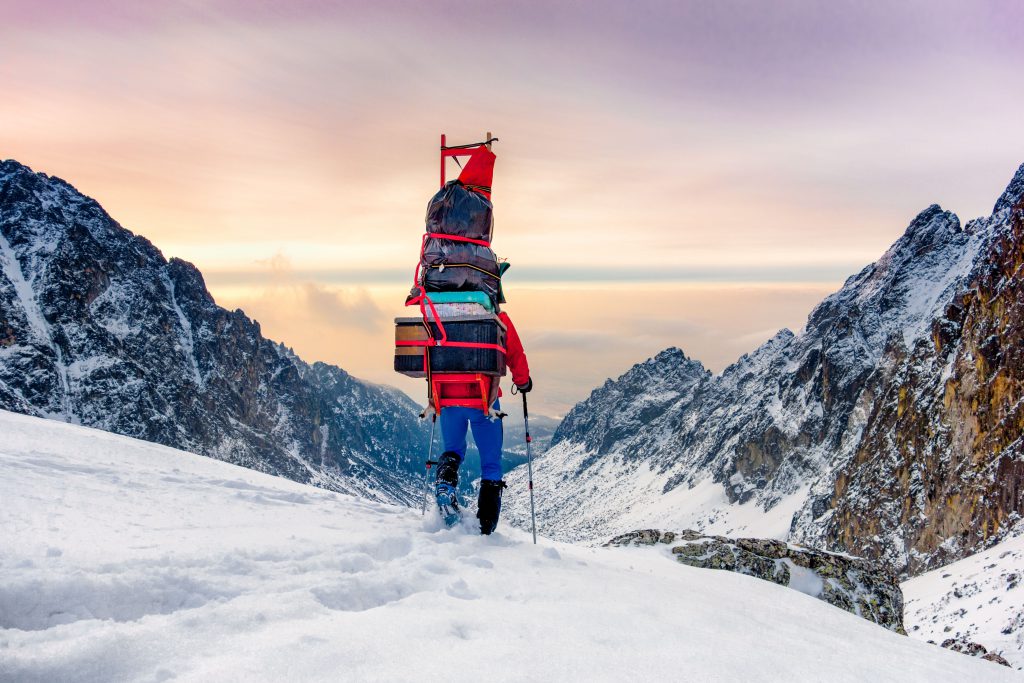
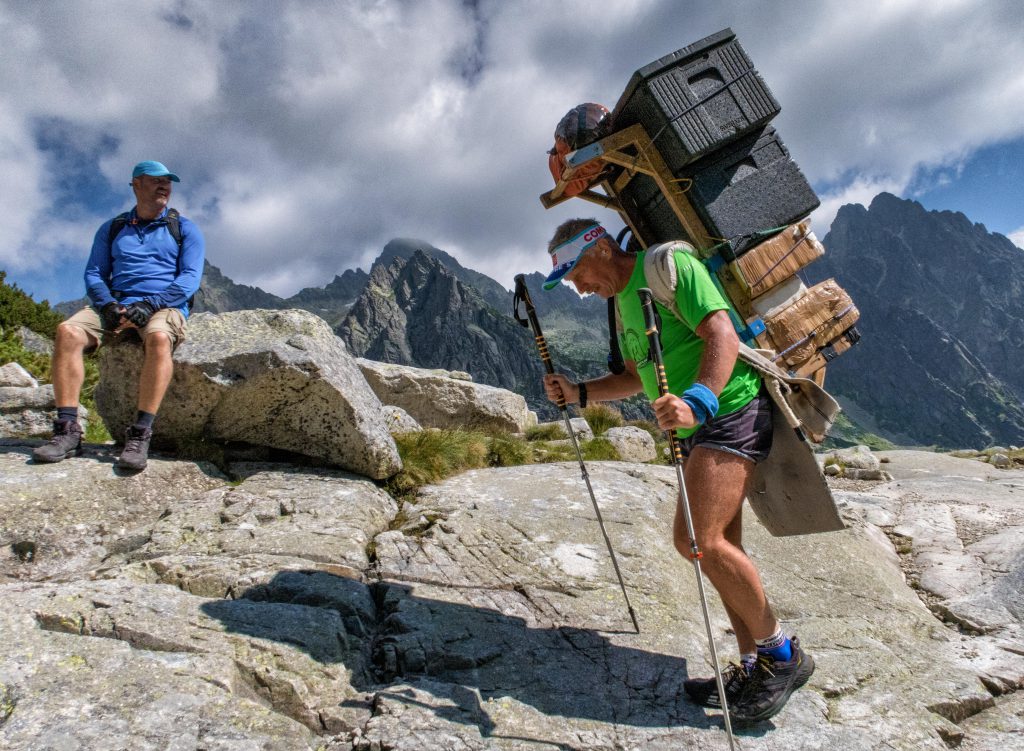
The last sherpas of their kind in the world. These are the Slovak high-altitude porters who regularly supply mountain huts in the High Tatras.
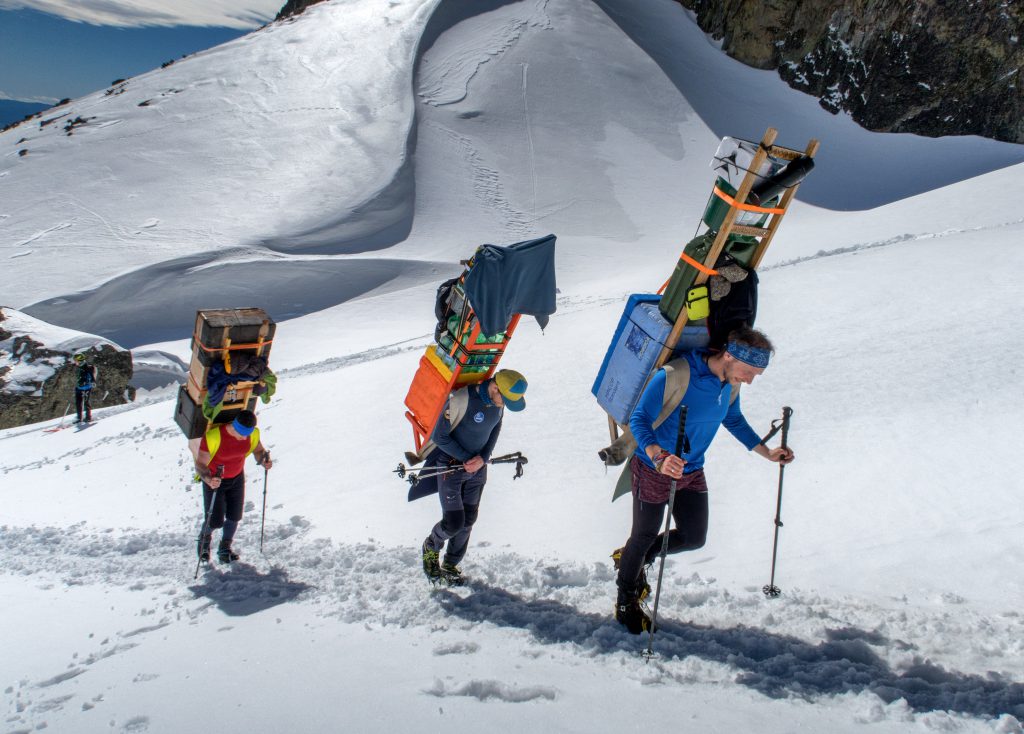
Using special backpacks, they carry dozens of kilograms of food, fuel, and building materials. The uniqueness of this craft is also confirmed by its inclusion on the Representative List of the Intangible Cultural Heritage of Slovakia.
Tatra mountain huts supplied by porters
cargo carried in pack saddles
The number of men participating in the Nosičská Stovka
What do you need to know before you arrive?
You can encounter porters on the trails leading to six Tatra mountain huts

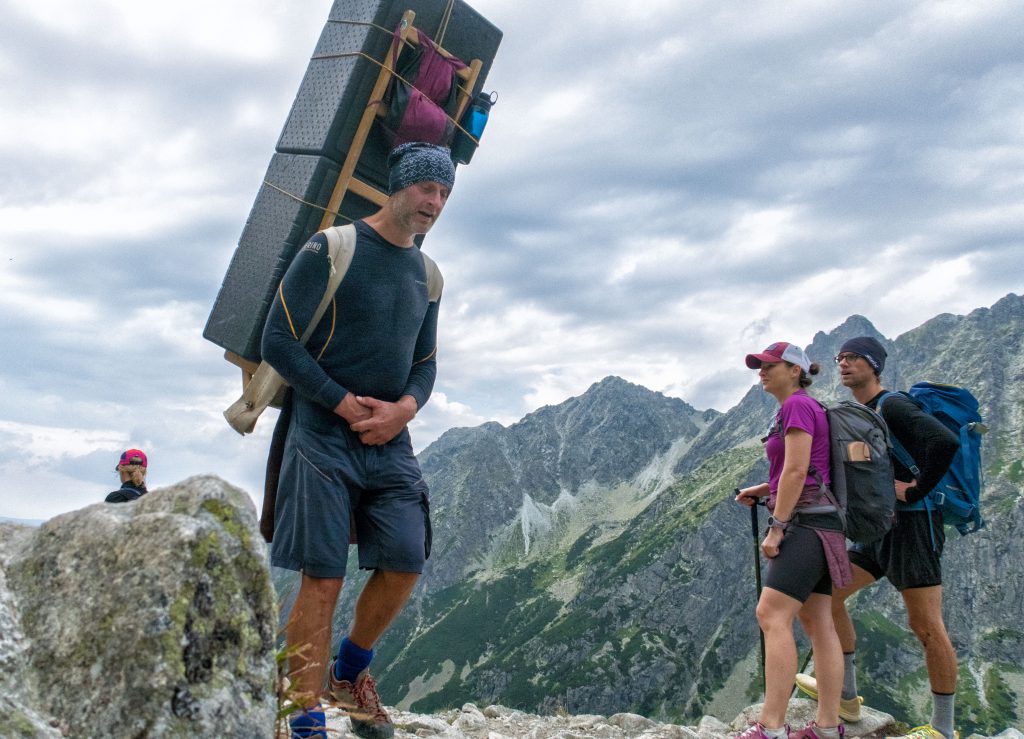
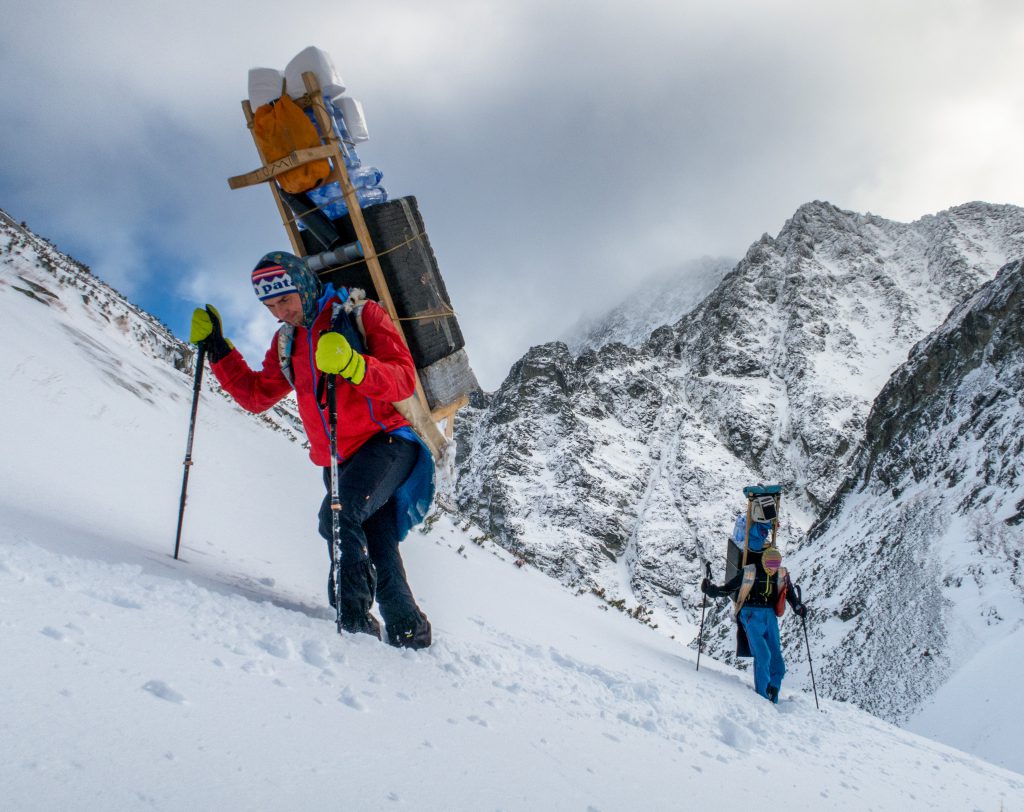
They carry the load on specially modified backpacks
They transport food, fuel, building materials, and barrels of beverages
The weight of the cargo often exceeds 60 kilograms
This summer, you can try your hand at carrying a pack on the trail to Chata pod Rysmi
You can learn about the history of porters at Rainer's Cabin
You'll find the Sherpa Museum in Starý Smokovec
Please read this before your visit
Try babywearing
Along the trail from Popradské pleso toward Chata pod Rysmi, small loads are usually set out during the summer that you can carry up to the cabin.
Choose an appropriate load
Adjust the weight of your load to match your fitness level and experience. Don't forget to wear sturdy hiking boots and appropriate clothing.
Respect the work of porters
When passing someone on a narrow sidewalk, leave the person carrying the load plenty of space. A heavy load significantly restricts their movement and visibility.
What kinds of things do porters carry?
They carry on their shoulders everything needed for the day-to-day operation of high-altitude mountain huts. Food and daily necessities, fuel, building materials, propane tanks, kegs of beer and Kofola, lodging supplies, and souvenirs.
Loads weighing 60 kilograms or more are secured to special backpacks of various shapes and materials. The most commonly used are traditional wooden backpacks equipped with sturdy straps.

Mountain huts supplied by Tatra porters
Chata pod Rysmi
Supplied by mountain porters
Bandits’ Cabin, supplied by mountain porters
Rainer’s Cabin
The tradition of porters and a small museum
Zamkovský’s Cabin
Supplied by mountain porters
Téry’s Cabin
Supplied by mountain porters
Mountain Lodge: Supplies brought up from the cable car station

Sherpa Race
Mountain porters have always had a competitive spirit. The desire to be a little faster, a little stronger, and to surpass their performance from the previous year laid the foundation for the creation of a unique sherpa race.
Every year, Tatra porters test their strength, endurance, and ability to tackle a demanding mountain trail while carrying a heavy load.
Sherpa Rally
Since 1985, daring porters have been gathering every year for the unique Sherpa Rally. The men load 60 kilograms onto their backs and set out on the course to push themselves to new limits and break their own records.
Part of the event is the Lady Rally, designed for women who complete the course carrying a 20-kilogram load.
Nosičská 100 – Juraj Petranský Memorial
The 100-Kilogram Carry is an even tougher test of strength and endurance. Men carry a load weighing 100 kilograms, and women carry 30 kilograms. On the route from Hrebienok to Zamkovský Chalet, they cover 2.7 kilometers and climb 190 meters in elevation.
The race also serves as a tribute to Juraj Petranský, who fell in love with the High Tatras and made his living by supplying mountain huts. In March 2000, he was struck by an avalanche while making a supply run to Téry’s Hut in Malá Studená Valley. He was just under 27 years old.

This is what it looks like here. Take a look


Must-See Places. Discover them one by one
Every corner of the High Tatras has its own story. Discover the places that shape the character of the region


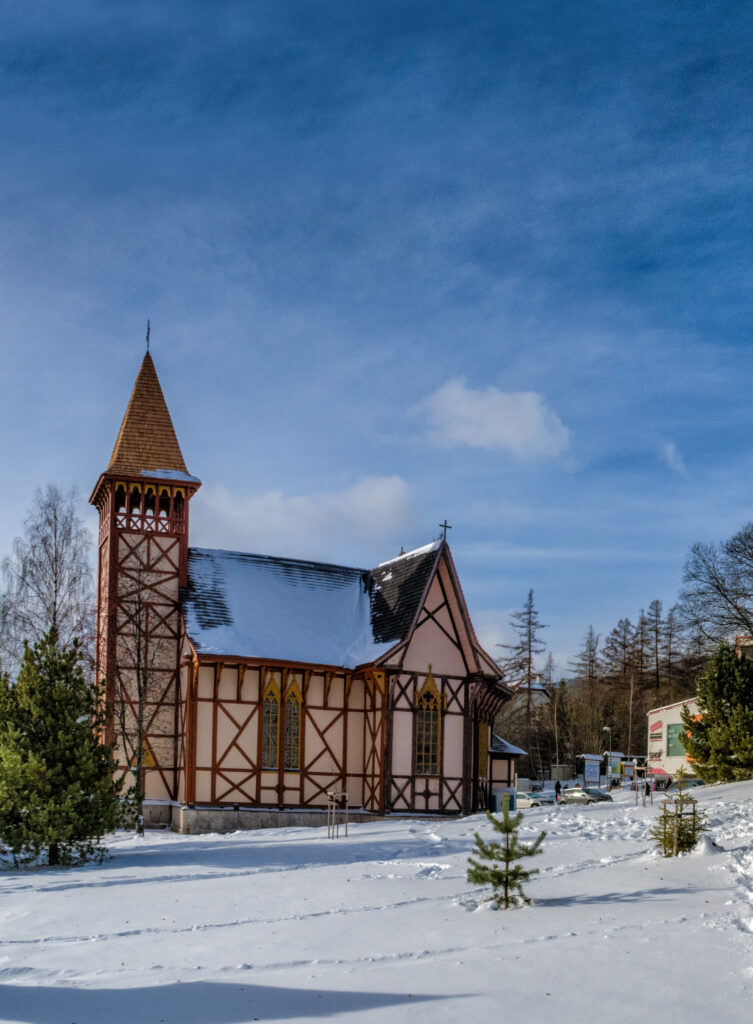



The Tatra Mountains wake up differently every day
Current conditions, upcoming events, and editorial recommendations. Everything you need to know before heading to the Tatras.

Webcams
Poprad
6°C
Clear

Lomnický štít
-5°C
Clear
Tatranská Lomnica
5°C
Clear
Starý Smokovec
4°C
Clear
Hrebienok
3°C
Clear
Štrbské Pleso
3°C
Clear
Skalnaté pleso
1°C
Clear
Solisko
1°C
Clear
Most sidewalks are open


The chairlifts are in operation

The bike trails are open


Everything You Need to Know Before Your Trip
Answers to the most frequently asked questions about the High Tatras region.
The High Tatras have something to offer all year round. The best time for high-altitude hiking is from June to October, when the hiking trails at higher elevations are open. Fall brings more stable weather, pleasant temperatures, and beautiful views. Winter is ideal for skiing, winter walks, and visiting locations that are accessible year-round. Before setting out on a trip, always check the current weather conditions and any trail closures.
You do not need a special permit for regular hiking on marked trails. However, you must comply with TANAP’s visitor regulations and seasonal closures, and you may only hike on open trails. Special rules apply, for example, to rock climbing, ski mountaineering, hiking off marked trails, or bringing a dog into the park.
You can easily reach the main Tatra resorts by train. The Tatra Electric Railways connect Poprad, Starý Smokovec, Štrbské Pleso, and Tatranská Lomnica. A cog railway runs from Štrba to Štrbské Pleso. You can also take advantage of regular bus routes and seasonal shuttle services in the region.
You can park in designated parking lots in the various Tatra villages. During peak periods, we recommend using the P+R park-and-ride lot at Eurocamp in Tatranská Lomnica and continuing by shuttle bus. From this parking lot, you can take public transportation to destinations such as Tatranská Lomnica, Tatranské Matliare, Biela Voda, or the Belianska Cave.
For hiking, choose sturdy hiking boots with non-slip soles that stabilize your feet and protect them on rocky or wet terrain. Your gear should also include weather-appropriate clothing and a rain jacket. Sandals and regular city shoes are not suitable for more demanding hikes.
When a storm is approaching, leave peaks, ridges, saddles, mountain passes, and open areas as soon as possible. Descend to lower elevations, avoid standing near isolated trees or metal objects, and keep your distance from other members of your group. If possible, take shelter in a mountain hut or a safe building. The best prevention is to check the weather forecast, set out early in the morning, and shorten or cancel your hike in a timely manner if conditions take a turn for the worse. Safety must take precedence over reaching your destination.