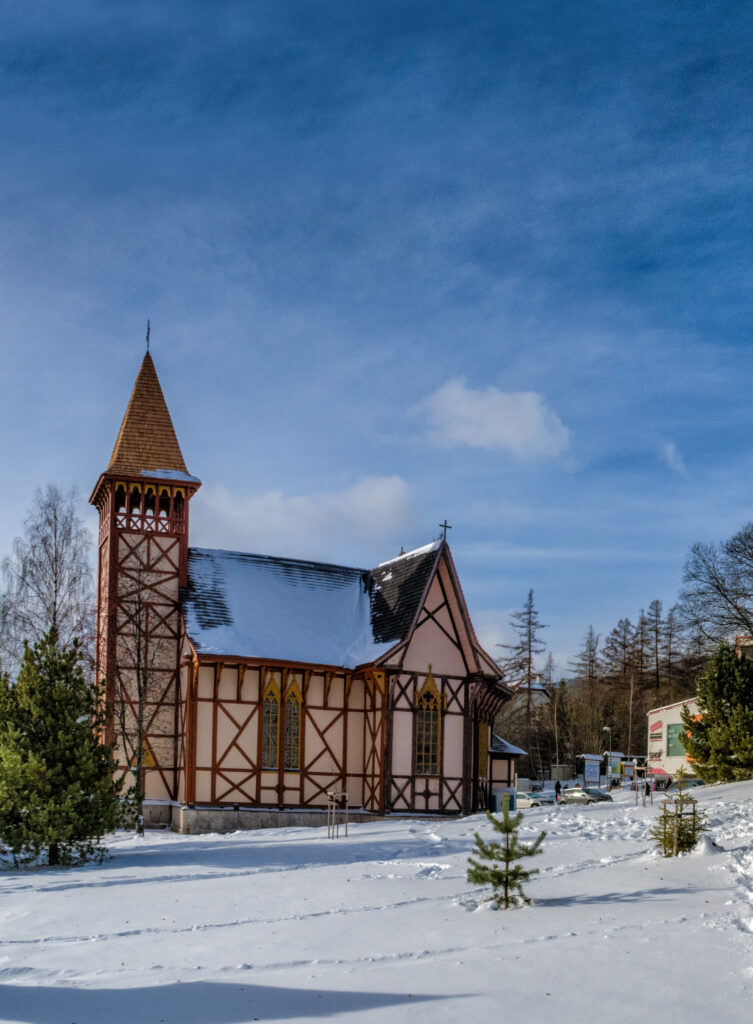
Winter in the Tatras is a fairy tale you have to experience at least once in your life. Discover the region at its most enchanting.

When the first snow covers the Tatra peaks, the region is transformed into a winter wonderland unlike any other in Central Europe

Winter arrives quietly in the Tatras—first blanketing the peaks in white, then gradually covering the entire region in white. The spruce forests bend under the weight of the snow, the mountain lakes freeze over, and the Tatra villages take on an atmosphere you won’t find at any other time of year. It’s a time when the mountains look their most impressive and when every view from the cable car takes your breath away.

For skiers and snowboarders, winter is the peak season—the slopes open, the lifts start running, and snow cannons ensure good conditions even on days with little snow. Cross-country ski trails wind through the picturesque foothills, sledding slopes attract entire families, and ski mountaineers set out on ascents at sunrise. For those who prefer a more leisurely pace, winter hiking along groomed trails offers unforgettable views of snow-covered ridges.

When the sun dips below the mountains, the Tatra Mountains in winter offer a different kind of experience—hot chocolate by the fireplace, a spa treatment after a full day of skiing, or dinner at a mountain hut where time seems to pass differently. Winter in the Tatra Mountains isn’t just about skiing. It’s about the overall atmosphere that captivates you from the very first moment you look out the window and see the snow-capped peaks.

region-tatras-in-winter

What's in store for you in the Tatras this winter

Downhill skiing, cross-country skiing, sledding, winter hiking, and wellness — discover all the winter activities the High Tatras region has to offer.

Places Worth Visiting. Discover the Tatras Step by Step

Every week, we select routes that we recommend visiting. Discover the Tatras where the locals know them best.

Everything You Need to Know Before Your Trip

Answers to the most frequently asked questions about the High Tatras region.

    The Tatras directly to your inbox

    Once in a while, we'll send you the best.

    The High Tatras have something to offer all year round. The best time for high-altitude hiking is from June to October, when the hiking trails at higher elevations are open. Fall brings more stable weather, pleasant temperatures, and beautiful views. Winter is ideal for skiing, winter walks, and visiting locations that are accessible year-round. Before setting out on a trip, always check the current weather conditions and any trail closures.

    You do not need a special permit for regular hiking on marked trails. However, you must comply with TANAP’s visitor regulations and seasonal closures, and you may only hike on open trails. Special rules apply, for example, to rock climbing, ski mountaineering, hiking off marked trails, or bringing a dog into the park.

    You can easily reach the main Tatra resorts by train. The Tatra Electric Railways connect Poprad, Starý Smokovec, Štrbské Pleso, and Tatranská Lomnica. A cog railway runs from Štrba to Štrbské Pleso. You can also take advantage of regular bus routes and seasonal shuttle services in the region.

    You can park in designated parking lots in the various Tatra villages. During peak periods, we recommend using the P+R park-and-ride lot at Eurocamp in Tatranská Lomnica and continuing by shuttle bus. From this parking lot, you can take public transportation to destinations such as Tatranská Lomnica, Tatranské Matliare, Biela Voda, or the Belianska Cave.

    For hiking, choose sturdy hiking boots with non-slip soles that stabilize your feet and protect them on rocky or wet terrain. Your gear should also include weather-appropriate clothing and a rain jacket. Sandals and regular city shoes are not suitable for more demanding hikes.

    When a storm is approaching, leave peaks, ridges, saddles, mountain passes, and open areas as soon as possible. Descend to lower elevations, avoid standing near isolated trees or metal objects, and keep your distance from other members of your group. If possible, take shelter in a mountain hut or a safe building. The best prevention is to check the weather forecast, set out early in the morning, and shorten or cancel your hike in a timely manner if conditions take a turn for the worse. Safety must take precedence over reaching your destination.