The History of Boating at the pleso
Boating on Štrbské Pleso
A unique experience on the surface of a Tatra lake

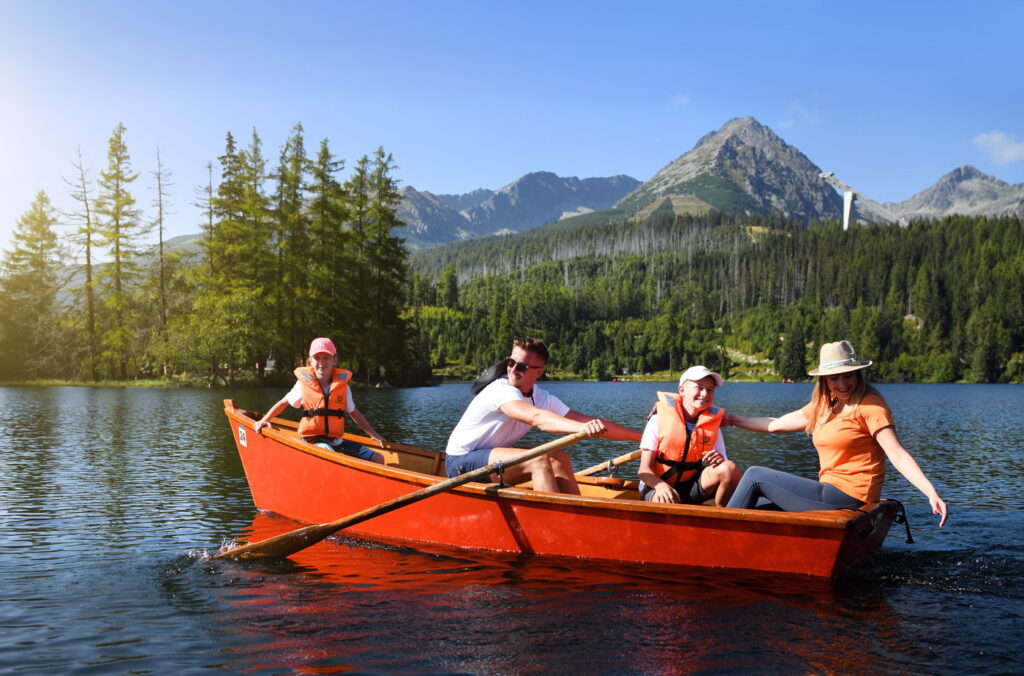
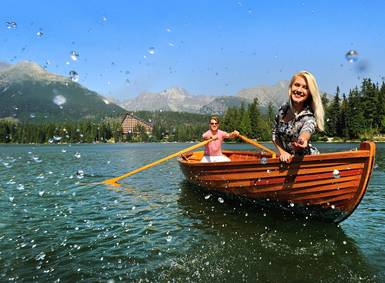
Boating on Štrbské Pleso is one of the most popular summer activities in the High Tatras. A peaceful cruise on traditional wooden boats offers a unique opportunity to enjoy the beauty of the Tatra landscape right from the water’s surface.
The tradition of boating dates back more than 130 years. After a long hiatus, it was revived in 2008 and today once again allows visitors to admire the panorama of Solisko and the surrounding Tatra peaks from a completely different perspective.
traditional wooden boats
the year rowing was revived
minimum height of the child
What do you need to know before you arrive?
Boating is a seasonal activity that depends on the current weather conditions.

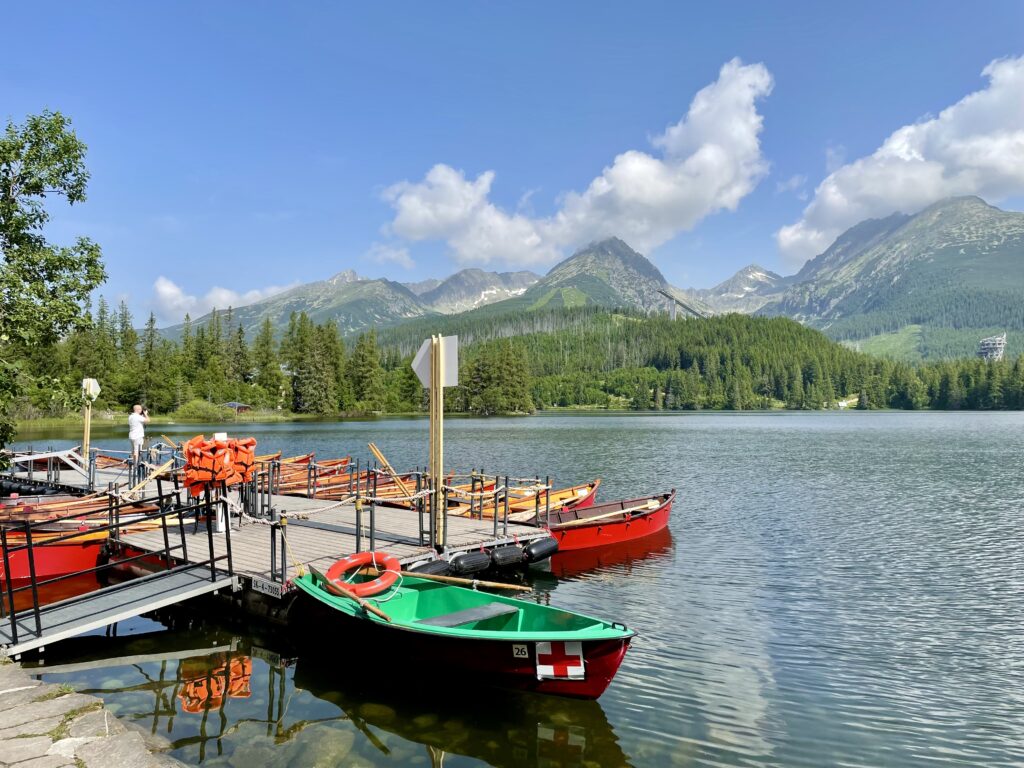
Traditional wooden boats are available.
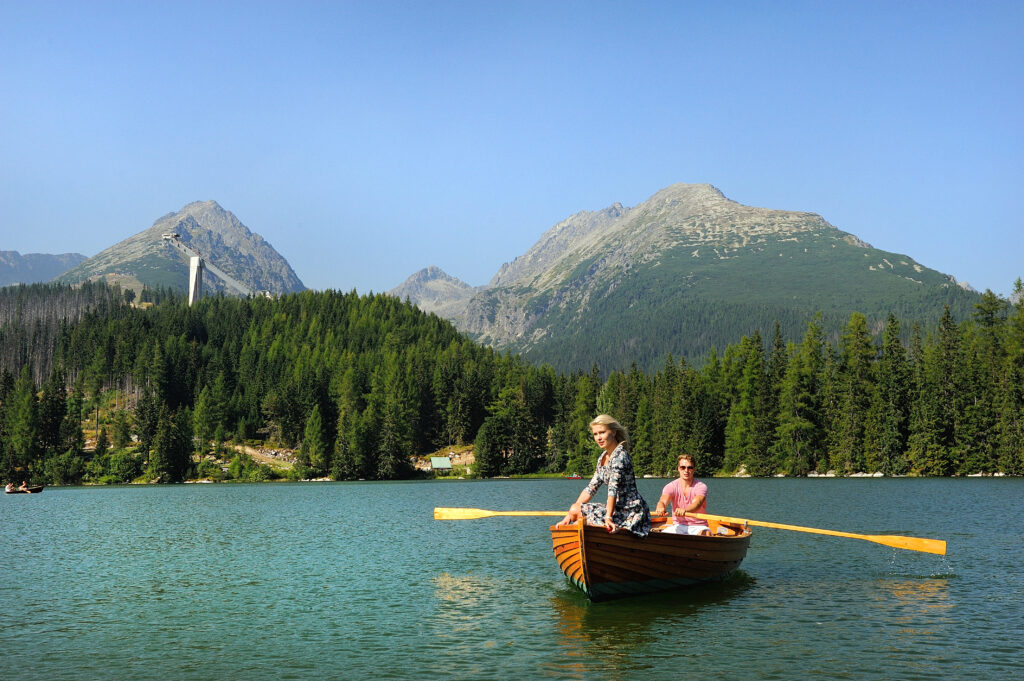
You can also enjoy the cruise with a private rower.
Boarding and disembarking are permitted only at the pier.
Swimming in the lake and jumping from boats are prohibited.
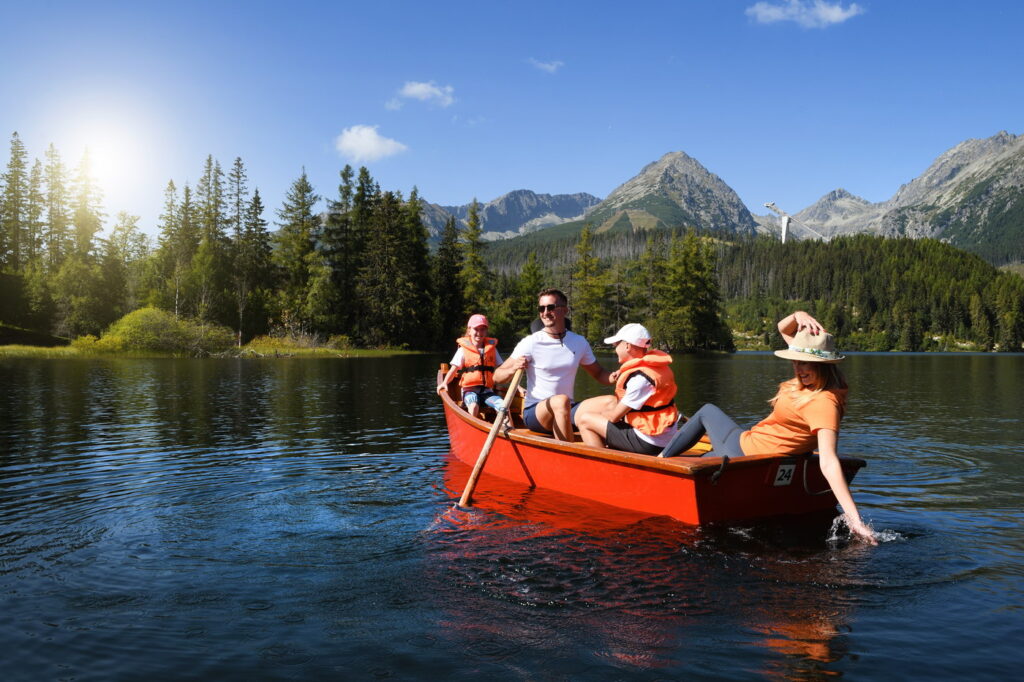
Children under 15 must wear an appropriate life jacket.
- Please check the operating hours, availability, and current price list before your visit.
Please read this before your visit
Check the current status
Boat rides are available during the summer season, depending on the weather and operating conditions. We recommend checking the current hours of operation before your visit.
Think about safety
During the cruise, please follow the crew’s instructions and observe the rules of operation. Children under 15 must wear a proper life jacket.
Protect Nature
Štrbské pleso is located in a protected area. While boating, it is prohibited to pollute the water, fish, or feed waterfowl.
Boating with a view of the Tatra peaks
The calm waters of Štrbské Pleso, the surrounding forests, and the panoramic view of the majestic Tatra peaks create a unique atmosphere. A boat ride on a wooden boat offers the chance to slow down, enjoy the silence of nature, and discover one of the most famous places in the High Tatras from a new perspective.
Visitors can enjoy stylish wooden boats that enhance the historic character of this popular activity. For those who want to enjoy the views without rowing, there’s also the option of a cruise with a private rower.

The Tradition of Boating on Štrbské Pleso
The history of boating on Štrbské Pleso dates back to the 19th century, when the area gradually transformed into a popular tourist and recreational destination. As early as 1880, there was a pier and a boathouse on the shore. Boating on the lake was one of the visitors’ favorite summer activities.
In the 1980s, boating was banned for environmental protection reasons. This tradition was not revived until 2008, after a hiatus of approximately 25 years. Today, boating once again evokes the atmosphere of the historic Tatra resorts and is one of the signature experiences at Štrbské Pleso.

Boating Rules
Boating takes place in a strictly protected natural environment; therefore, it is necessary to follow the operating rules and respect the instructions of the staff.
Nature Conservation
During the cruise, it is prohibited to fish, feed waterfowl or fish, or throw trash into the water. Swimming and jumping from the boats into the lake are not permitted.
Water Safety
Boarding and disembarking are permitted exclusively at the dock. It is prohibited to operate a boat while under the influence of alcohol or other intoxicating substances. Food and carry-on luggage are not permitted on board.
Boating with Children
Children aged 2 years and 6 months or older, with a minimum height of 93 cm, may participate in the cruises. Children under 15 years of age must wear an appropriate life jacket. The operating staff determines whether a child is safe to participate.

This is what it looks like here. Take a look



Must-See Places. Discover them one by one
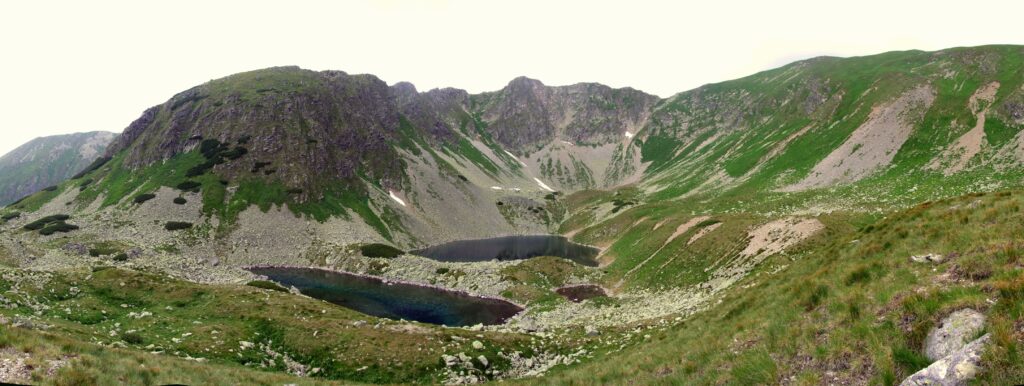
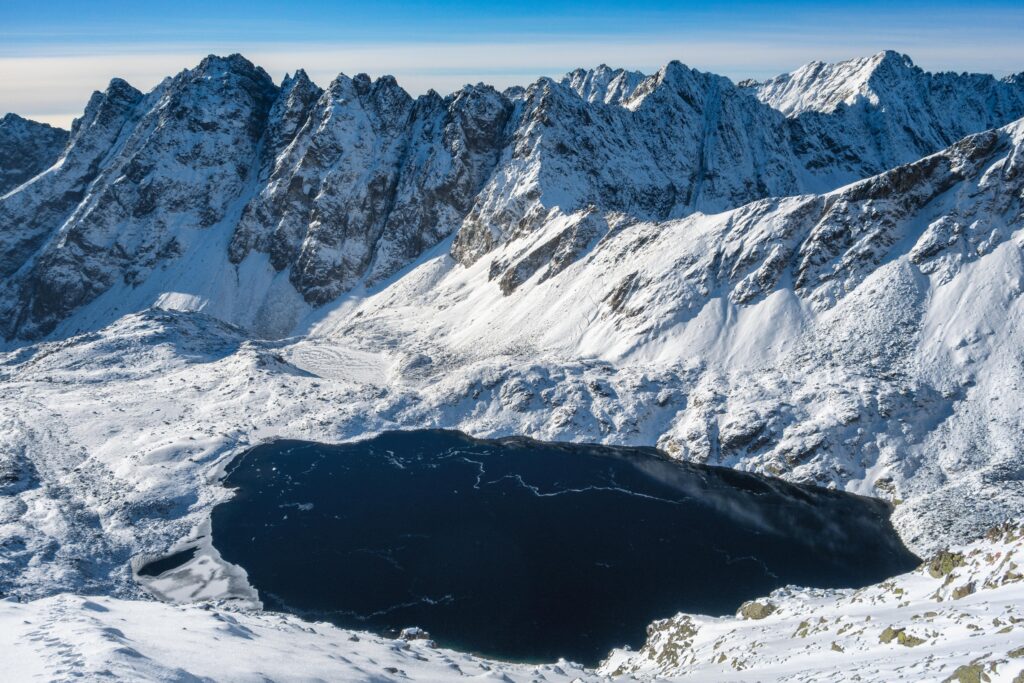
Every corner of the Tatra Mountains has its own story. Discover the places that shape the character of the region







The Tatra Mountains wake up differently every day
Current conditions, upcoming events, and editorial recommendations. Everything you need to know before heading to the Tatras.

Webcams
Poprad
3°C
Overcast

Lomnický štít
-6°C
Snow

Tatranská Lomnica
1°C
Fog

Starý Smokovec
0°C
Fog
Hrebienok
-1°C
Drizzle

Štrbské Pleso
1°C
Drizzle
Skalnaté pleso
-1°C
Snow
Solisko
-2°C
Snow
Most sidewalks are open


The chairlifts are in operation

The bike trails are open


Everything You Need to Know Before Your Trip
Answers to the most frequently asked questions about the High Tatras region.
The High Tatras have something to offer all year round. The best time for high-altitude hiking is from June to October, when the hiking trails at higher elevations are open. Fall brings more stable weather, pleasant temperatures, and beautiful views. Winter is ideal for skiing, winter walks, and visiting locations that are accessible year-round. Before setting out on a trip, always check the current weather conditions and any trail closures.
You do not need a special permit for regular hiking on marked trails. However, you must comply with TANAP’s visitor regulations and seasonal closures, and you may only hike on open trails. Special rules apply, for example, to rock climbing, ski mountaineering, hiking off marked trails, or bringing a dog into the park.
You can easily reach the main Tatra resorts by train. The Tatra Electric Railways connect Poprad, Starý Smokovec, Štrbské Pleso, and Tatranská Lomnica. A cog railway runs from Štrba to Štrbské Pleso. You can also take advantage of regular bus routes and seasonal shuttle services in the region.
You can park in designated parking lots in the various Tatra villages. During peak periods, we recommend using the P+R park-and-ride lot at Eurocamp in Tatranská Lomnica and continuing by shuttle bus. From this parking lot, you can take public transportation to destinations such as Tatranská Lomnica, Tatranské Matliare, Biela Voda, or the Belianska Cave.
For hiking, choose sturdy hiking boots with non-slip soles that stabilize your feet and protect them on rocky or wet terrain. Your gear should also include weather-appropriate clothing and a rain jacket. Sandals and regular city shoes are not suitable for more demanding hikes.
When a storm is approaching, leave peaks, ridges, saddles, mountain passes, and open areas as soon as possible. Descend to lower elevations, avoid standing near isolated trees or metal objects, and keep your distance from other members of your group. If possible, take shelter in a mountain hut or a safe building. The best prevention is to check the weather forecast, set out early in the morning, and shorten or cancel your hike in a timely manner if conditions take a turn for the worse. Safety must take precedence over reaching your destination.