Starý Smokovec
Starý Smokovec is the heart of the High Tatras, with a unique mountain atmosphere.



Year the oldest settlement in the Tatra Mountains was founded
It was the only settlement in the High Tatras
The year the cable car to Hrebienok began operating
The oldest settlement in the Tatras, where history, mountain adventures, and life beneath the peaks come together in one place
Starý Smokovec is the oldest settlement in the Tatra Mountains and also the administrative center of the town of Vysoké Tatry. It was founded in 1793 by Štefan Csáky, the owner of the surrounding lands, near acidic mineral springs that were once used for hydrotherapy. For nearly 80 years, it remained the only settlement in the High Tatras and was originally known simply as Smokovec. It experienced significant development during the tenure of Ján Juraj Rainer and his wife Alžbeta.
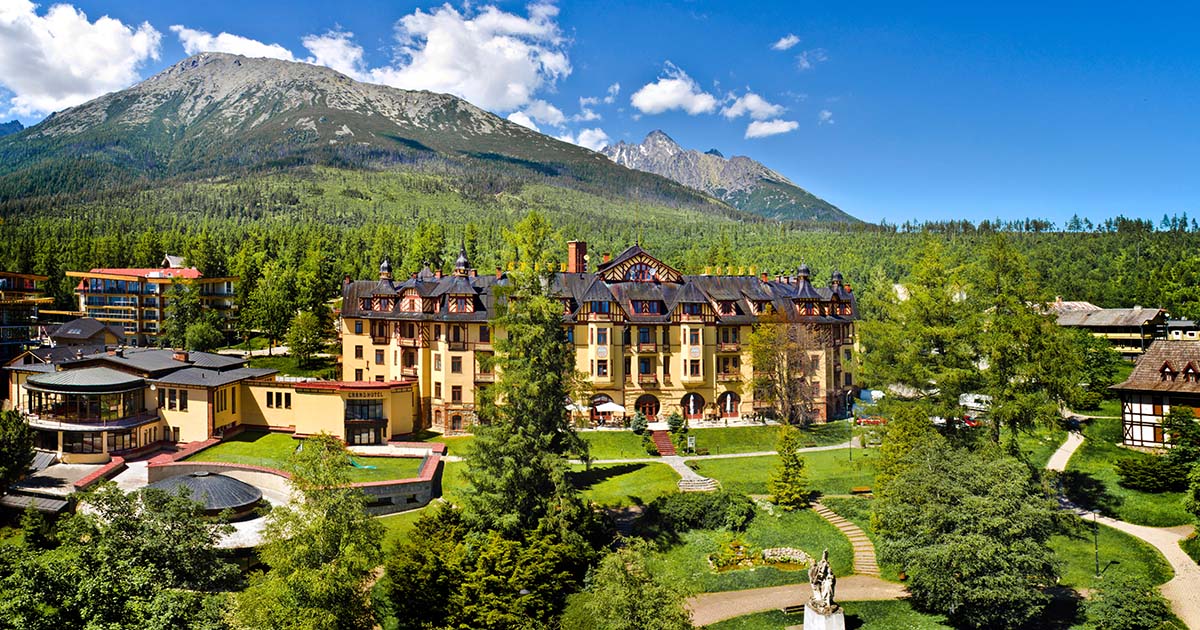
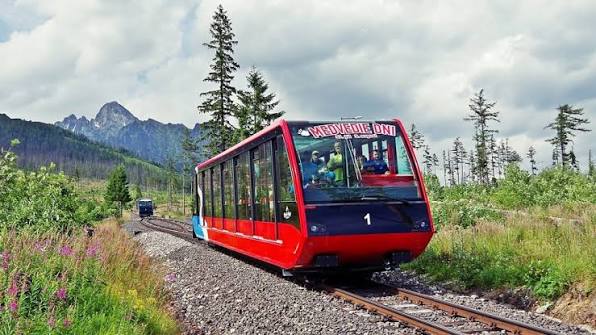
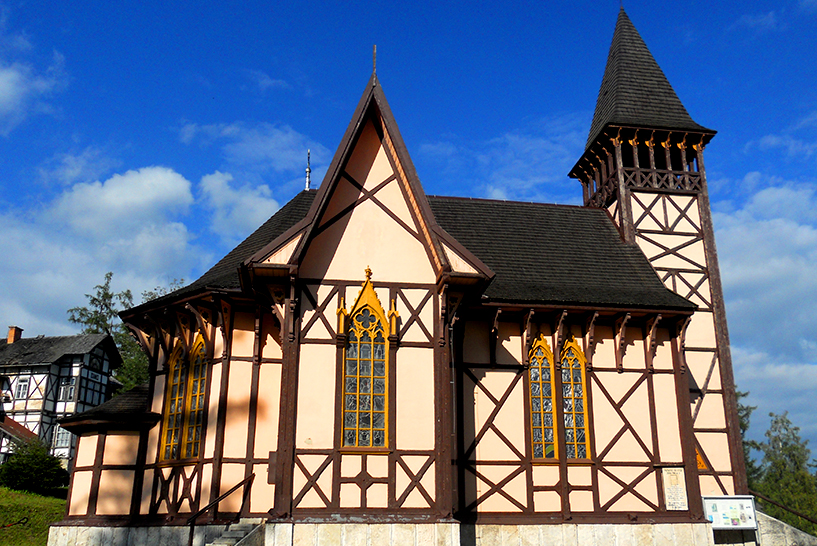
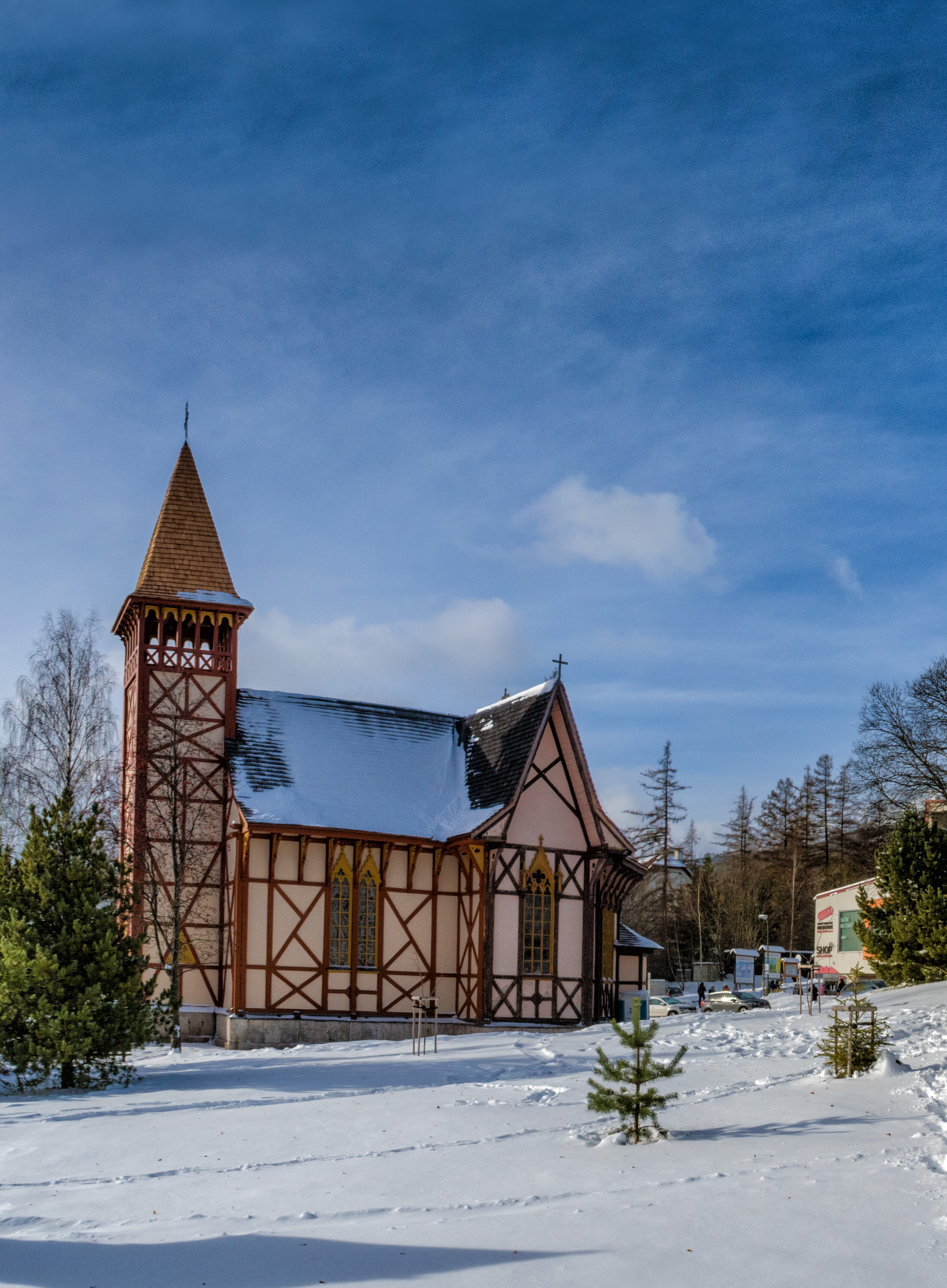
Over time, spa buildings, villas, and hotels sprang up here, giving the mountain resort its unmistakable character. Among the most significant structures are the Chapel of Our Lady of Lourdes from 1836, the Swiss House, and the first large Tatra Grand Hotel, completed in 1904. The development of the settlement was also supported by the construction of the Tatra Electric Railway and the ground-level cable car to Hrebienok, which has been in operation since 1908.
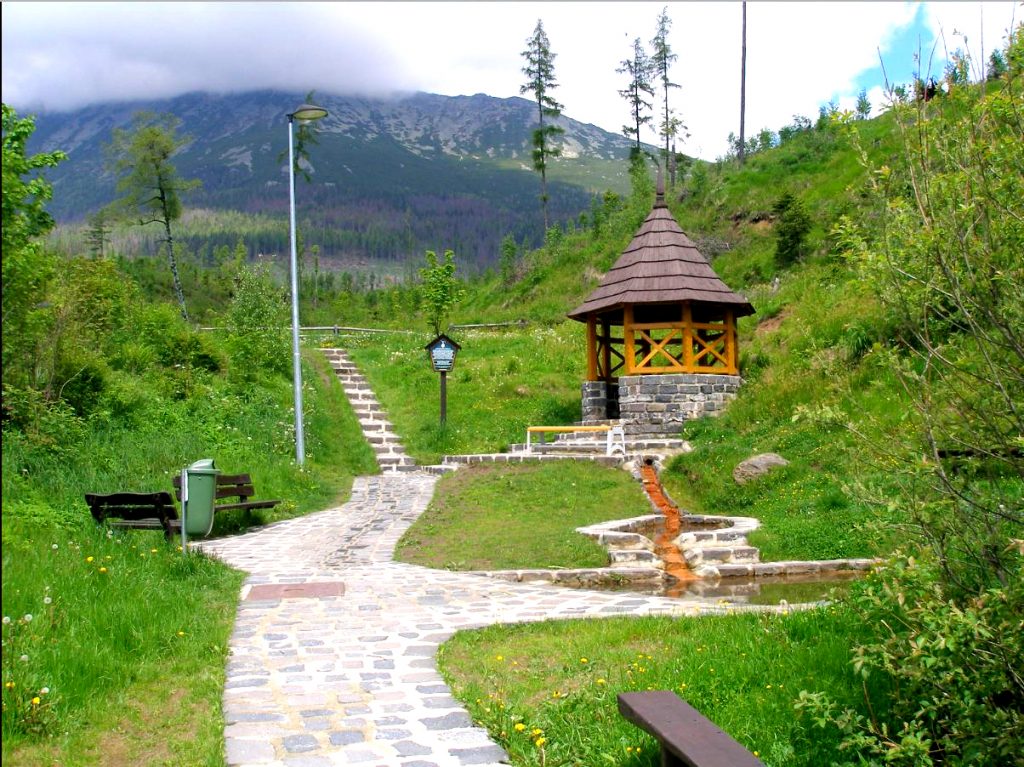
Today, Starý Smokovec is an important transportation and tourist hub. It serves as the starting point for trips to Hrebienok, the Studený Potok waterfalls, and the surrounding valleys. Right in the village, you can explore historic architecture, visit attractions, or sample the freely accessible Smokovec mineral water, whose springs were there at the very founding of the village.

What We Offer

What do you need to know before you arrive?
Please read this before your visit
The operating hours of the ground cable car vary by season and may be affected by weather conditions or scheduled technical maintenance. Please check the resort’s website for current operating hours before your trip.
Starý Smokovec is a major hub on the Tatra Electric Railway. On weekends and during the peak tourist season, parking in the town center can be limited, so taking the tram is a good alternative.
If you plan to continue from Starý Smokovec into the mountains, check the current weather, trail conditions, and any closures. Follow the visitor regulations of the Tatra National Park.
Where to Stay in the Area
Plan a comfortable stay—choose accommodations near this location and enjoy the region to the fullest without unnecessary travel.


Where to Eat in the Area
From traditional Tatra mountain huts to modern restaurants with mountain views—discover the local cuisine and plan where you’ll treat yourself to a well-deserved break with a good meal after your trip.



This is what it looks like here. Take a look

Discover other cities and towns in the region
Every town and village in the Tatra Mountains has its own history, character, and atmosphere—explore other destinations worth visiting.


Must-See Places: Discover One Place at a Time
Every corner of the High Tatras has its own story. Discover the places that shape the character of the region.


The Tatra Mountains wake up differently every day
Current conditions, upcoming events, and editorial recommendations. Everything you need to know before heading to the Tatras.

Webcams
Poprad
0°C
Clear

Lomnický štít
-8°C
Clear
Tatranská Lomnica
-2°C
Mostly clear

Starý Smokovec
2°C
Clear
Hrebienok
1°C
Clear
Štrbské Pleso
0°C
Clear
Skalnaté pleso
-1°C
Clear
Solisko
-5°C
Clear


Everything You Need to Know Before Your Trip
Answers to the most frequently asked questions about the High Tatras region.