Slovenský raj
Gorges, Waterfalls, and Ladders Beyond the Tatra Mountains



Marked hiking trails
The highest point in the national park – Predná hoľa
The Year Slovak Paradise Was Designated a National Park
Slovenský raj is a place where hiking turns into an adventure
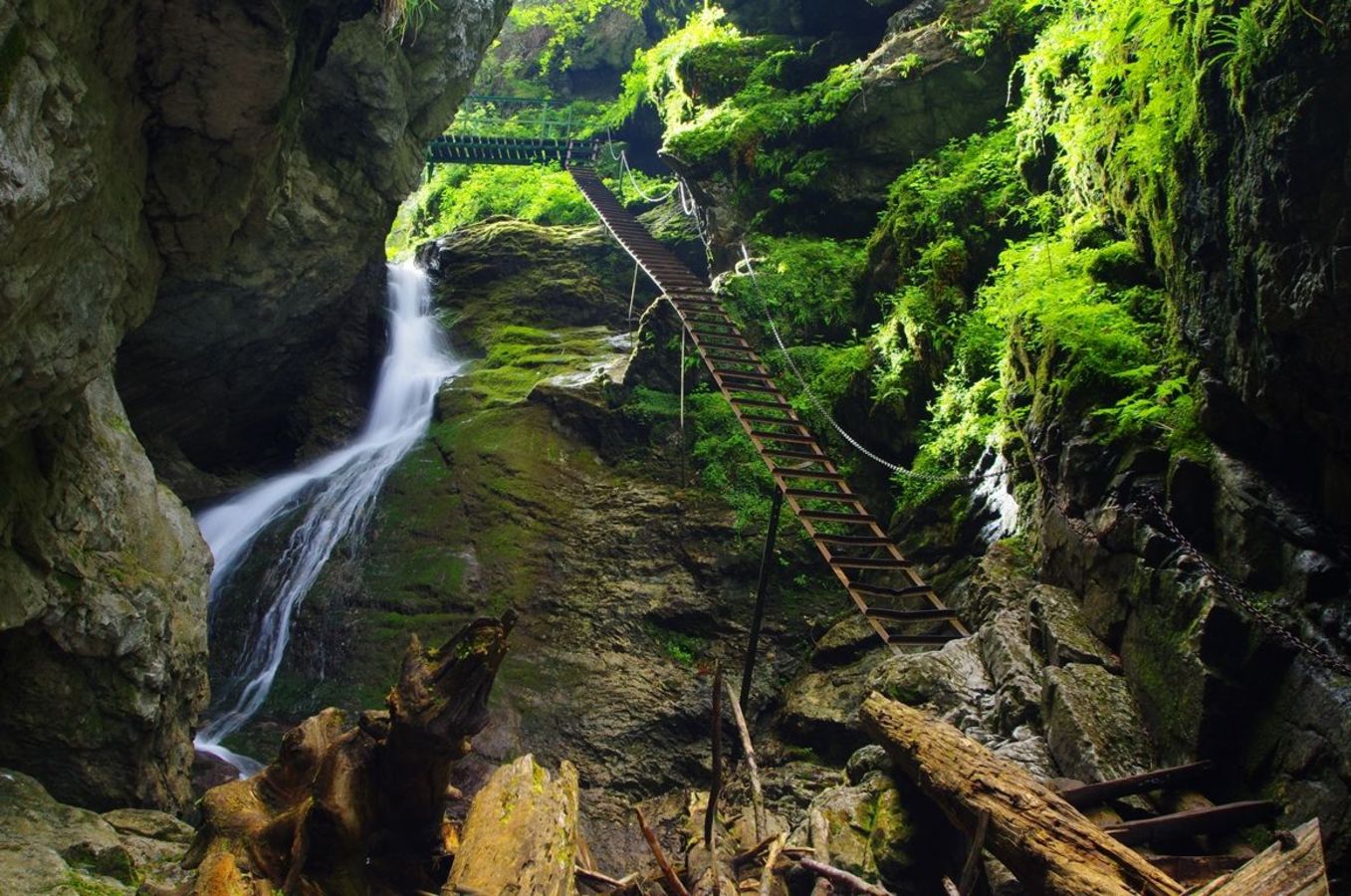
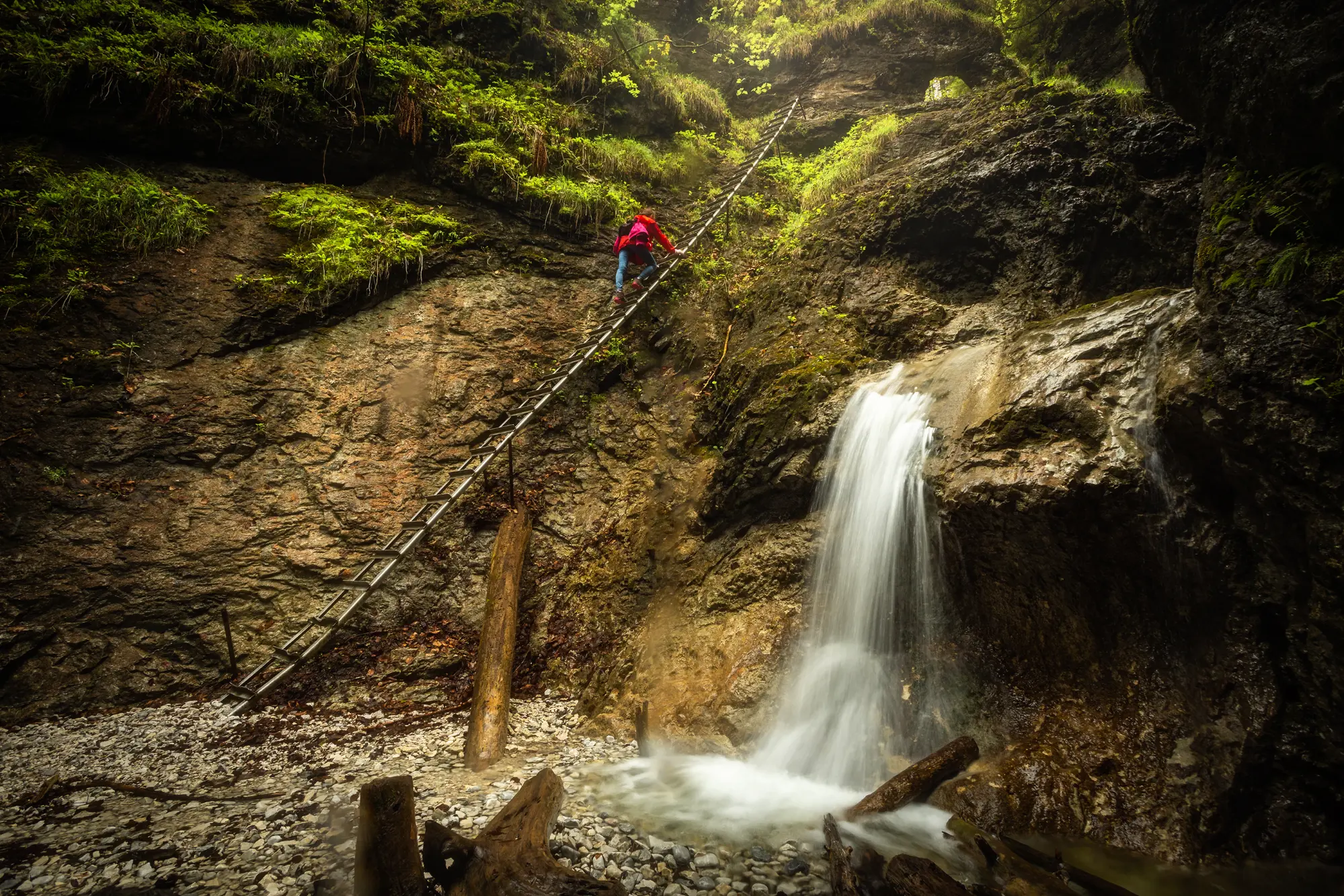
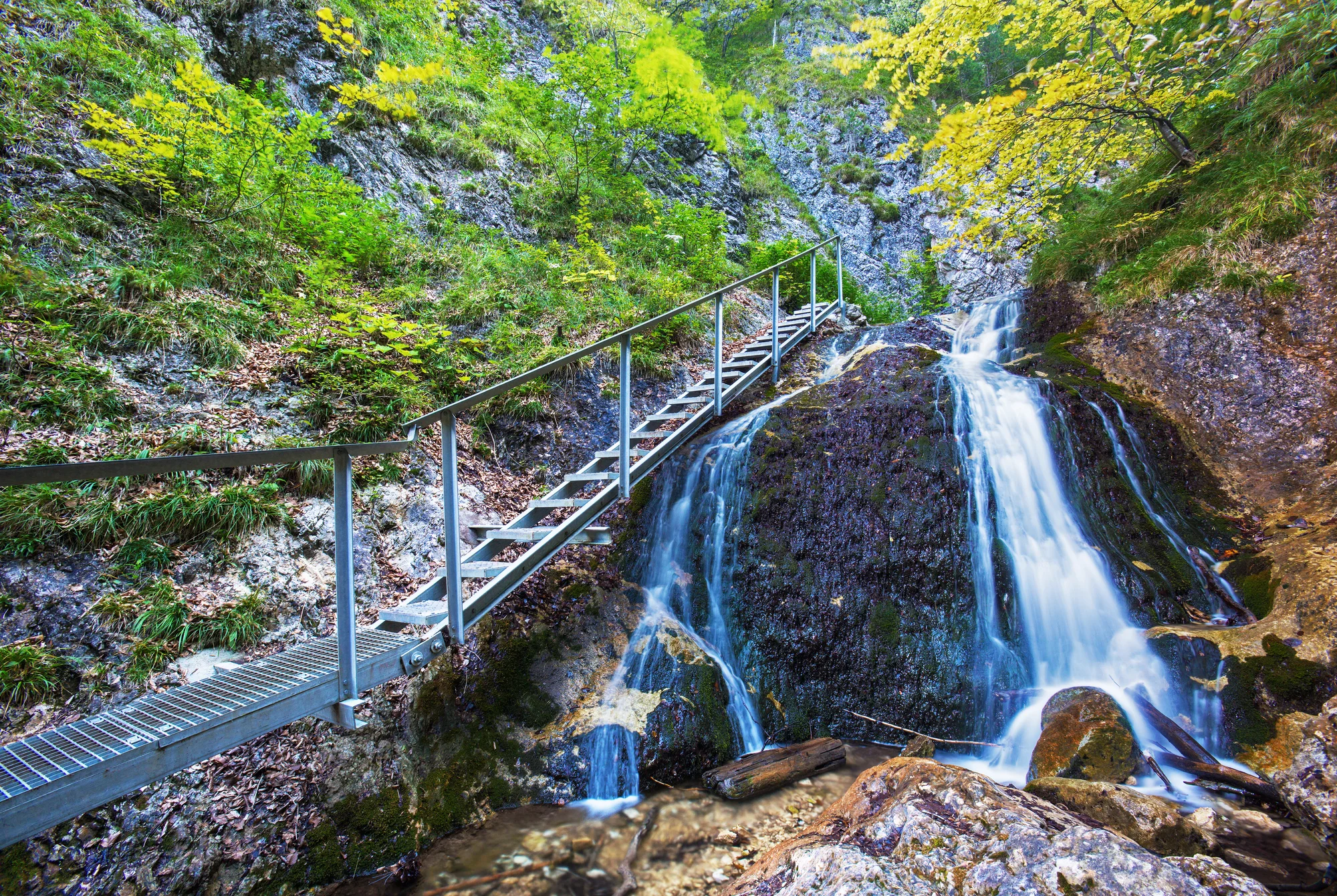
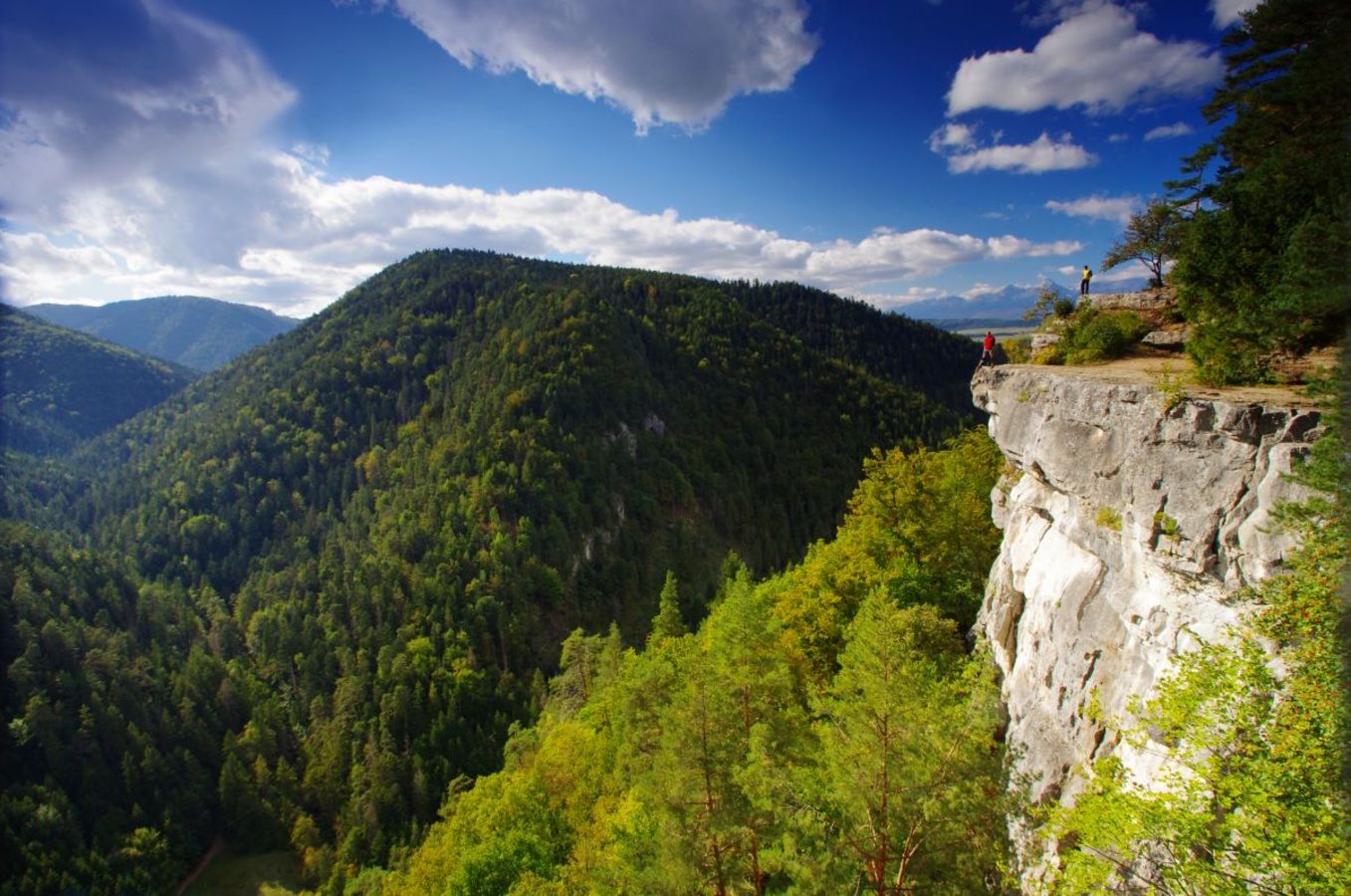
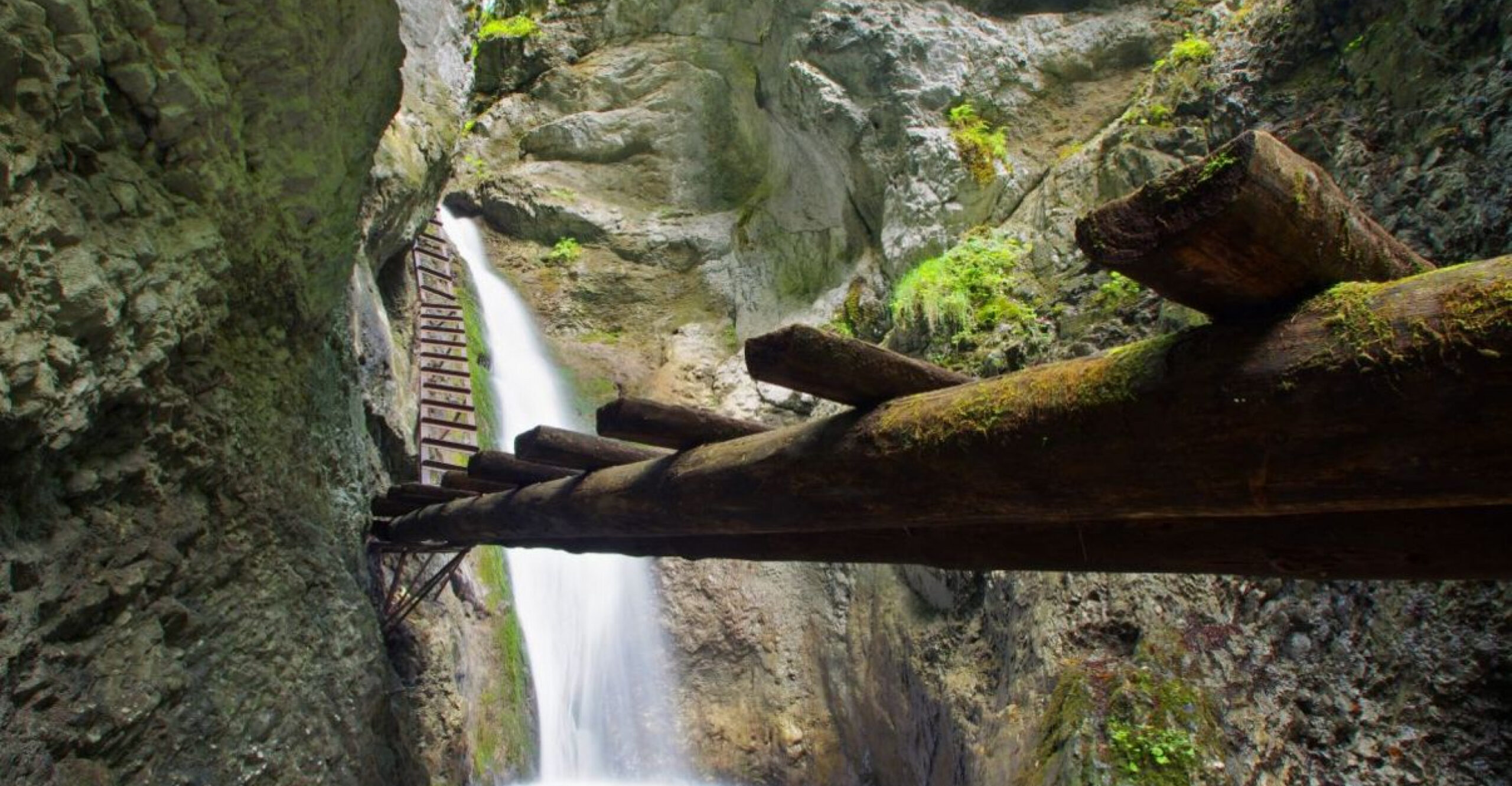
Slovenský raj is one of the most beautiful and most visited natural areas in Slovakia. The national park consists of vast forests, highland plateaus, deep canyons, and narrow gorges with waterfalls. The more challenging sections of the hiking trails are made accessible by metal ladders, steps, bridges, and chains, which turn a walk through the landscape into an unforgettable experience.
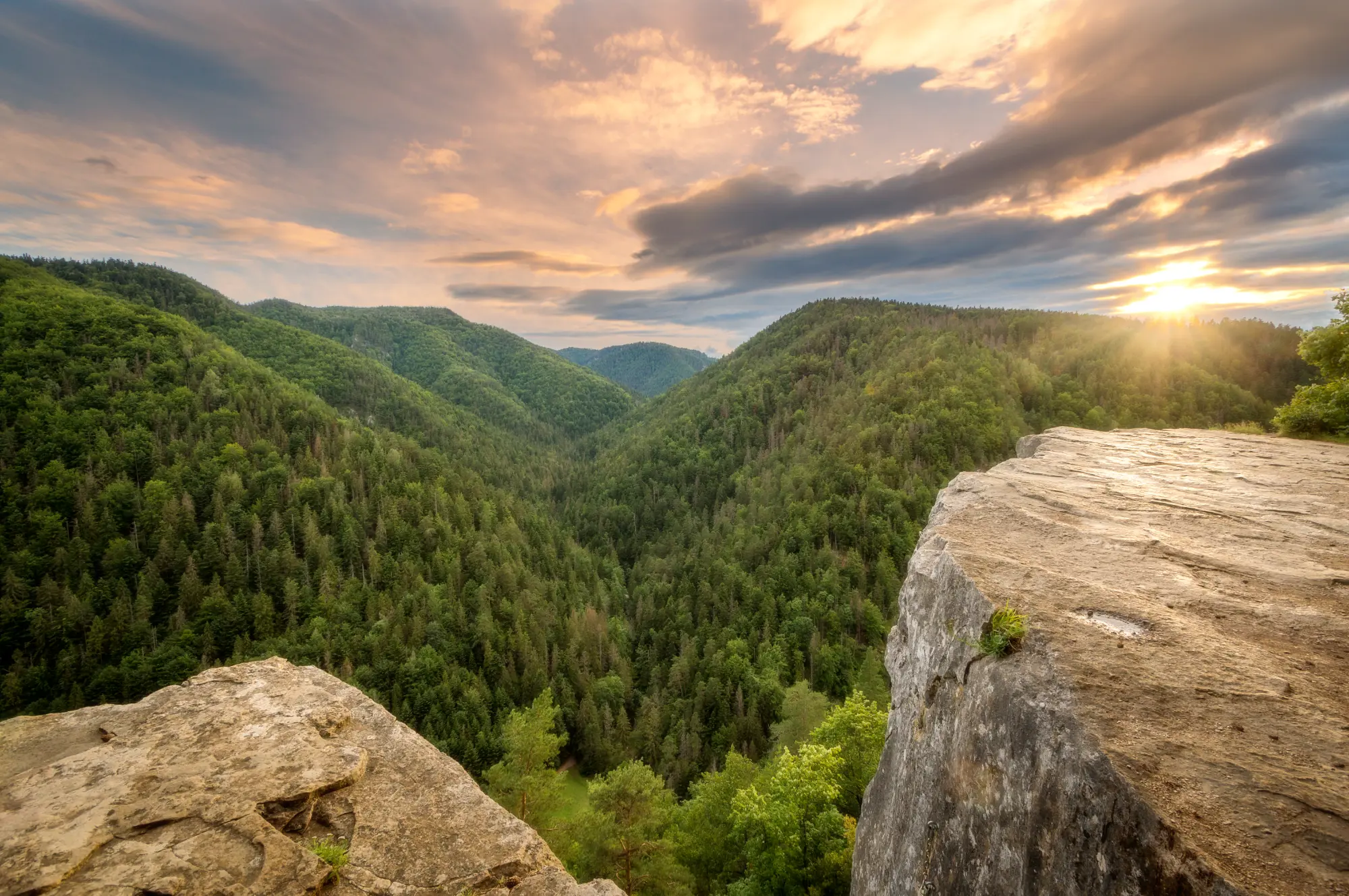
Among the most famous sites are Suchá Belá, the Hornád Gorge, Piecky, Veľký Sokol, Kláštorská Gorge, the HZS Kyseľ Via Ferrata, Tomášovský Viewpoint, and Kláštorisko. The main starting points are Podlesok, Čingov, Dedinky, and Píla–Piecky, from where you can set out on shorter walks or full-day hiking loops.

What We Offer

What do you need to know before you arrive?
Please read this before your visit
Hiking trails are accessible year-round, but some gorges may be temporarily closed after heavy rain, strong winds, or flash floods. Before setting out on a hike, always check the latest warnings, trail conditions, and the accessibility of your chosen gorge on the official website of Slovak Paradise or the Mountain Rescue Service.
Hiking through the gorges requires good physical condition, sturdy footwear, and a sure footing on ladders and steps. The gorges are one-way and are hiked from the bottom up, so it is not possible to return the same way. On the HZS Kyseľ via ferrata, a via ferrata set including a helmet is required; you can rent one at tourist centers.
An admission fee is charged for the use of technical equipment in the gorges. Adults pay €4 for a “Suchá Belá+” ticket, which is also valid for the other gorges, or €3 for admission to the other gorges excluding Suchá Belá. Children ages 6 to 15 and people over 65 receive a discounted admission fee; children under 6 are admitted free of charge. Parking lots in the main tourist centers are mostly paid.
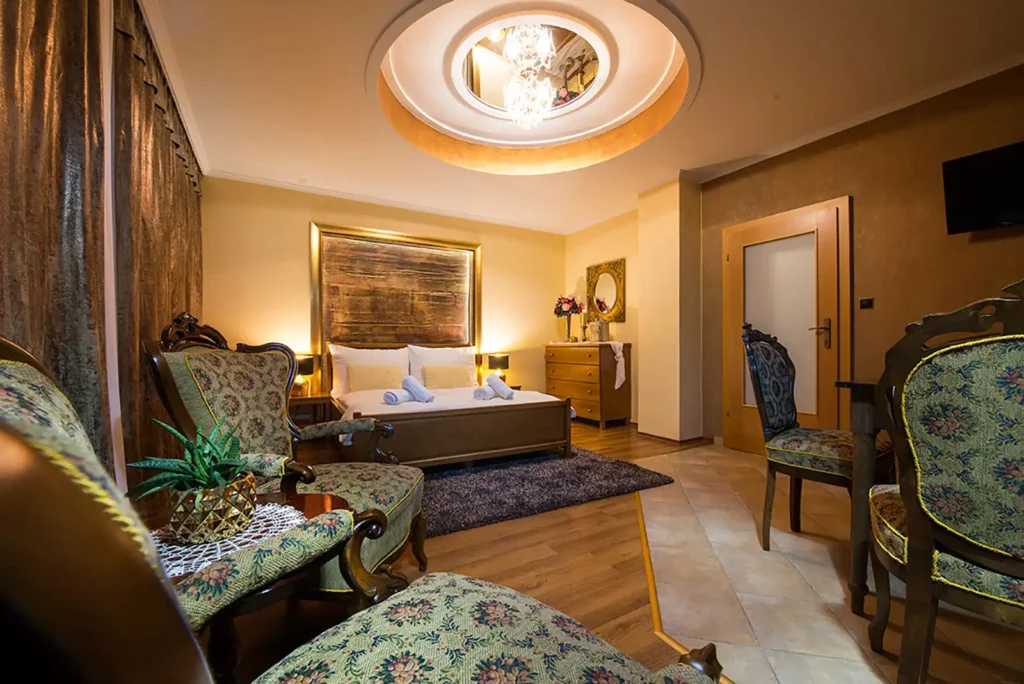
Where to Stay in the Area
Plan a comfortable stay—choose accommodations near this location and enjoy the region to the fullest without unnecessary travel.


Where to Eat in the Area
From traditional Tatra mountain huts to modern restaurants with mountain views—discover the local cuisine and plan where you’ll treat yourself to a well-deserved break with a good meal after your trip.



That's how it looks here. Take a look
Other Trips in the High Tatras Area
The area around the Tatra Mountains is home to even more places worth visiting—discover other destinations and plan an outing for each day of your stay in the region.


Must-See Places. Discover them one by one
Every corner of the High Tatras and the surrounding area has its own story. Discover the places that shape the character of the region
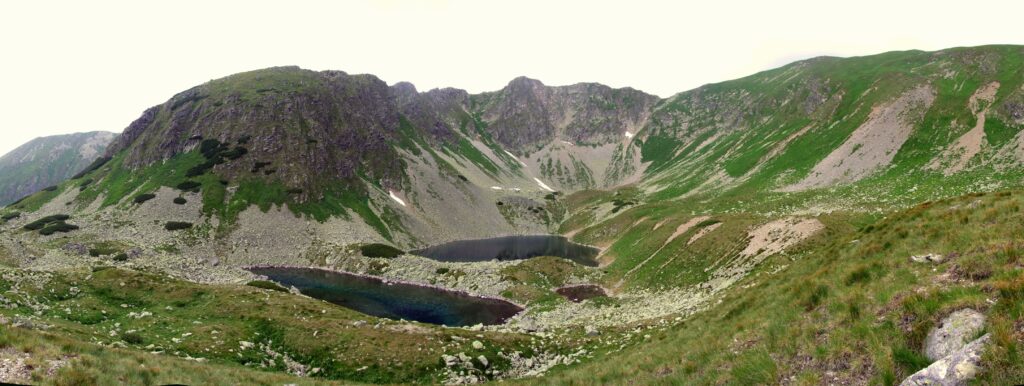



The Tatra Mountains wake up differently every day
Current conditions, upcoming events, and editorial recommendations. Everything you need to know before heading to the Tatras.

Webcams
Poprad
1°C
Clear

Lomnický štít
-13°C
Partly cloudy

Tatranská Lomnica
1°C
Clear
Starý Smokovec
1°C
Clear
Hrebienok
-1°C
Clear
Štrbské Pleso
-3°C
Mostly clear
Skalnaté pleso
-6°C
Mostly clear
Solisko
-8°C
Fog


Everything You Need to Know Before Your Trip
Answers to the most frequently asked questions about the High Tatras region.