Spišská Kapitula
A fortified ecclesiastical town full of spiritual and artistic treasures




The earliest mention of the provost of Spiš
The oldest dated mural in the Spiš region
Year of inscription on the UNESCO list
Spišská Kapitula is a place where the history of Spiš blends with a spiritual atmosphere
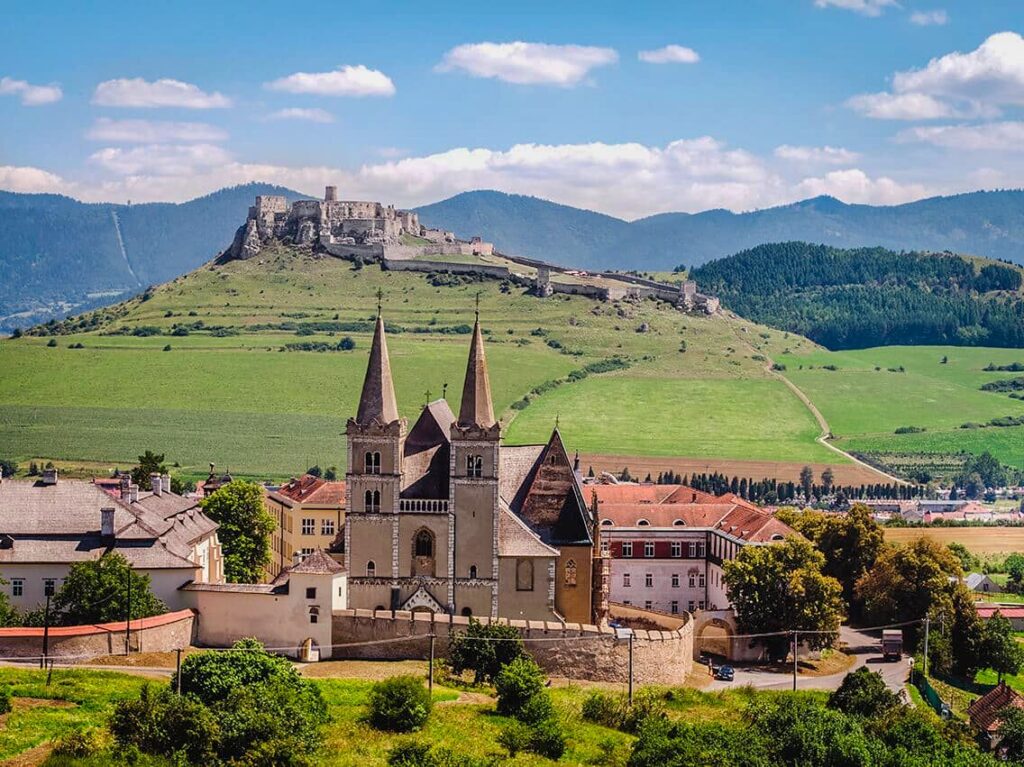
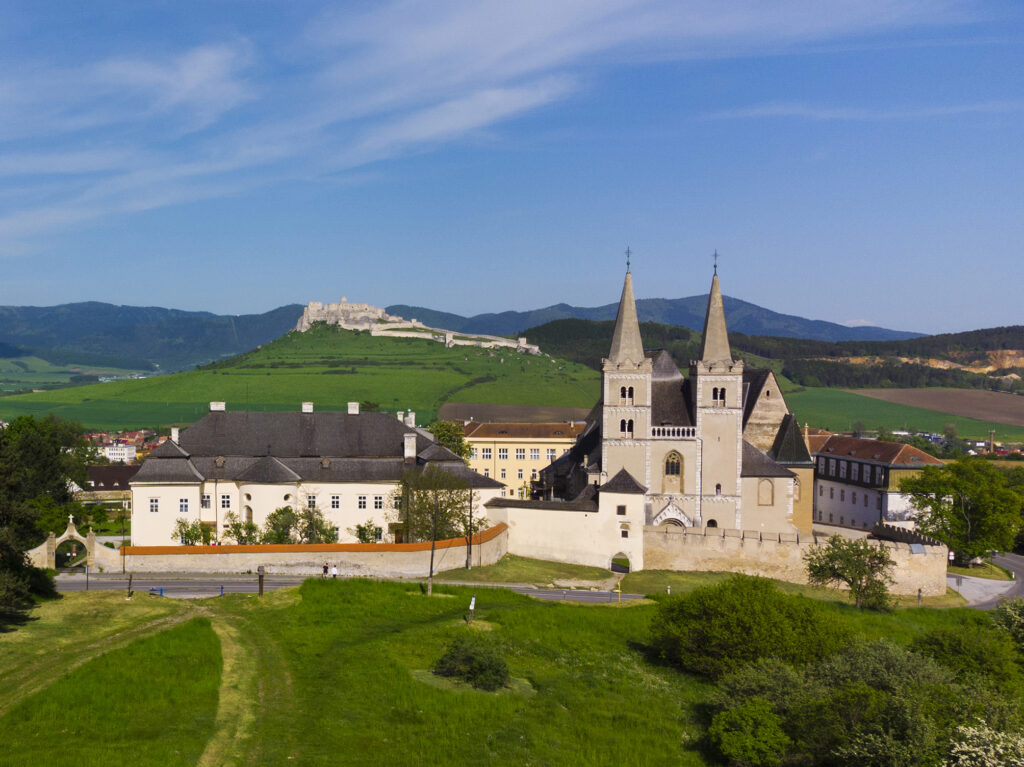
Spišská Kapitula is a unique fortified ecclesiastical town, sometimes referred to as the “Slovak Vatican.” Its history dates back to the late 12th century, and the oldest surviving mention of the provost of Spiš dates from 1209. Since 1776, it has been the seat of the Diocese of Spiš. The complex consists of St. Martin’s Cathedral, the bishop’s residence, canonical houses, a former Jesuit monastery, a seminary, and other ecclesiastical buildings.
The most significant building is the Romanesque-Gothic St. Martin’s Cathedral. It houses a unique Romanesque sculpture of the White Lion, a mural depicting the Coronation of Charles Robert from 1317, rare Gothic altars, and the Zápoľský Chapel. Since 1993, Spišská Kapitula, together with Spiš Castle, Spišské Podhradie, and Žehra, has been a UNESCO World Heritage Site.

What We Offer

What do you need to know before you arrive?
Please read this before your visit
The information center is open Monday through Sunday from 9:00 a.m. to 5:00 p.m., and tours of the cathedral begin every half hour. The basic self-guided tour takes about 20 minutes and costs €2.50 for adults. The extended tour with a guided commentary lasts approximately 45 minutes, includes the canonical library, the archaeological exhibition, and the royal chapel, and costs €4 for adults.
The museum’s permanent exhibition traces the history of the Spiš Provostry, the bishopric, and the Spiš Chapter itself. The collections include historical books, liturgical textiles, ecclesiastical objects, paintings, and episcopal regalia. Admission to the Diocesan Museum and the Shroud of Turin exhibition costs €10 for adults and €7 for children under 15, students, and seniors.
The Bishop’s Garden is a peaceful park surrounded by historic walls, dominated by the Clock Tower and a gazebo built on the site of a former castle bastion. From Spišská Kapitula, you can continue along the Spiš Jerusalem route through Pažica to the Chapel of the Holy Cross on Sivá Brada. This complex of 17th-century chapels, arranged almost on a 1:1 scale, resembles historic Jerusalem.
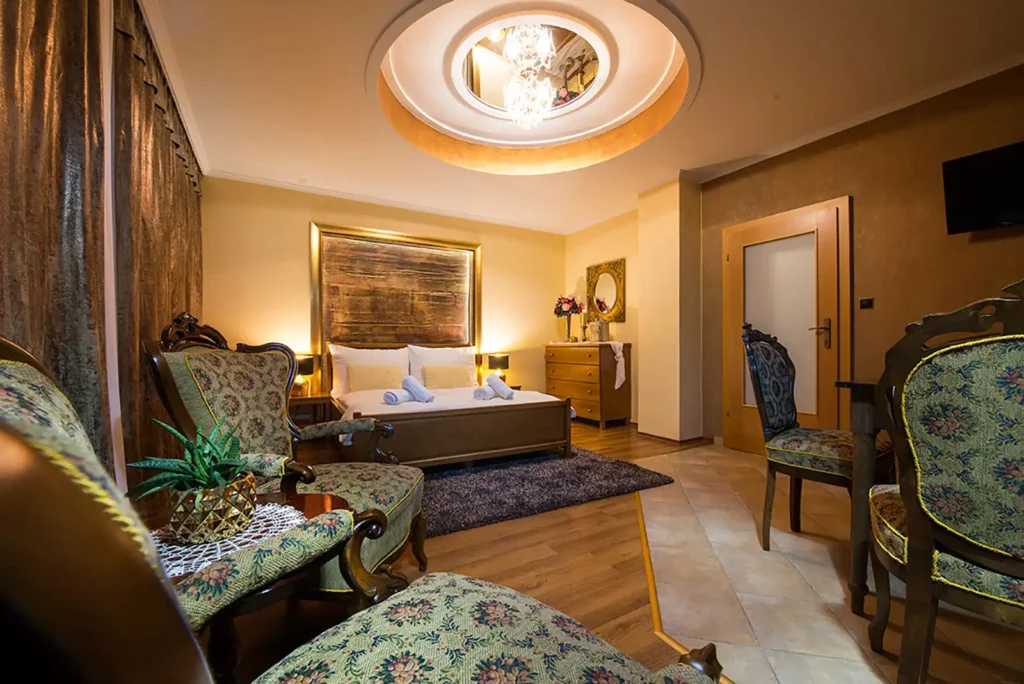
Where to Stay in the Area
Plan a comfortable stay—choose accommodations near this location and enjoy the region to the fullest without unnecessary travel.


Where to Eat in the Area
From traditional Tatra mountain huts to modern restaurants with mountain views—discover the local cuisine and plan where you’ll treat yourself to a well-deserved break with a good meal after your trip.



That's how it looks here. Take a look

Other Trips in the High Tatras Area
The area around the Tatra Mountains is home to even more places worth visiting—discover other destinations and plan an outing for each day of your stay in the region.


Must-See Places. Discover them one by one
Every corner of the High Tatras and the surrounding area has its own story. Discover the places that shape the character of the region.




The Tatra Mountains wake up differently every day
Current conditions, upcoming events, and editorial recommendations. Everything you need to know before heading to the Tatras.

Webcams
Poprad
2°C
Mostly clear

Lomnický štít
-13°C
Partly cloudy
Tatranská Lomnica
2°C
Mostly clear
Starý Smokovec
1°C
Mostly clear
Hrebienok
-1°C
Mostly clear
Štrbské Pleso
-3°C
Partly cloudy
Skalnaté pleso
-6°C
Mostly clear
Solisko
-7°C
Fog


Everything You Need to Know Before Your Trip
Answers to the most frequently asked questions about the High Tatras region.