Stará Ľubovňa
The History of the Nobility, the Townspeople, and the Countryside in Northern Spiš



The first written mention of the town
The Beginnings of the Spiš Reserve
The Period During Which the Polish Crown Jewels Were Hidden
Stará Ľubovňa is a place where you can learn about the lives of the nobility, townspeople, and rural residents
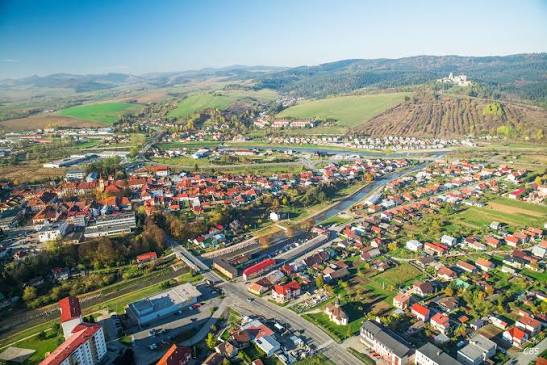
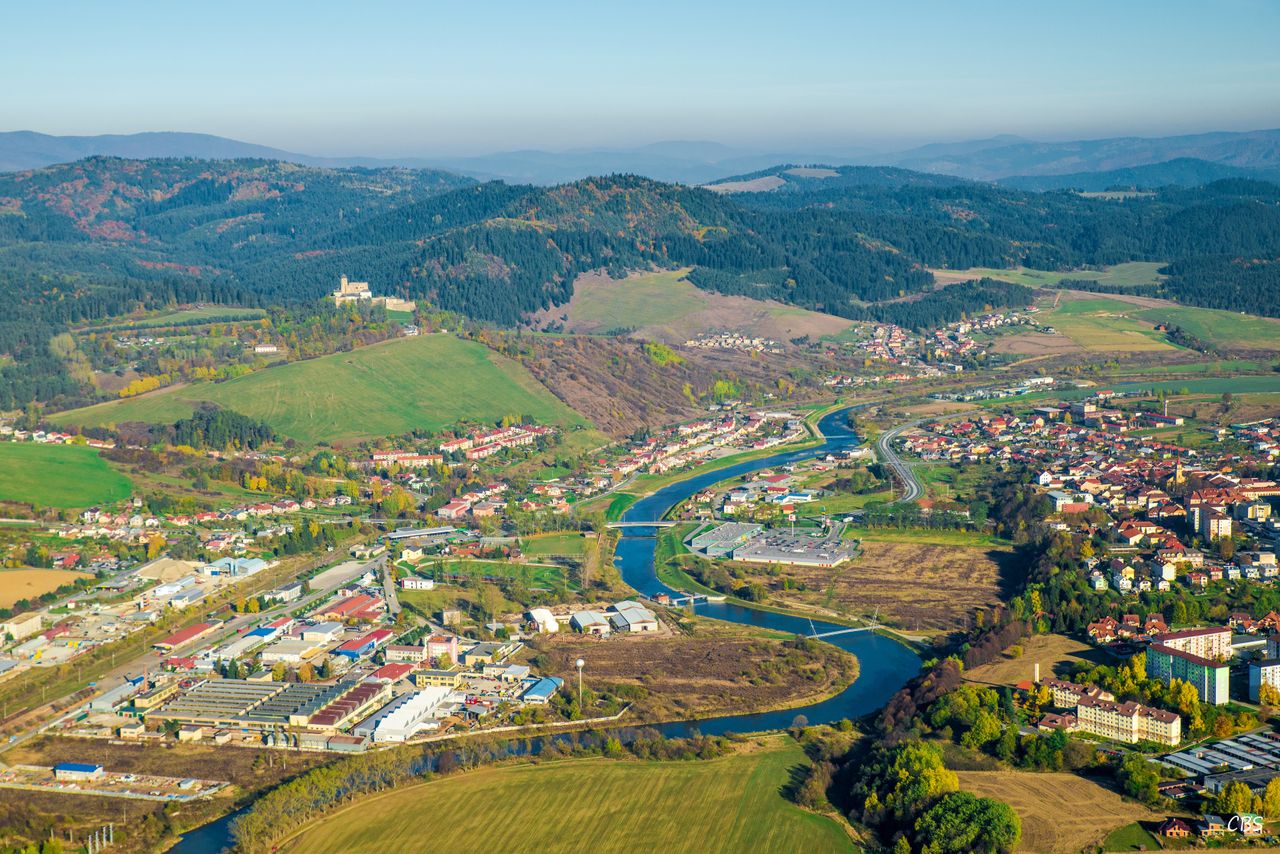
Stará Ľubovňa lies in the Poprad River valley and is one of the most important historic towns in northern Spiš. The first written mention of the town dates back to 1292, and in 1364, King Louis I elevated it to the status of a royal town. The historic center consists of St. Nicholas Square with its townhouses, St. Nicholas Church, and the Provincial House, which served as the seat of the administrator of the pledged towns of Spiš.
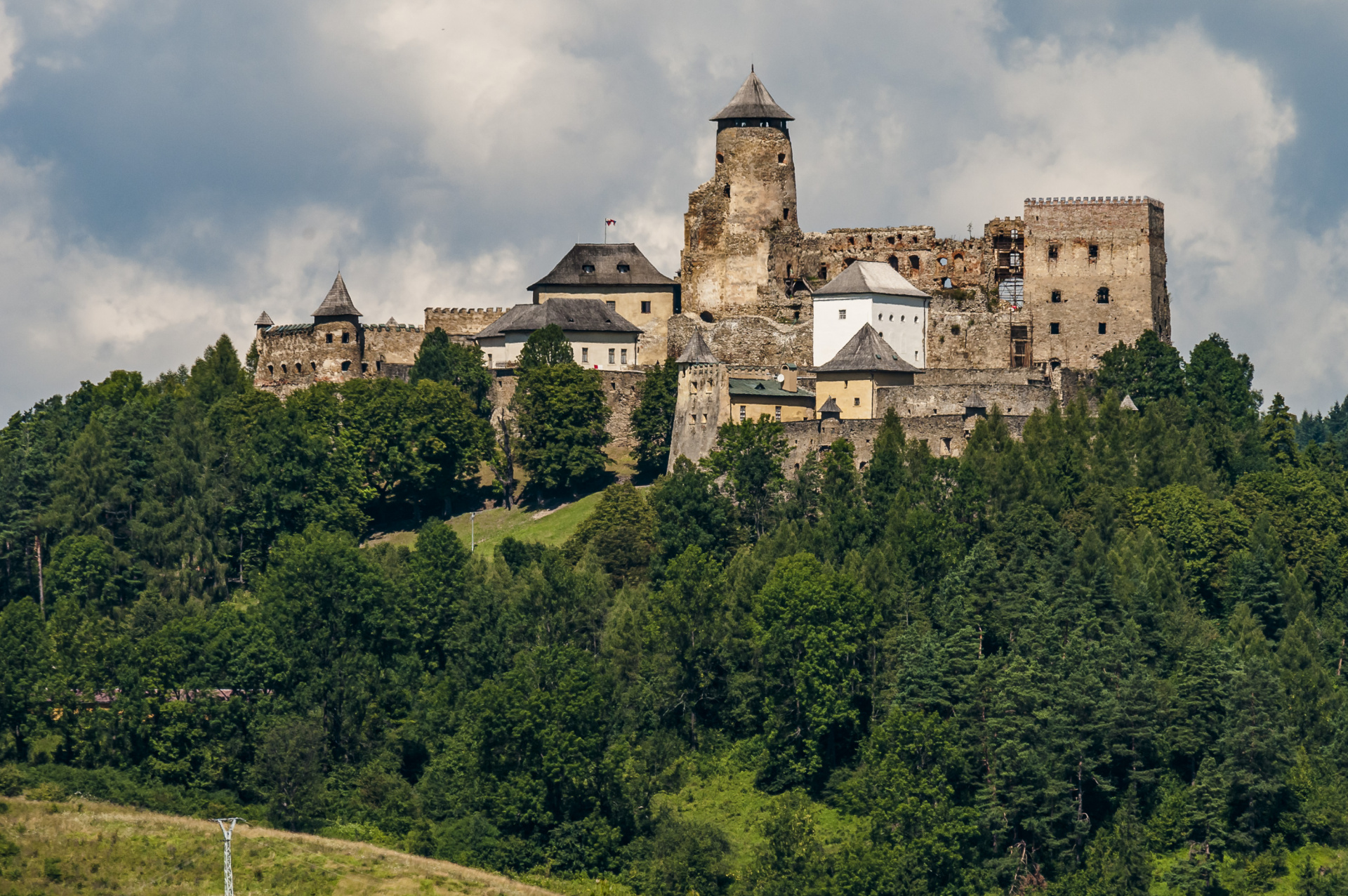
The town’s most striking landmark is Ľubovňa Castle, built at the turn of the 13th and 14th centuries. In the past, it guarded the trade route to Poland and administered the pledged part of the Spiš region. Between 1655 and 1661, the Polish crown jewels were hidden within its walls, and among its most famous prisoners was the adventurer Móric Beňovský. Below the castle is an open-air museum depicting the traditional way of life of the inhabitants of Spiš and Šariš.

What We Offer

What do you need to know before you arrive?
Please read this before your visit
From May through September 15, the castle and the open-air museum are open daily from 9:00 a.m. to 7:00 p.m.; last admission is at 6:00 p.m. From September 16 through 30, they are open from 9:00 a.m. to 6:00 p.m. A combined admission ticket to both sites costs €13 for adults, €9 for college students and seniors, and €6 for children ages 6 to 19. A family ticket costs €24.
The exhibition is housed in a historic 17th-century building and offers a glimpse into the housing, crafts, and daily life of the townspeople of Ľubovňa. You’ll see a furnished 19th-century apartment, an original black kitchen, medieval cellars, and a blueprint exhibition. From July through September 15, it is open Monday through Saturday from 9:00 a.m. to 5:00 p.m. Guided tours begin every hour on the hour starting at 10:00 a.m.
Parking in designated spots in the city center is subject to a fee Monday through Friday from 7:00 a.m. to 4:00 p.m. Parking is free on non-working days and national holidays, with the exception of the Ľubovniansky Fair and other occasional markets. The historic center is compact and best explored on foot.
Where to Stay in the Area
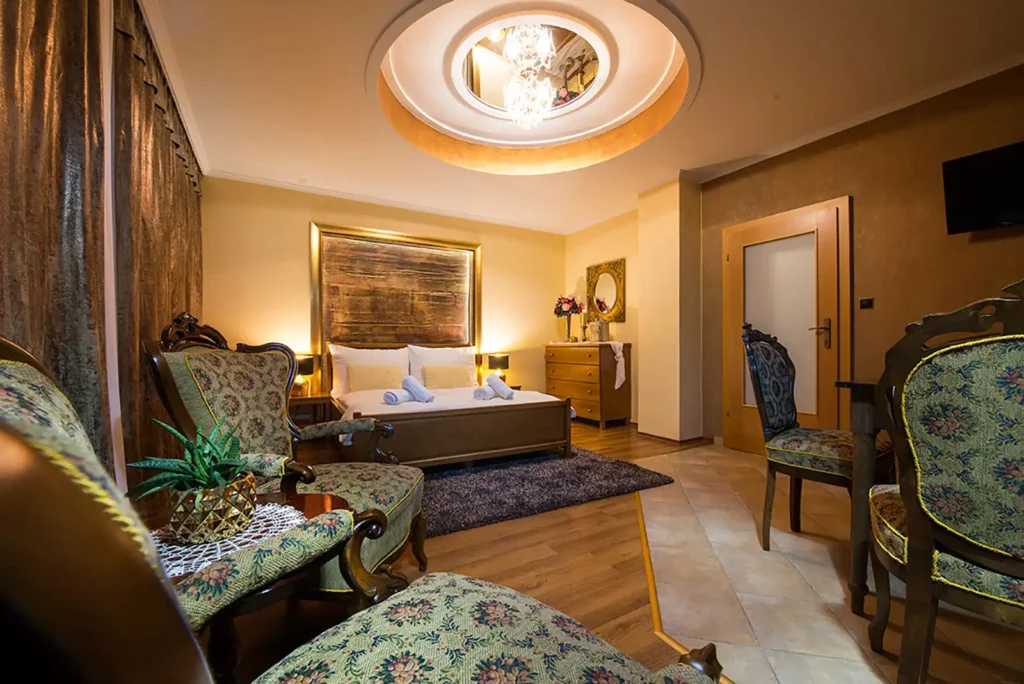
Plan a comfortable stay—choose accommodations near this location and enjoy the region to the fullest without unnecessary travel.



Where to Eat in the Area
From traditional Tatra mountain huts to modern restaurants with mountain views—discover the local cuisine and plan where you’ll treat yourself to a well-deserved break with a good meal after your trip.



That's how it looks here. Take a look


Other Trips in the High Tatras Area
The area around the Tatra Mountains is home to even more places worth visiting—discover other destinations and plan an outing for each day of your stay in the region.


Must-See Places. Discover them one by one
Every corner of the High Tatras and the surrounding area has its own story. Discover the places that shape the character of the region.




The Tatra Mountains wake up differently every day
Current conditions, upcoming events, and editorial recommendations. Everything you need to know before heading to the Tatras.

Webcams
Poprad
6°C
Clear

Lomnický štít
-4°C
Mostly clear

Tatranská Lomnica
4°C
Partly cloudy
Starý Smokovec
3°C
Clear
Hrebienok
2°C
Clear
Štrbské Pleso
3°C
Mostly clear
Skalnaté pleso
1°C
Clear
Solisko
-1°C
Overcast


Everything You Need to Know Before Your Trip
Answers to the most frequently asked questions about the High Tatras region.