The area of the world's smallest high mountain range
The High Tatras and the Foothills
The foothills of the highest mountain range in the Carpathians
The High Tatras are the only mountain range in Slovakia with an Alpine character and, at the same time, the highest mountain range in the entire Carpathians. Their ridges and valleys create a dramatic landscape
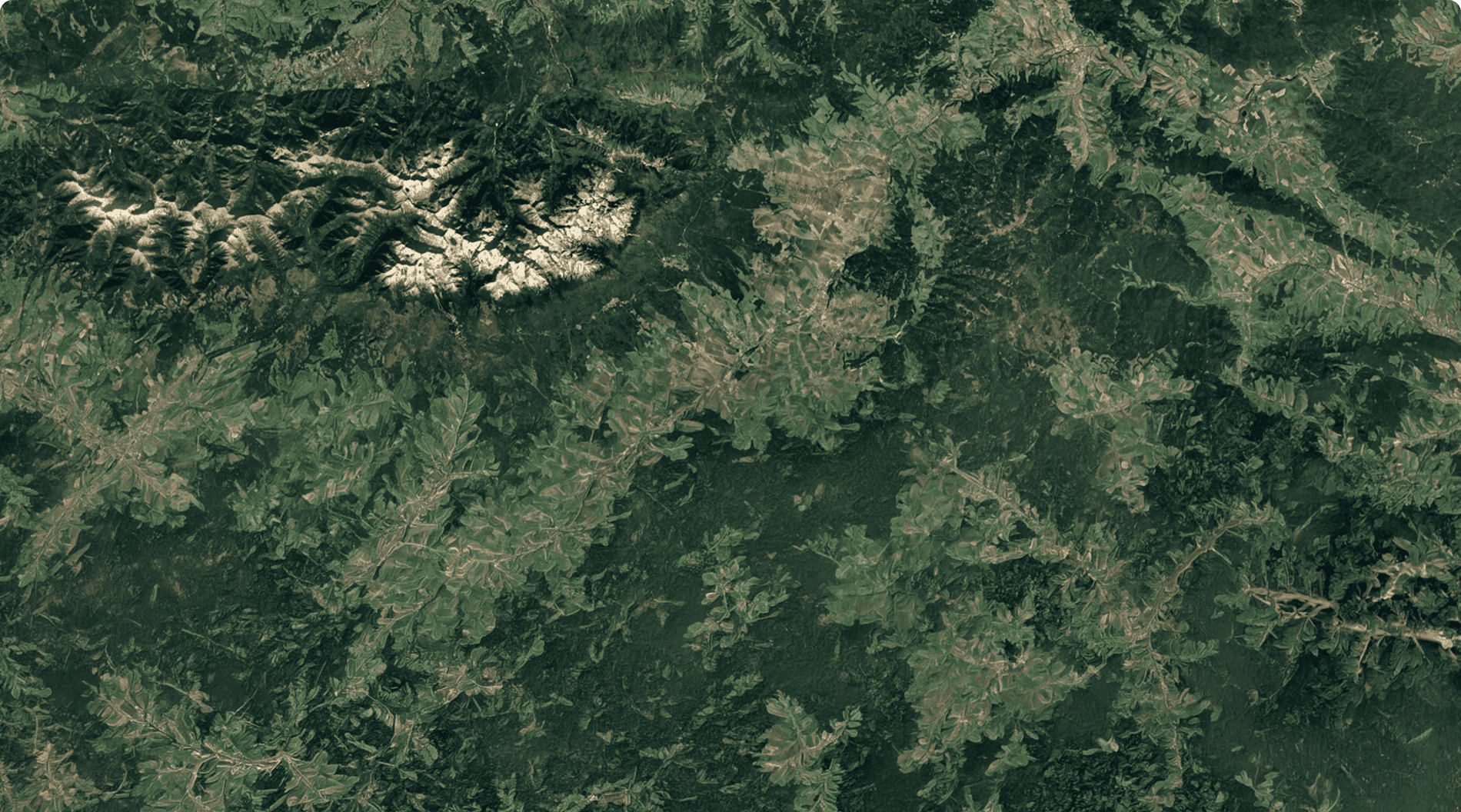
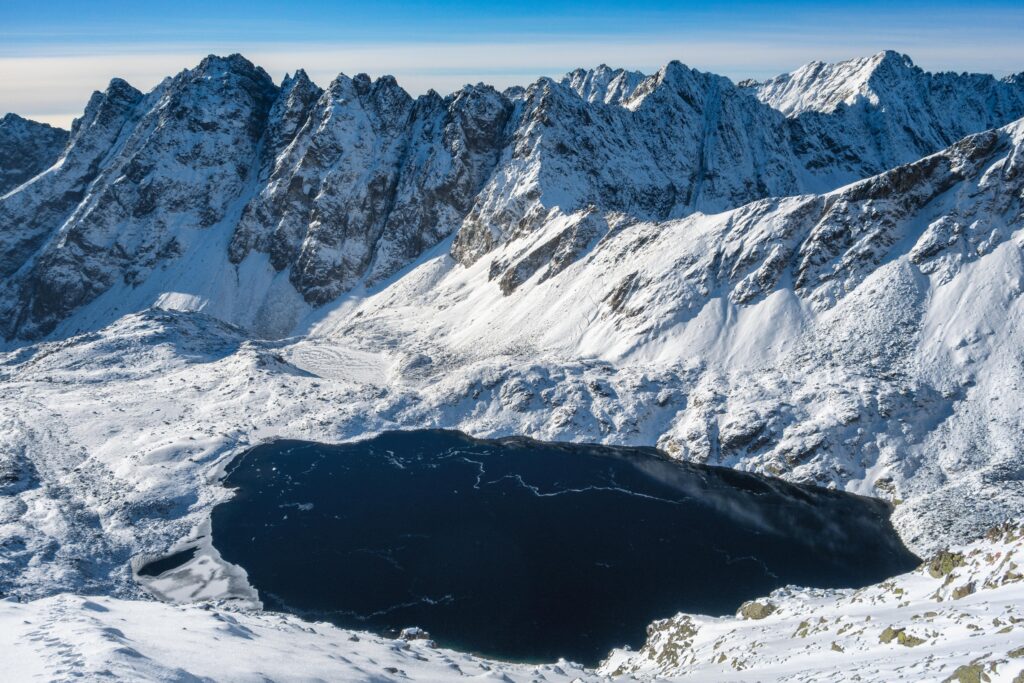
Covering an area of 341 km², this region boasts a landscape unlike any other in Central Europe—steep, rocky peaks, 32 Tatra valleys, dozens of waterfalls, and over 100 glacial lakes that formed thousands of years ago.
The foothills of the High Tatras provide a natural contrast to the wilderness of the mountains—the green meadows of the Podtatranská Basin, historic settlements, and small towns with rich architecture and traditions that are still alive today. It is precisely this combination of wild mountain scenery and cultured foothills that makes the region a destination offering something for everyone.
The Tatra valleys within the mountain range
Gerlachovský štít, the highest peak in the Carpathians
Length of the Main Tatra Ridge
The Tatra Mountains from west to east. Each part of the region has its own spirit
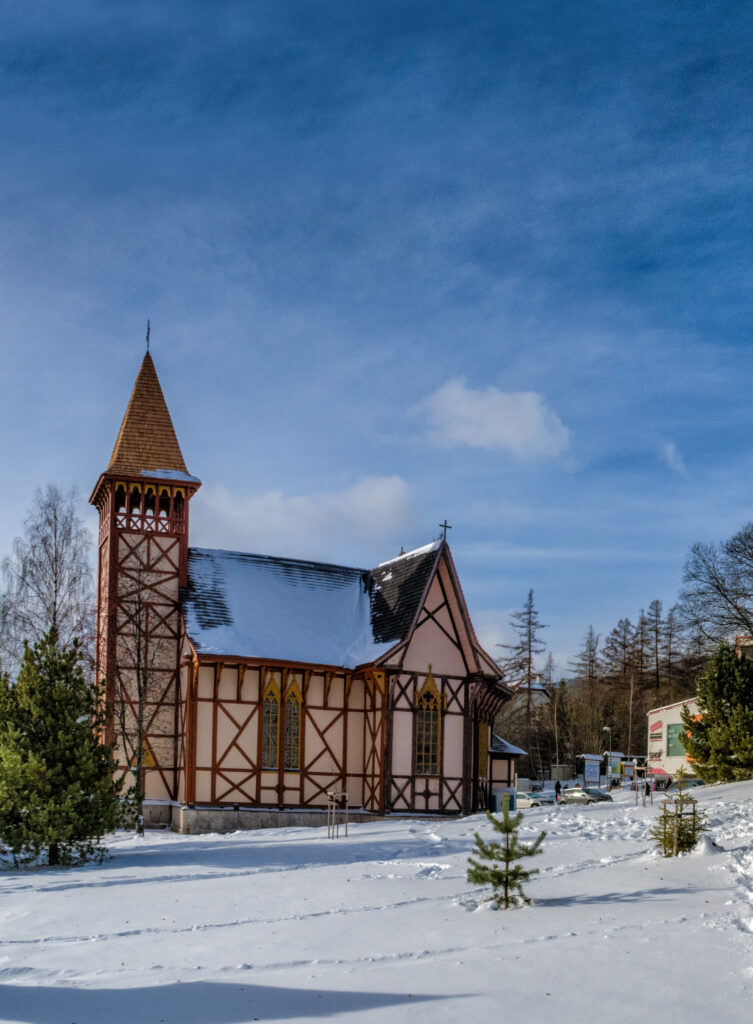
A mosaic of diverse locations, each with its own character and atmosphere. Štrbské Pleso attracts visitors with its views of the lake and access to the most beautiful valleys; Starý Smokovec is the historic heart of the Tatra settlements



Plan your stay down to the last detail
Accommodations are just the beginning—discover all that the region has to offer and start planning a trip you’ll remember long after you return home.



Must-See Places. Discover them one by one
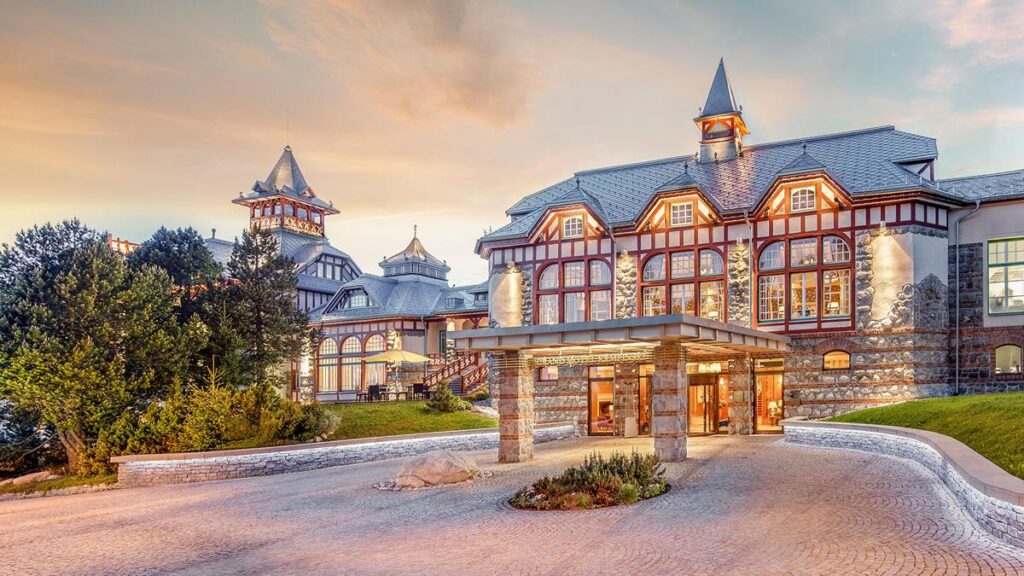
Every corner of the High Tatras has its own story. Discover the places that shape the character of the region.




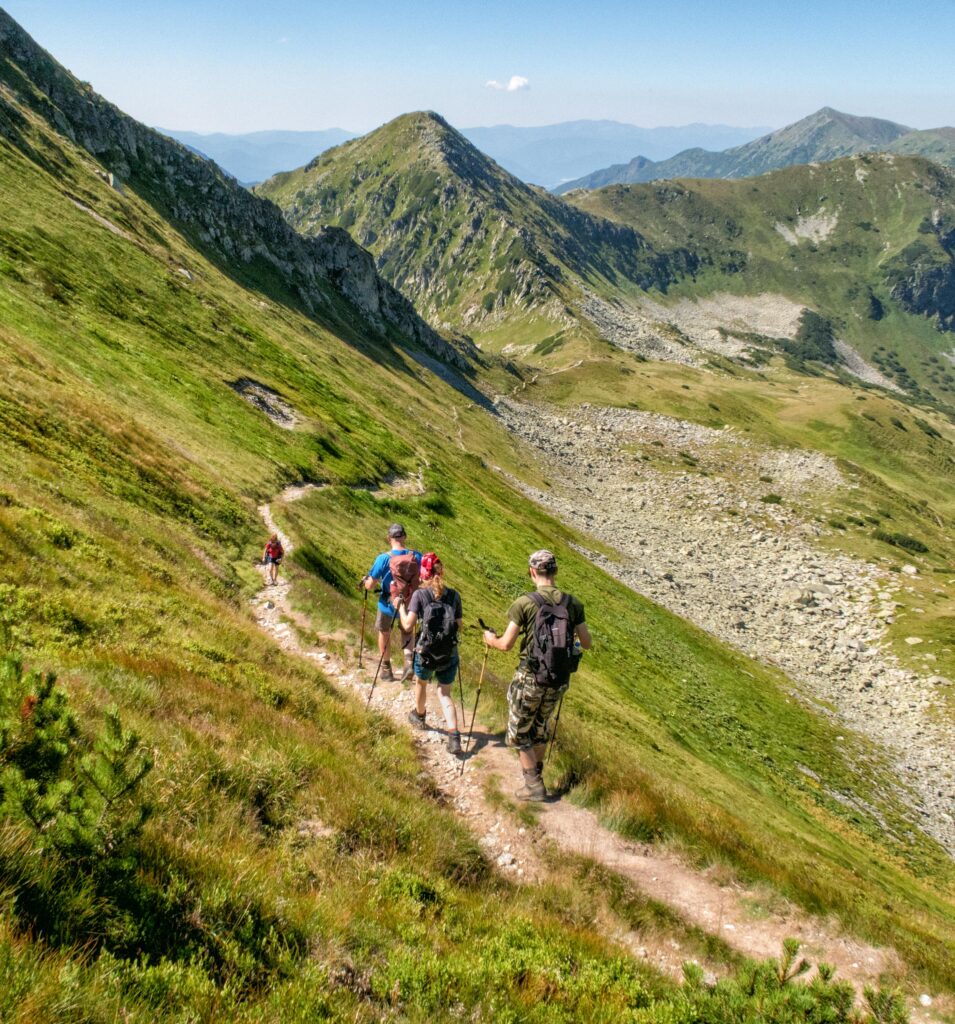
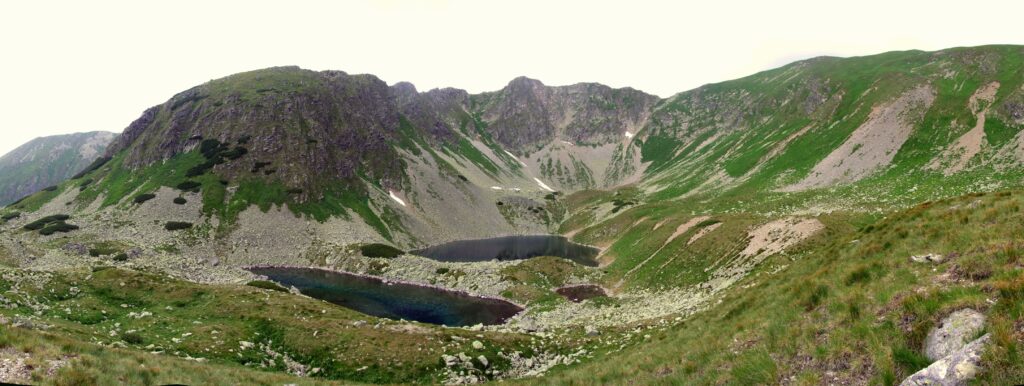

The Tatra Mountains wake up differently every day
Current conditions, upcoming events, and editorial recommendations. Everything you need to know before heading to the Tatras.

Webcams
Poprad
-5°C
Clear

Lomnický štít
-18°C
Snow

Tatranská Lomnica
-5°C
Mostly clear

Starý Smokovec
-6°C
Mostly clear
Hrebienok
-7°C
Mostly clear
Štrbské Pleso
-8°C
Overcast

Skalnaté pleso
-12°C
Drizzle

Solisko
-13°C
Snow
Most sidewalks are open


The chairlifts are in operation

The bike trails are open


Everything You Need to Know Before Your Trip
Answers to the most frequently asked questions about the High Tatras region.
The High Tatras have something to offer all year round. The best time for high-altitude hiking is from June to October, when the hiking trails at higher elevations are open. Fall brings more stable weather, pleasant temperatures, and beautiful views. Winter is ideal for skiing, winter walks, and visiting locations that are accessible year-round. Before setting out on a trip, always check the current weather conditions and any trail closures.
You do not need a special permit for regular hiking on marked trails. However, you must comply with TANAP’s visitor regulations and seasonal closures, and you may only hike on open trails. Special rules apply, for example, to rock climbing, ski mountaineering, hiking off marked trails, or bringing a dog into the park.
You can easily reach the main Tatra resorts by train. The Tatra Electric Railways connect Poprad, Starý Smokovec, Štrbské Pleso, and Tatranská Lomnica. A cog railway runs from Štrba to Štrbské Pleso. You can also take advantage of regular bus routes and seasonal shuttle services in the region.
You can park in designated parking lots in the various Tatra villages. During peak periods, we recommend using the P+R park-and-ride lot at Eurocamp in Tatranská Lomnica and continuing by shuttle bus. From this parking lot, you can take public transportation to destinations such as Tatranská Lomnica, Tatranské Matliare, Biela Voda, or the Belianska Cave.
For hiking, choose sturdy hiking boots with non-slip soles that stabilize your feet and protect them on rocky or wet terrain. Your gear should also include weather-appropriate clothing and a rain jacket. Sandals and regular city shoes are not suitable for more demanding hikes.
When a storm is approaching, leave peaks, ridges, saddles, mountain passes, and open areas as soon as possible. Descend to lower elevations, avoid standing near isolated trees or metal objects, and keep your distance from other members of your group. If possible, take shelter in a mountain hut or a safe building. The best prevention is to check the weather forecast, set out early in the morning, and shorten or cancel your hike in a timely manner if conditions take a turn for the worse. Safety must take precedence over reaching your destination.