The first written document regarding the High Tatras region
History of the Region
From the First Neanderthals to the Golden Age of Tourism in the Tatras
The history of tourism in the region officially began in 1565, when the lady of Kežmarok Castle, together with the townspeople, took the first trip to the High Tatras
But the region’s history goes back much further—the earliest settlement of the High Tatras dates back to prehistoric times, when bear and elk hunters began their first forays into the wild Tatra wilderness.
Over the centuries, the region changed hands, cultures, and character. The first surviving written document regarding the High Tatras is a deed of gift from 1209, in which Hungarian King Andrew II granted ownership rights to the territory of the High Tatras to his courtiers. The rapid development of the Tatras did not begin until 1871, when a railroad connected them to the outside world—the first villas, cottages, guesthouses, and hotels began to appear, and within about two decades, 15 settlements had sprung up in the Tatras.
The year Starý Smokovec was founded as the oldest settlement in the Tatra Mountains
The year the railroad connected the Tatra Mountains to the world and ushered in the era of tourism
The year TANAP was established as Slovakia's oldest national park
The Centuries That Shaped the Tatra Mountains. All the Way to Modern Tourism
Every era has left its mark on the region. Explore the key moments in the history of the High Tatras that have shaped them into what they are today.
First written mention
In the oldest known deed of donation, dated 1209, Adolf, the provost of Spiš, and his sister received a gift from King Andrew II of Hungary consisting of extensive estates in the Spiš region, including both Studené valleys, the Skalnatá Valley, and the adjacent mountains, including Lomnický štít.
This document is the first surviving written record to mention the territory of the High Tatras. The original has not survived—a certified copy is kept in the Hungarian Central Archives in Budapest.

The Founding of Starý Smokovec
In 1793, Štefan Csáky had small log cabins built near the famous Smokovec mineral spring. These laid the foundation for Starý Smokovec—the first spa town and, at the same time, the oldest settlement in the Tatra Mountains.
Its establishment marked the beginning of the development of permanent spa and tourist resorts on the southern side of the High Tatras. The original facilities near the mineral spring gradually evolved into one of the main centers of tourism in the Tatras.

The railroad opened the Tatra Mountains to the world
On December 8, 1871, the first official train on the newly opened section of the Košice–Bohumín Railway between Žilina and Poprad pulled into the Poprad-Veľká station. Four days later, the line from Poprad to Spišská Nová Ves also began operating.
The railroad greatly simplified access to the region beneath the Tatra Mountains and became one of the main drivers of tourism development. More visitors began arriving in the Tatras, and hotels, guesthouses, villas, and new transportation links leading directly to the Tatra settlements gradually increased.

The Establishment of the Tatra National Park
On January 1, 1949, Act No. 11/1949 Coll. of the Slovak National Council came into effect, establishing the Tatra National Park. TANAP thus became the first and oldest national park in Slovakia.
With its establishment, the unique natural environment of the Tatra Mountains gained special legal protection. The mission of the national park became the preservation of alpine ecosystems, rare plants and animals, as well as the regulation of human activity and visitor traffic within its boundaries.

Reorganization of the TANAP Administration
On January 1, 1996, the TANAP Administration was reestablished by a decision of the Minister of the Environment. It became part of the newly created National Parks Administration of the Slovak Republic, which at that time coordinated the activities of five Slovak national parks.
The individual national park administrations remained independent executive territorial units. One of the first tasks of the new organization was to reestablish the specialized TANAP Administration in Tatranská Lomnica and ensure the independent implementation of state nature conservation within the national park.

Queen Elizabeth II's Visit
On October 24, 2008, Queen Elizabeth II of the United Kingdom and Prince Philip, Duke of Edinburgh, visited the High Tatras. From Starý Smokovec, they took the ground cable car up to Hrebienok, where they met with mountain guides, porters, rescue workers, foresters, and other representatives of Tatra life.
At Hrebienok, the Queen ceremonially opened a barrier-free hiking trail, which has since borne her name. The trail leading to Rainerova Chata has become a lasting reminder of this exceptional royal visit.

High-Mountain Porters as Cultural Heritage
In 2018, high-mountain porters were inscribed on the Representative List of the Intangible Cultural Heritage of Slovakia. The inscription recognized a tradition that has been preserved in its original form and function in Slovakia, particularly in the High Tatras.
This heritage includes knowledge of basket-making, the proper packing and carrying of loads, navigating challenging terrain, and supplying mountain huts during both summer and winter. High-altitude porters represent a unique and eco-friendly form of transportation with significant cultural and historical value.
Approval of the TANAP Zoning Plan
On July 1, 2026, the Government of the Slovak Republic approved the zoning plan for the Tatra National Park. The total area of the national park was adjusted from 74,292 to 74,606 hectares, and its territory was divided according to different management regimes and levels of protection.
The zoning plan established a new framework for the protection of the most valuable natural sites, the management of rare habitats, and rules governing the use of individual parts of the national park. At the same time, it defined areas where sustainable tourism can be developed while respecting the protection of the Tatra’s natural environment.

Notable figures who, through their lives, works, or courage, have forever changed the face of the High Tatras

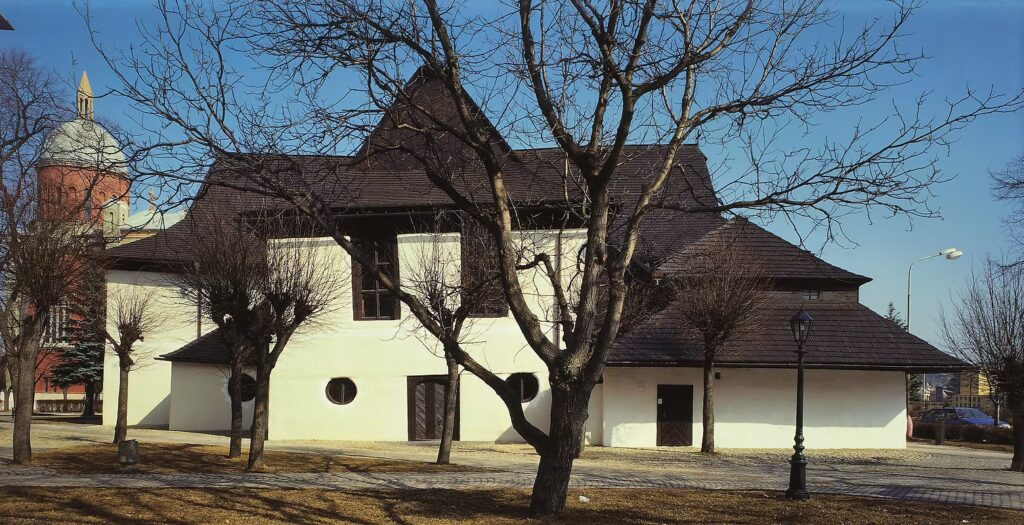
Discover the region's cultural heritage
The history of the High Tatras lives on not only in archives and books—you’ll find it in museums, galleries, churches, and cultural landmarks that the region has preserved for future generations.


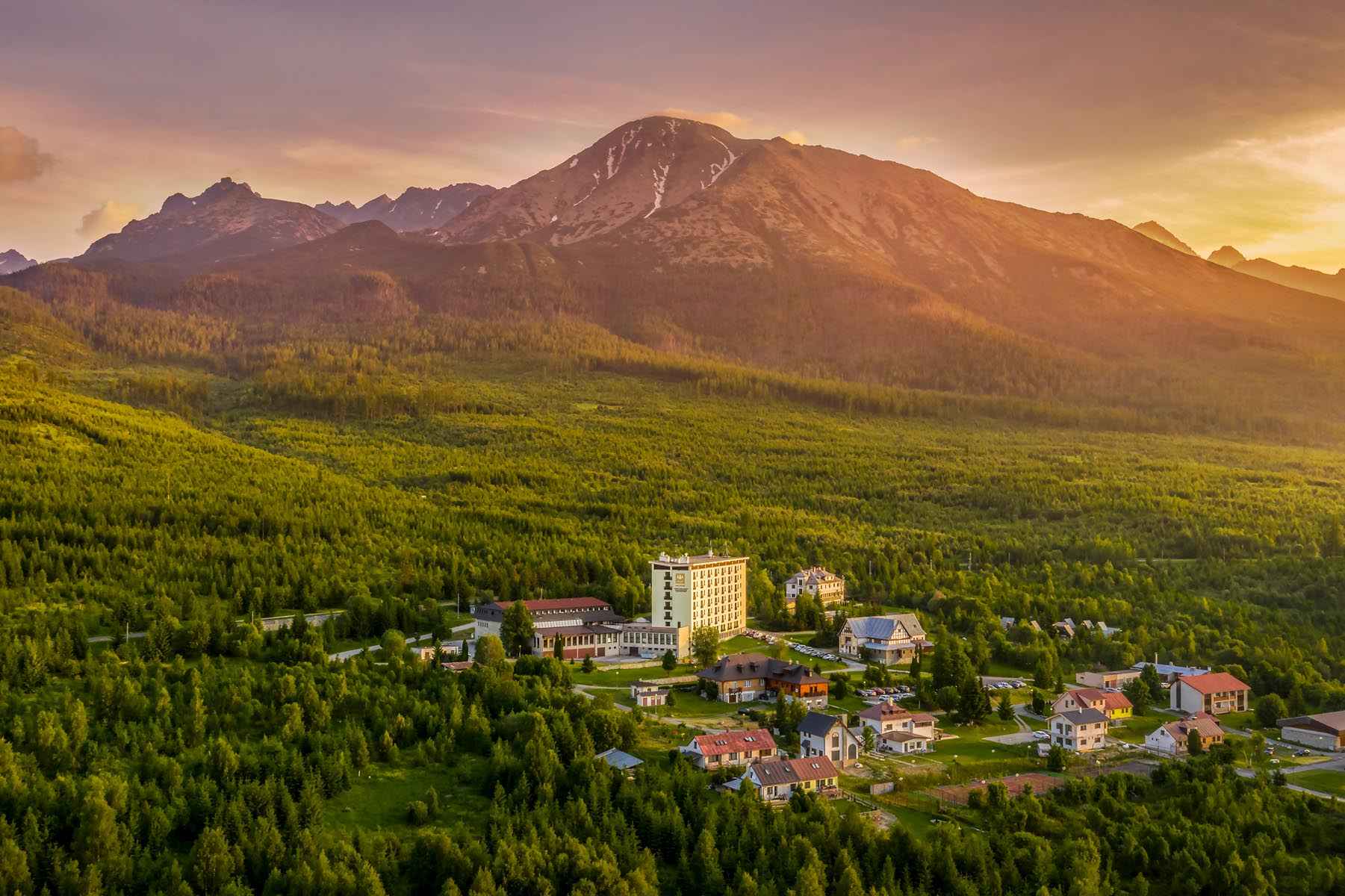
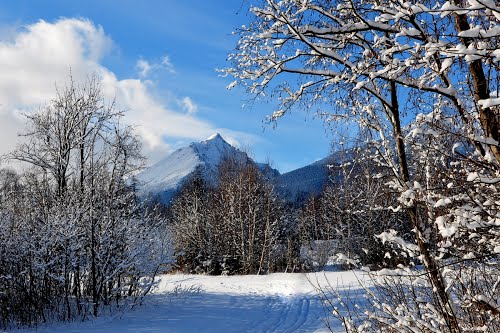
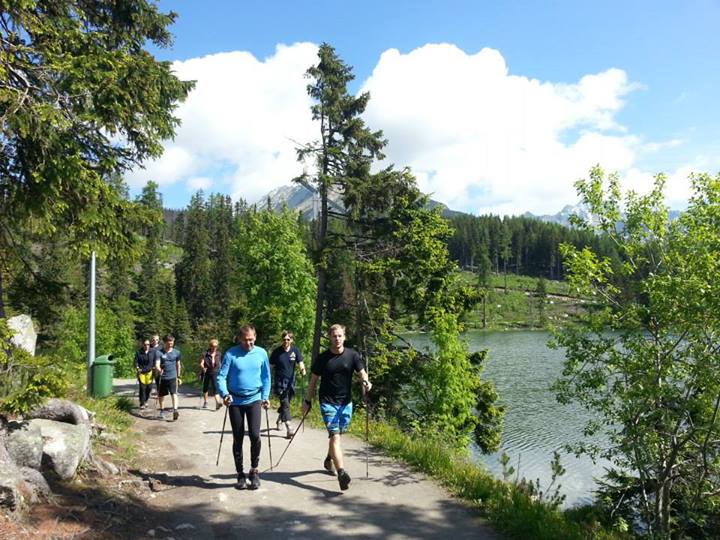
This is what it looks like here. Take a look
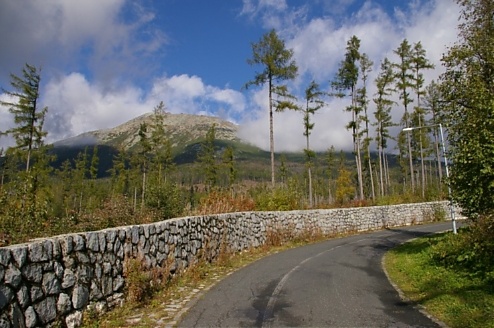
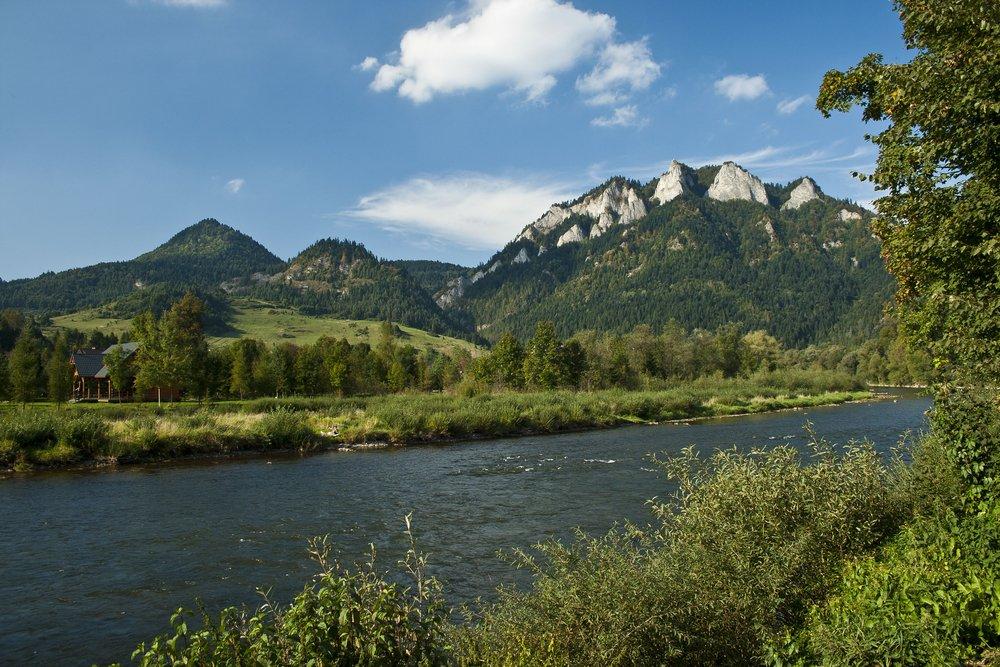
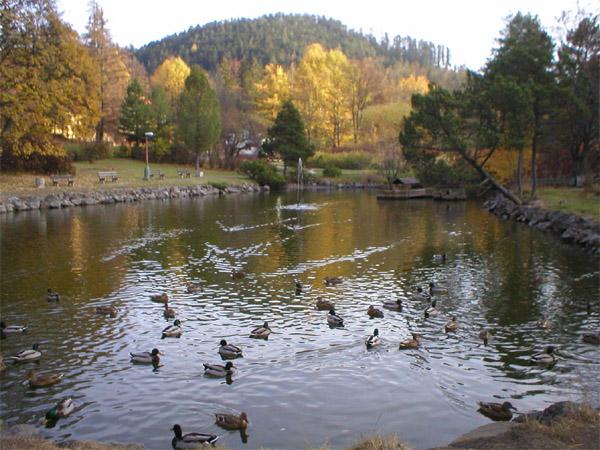

Must-See Places. Discover them one by one
Every corner of the High Tatras has its own story. Discover the places that shape the character of the region.






Webkamery
Poprad
3°C
Zamračené

Lomnický štít
-8°C
Zamračené
Tatranská Lomnica
1°C
Zamračené
Starý Smokovec
2°C
Zamračené
Hrebienok
1°C
Zamračené
Štrbské Pleso
0°C
Zamračené
Skalnaté pleso
-2°C
Zamračené
Solisko
0°C
Zamračené


Všetko, čo potrebujete vedieť pred výletom
Odpovede na najčastejšie otázky o regióne Vysoké Tatry.