Tatranská Lomnica
Tatranská Lomnica



Year the first state-run settlement in the Tatra Mountains was founded
Elevation
The Height of Lomnický Peak
The largest village in the Tatra Mountains, where the history of the resort is intertwined with mountain hikes and adventures beneath Lomnický štít
Tatranská Lomnica was founded in 1892 as the first state-owned settlement in the High Tatras. It was founded by András Bethlen, then the Hungarian Minister of Agriculture, on land that the state had divided into building lots designated for the construction of villas and tourist facilities. As early as 1893, the Hotel Lomnica was built here, which was the largest hotel in the High Tatras at the time. In 1895, Tatranská Lomnica became the first resort in the Tatras to have a train connection to Poprad.
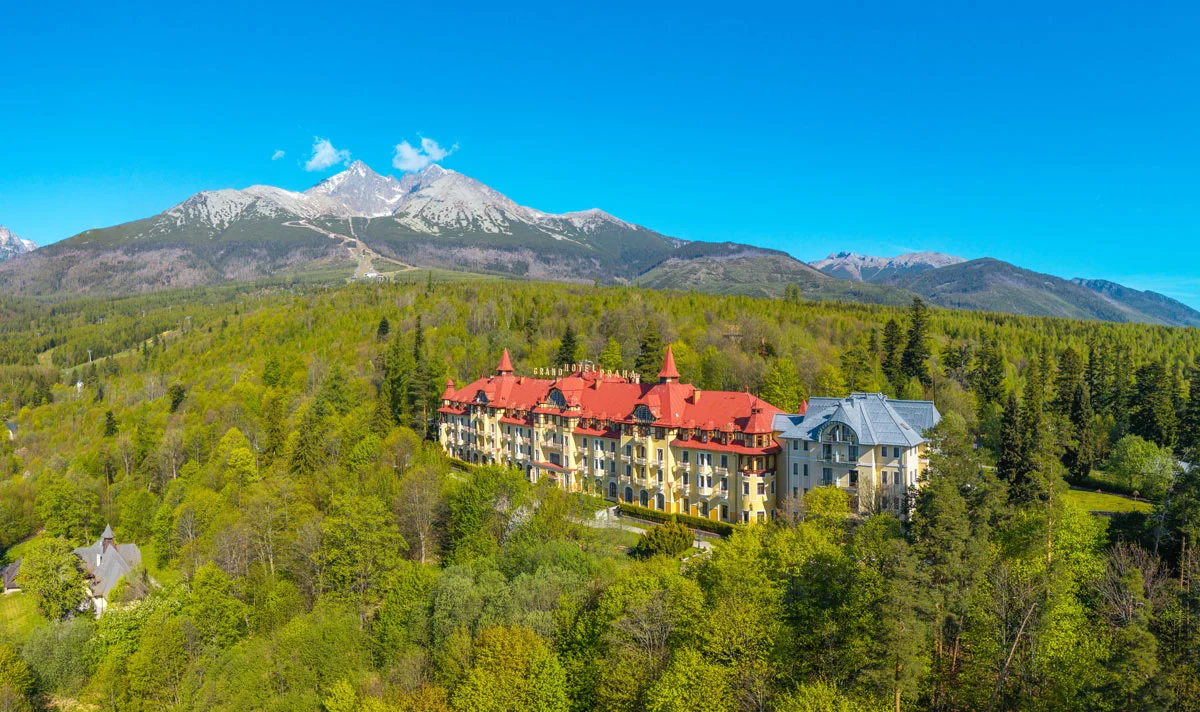
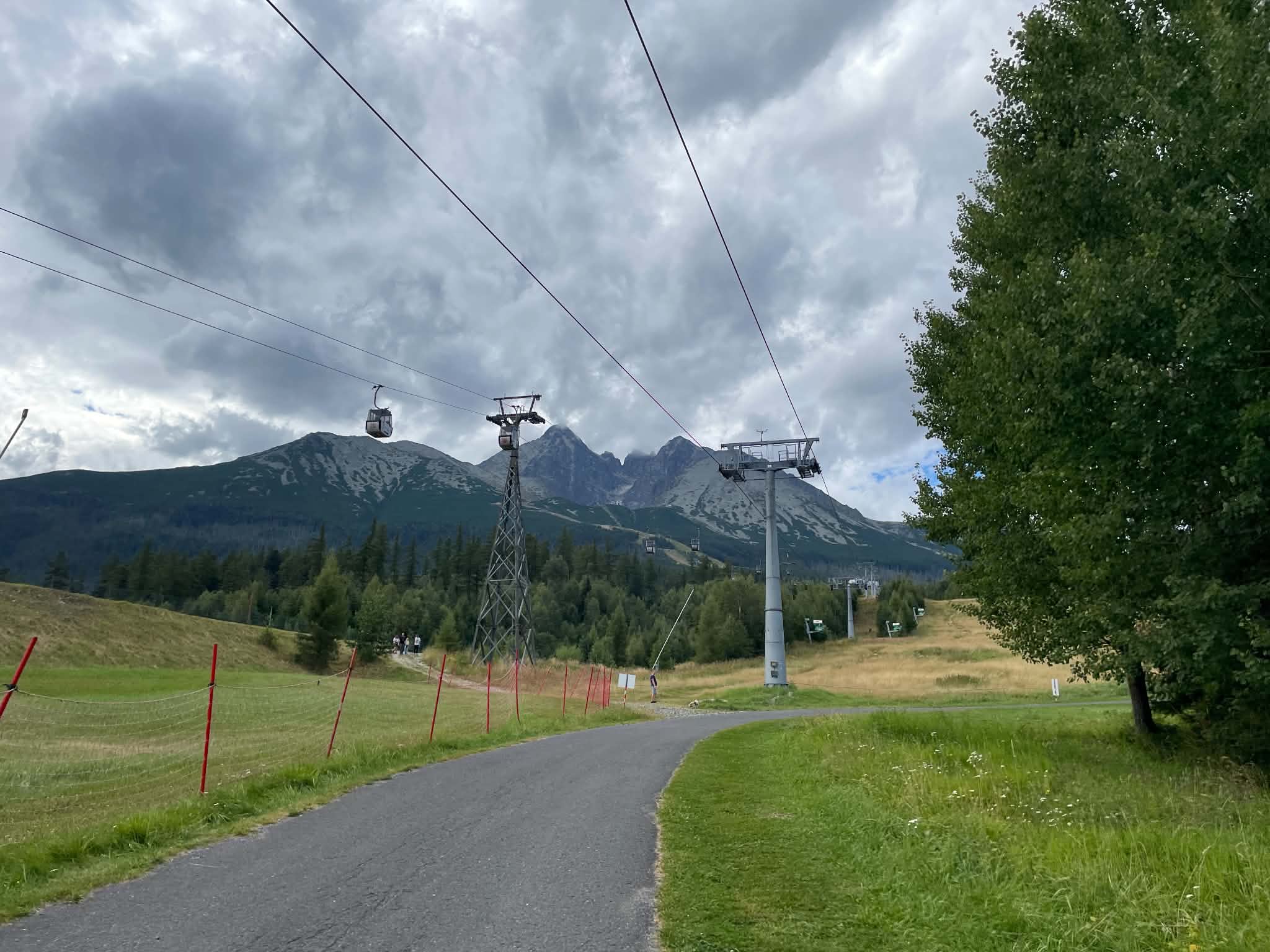
The character of the settlement was gradually shaped by the spa park, the aristocratic summer residences, the spa house, and the prestigious Grandhotel Praha, built in 1905. A significant milestone was the construction of the aerial tramway to Skalnaté Pleso and Lomnický štít, which transformed Tatranská Lomnica into a resort of international significance. The historic cable car was a technical marvel in its day, and its stone stations still serve as a reminder of the extraordinary complexity of the entire construction project.
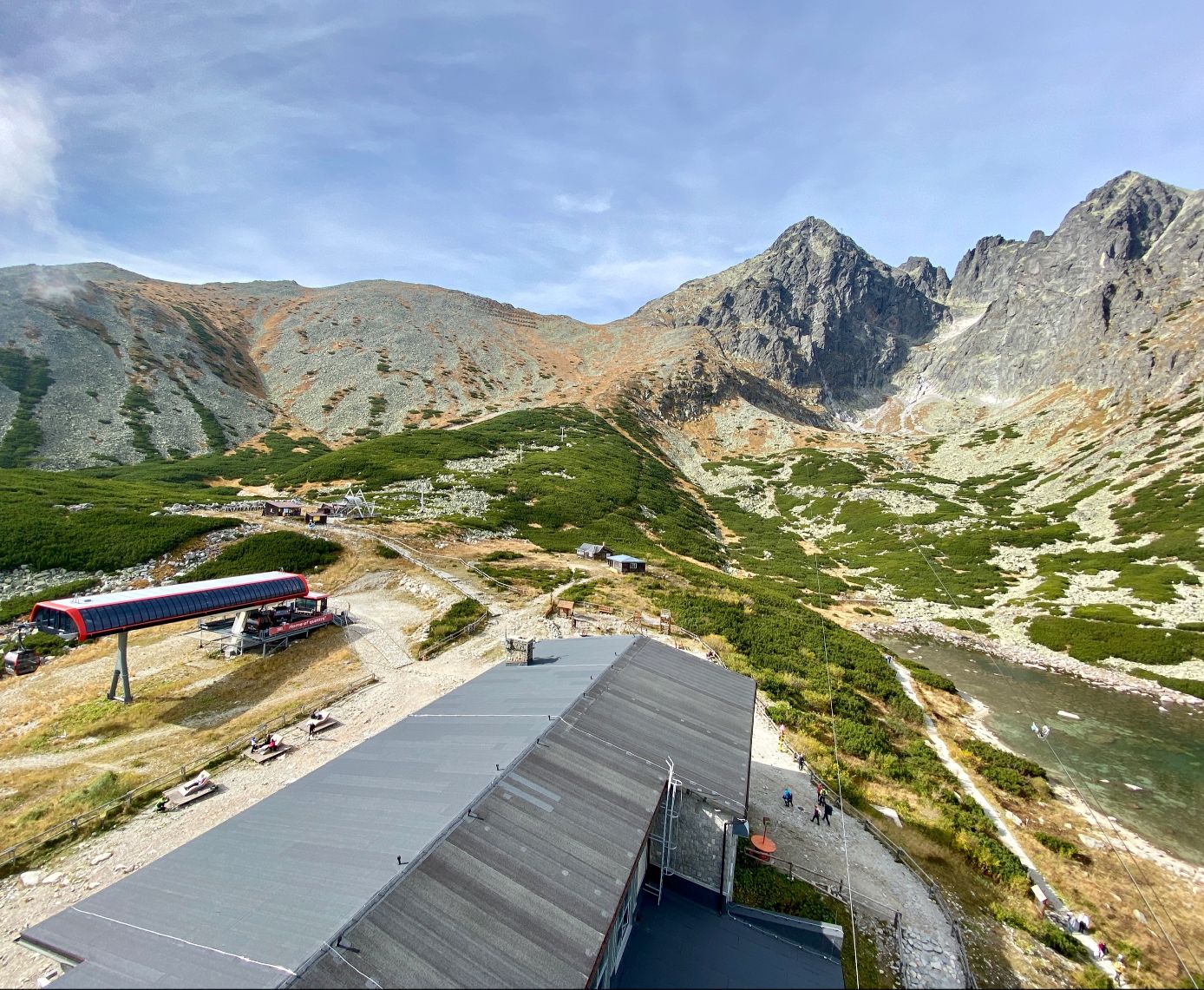
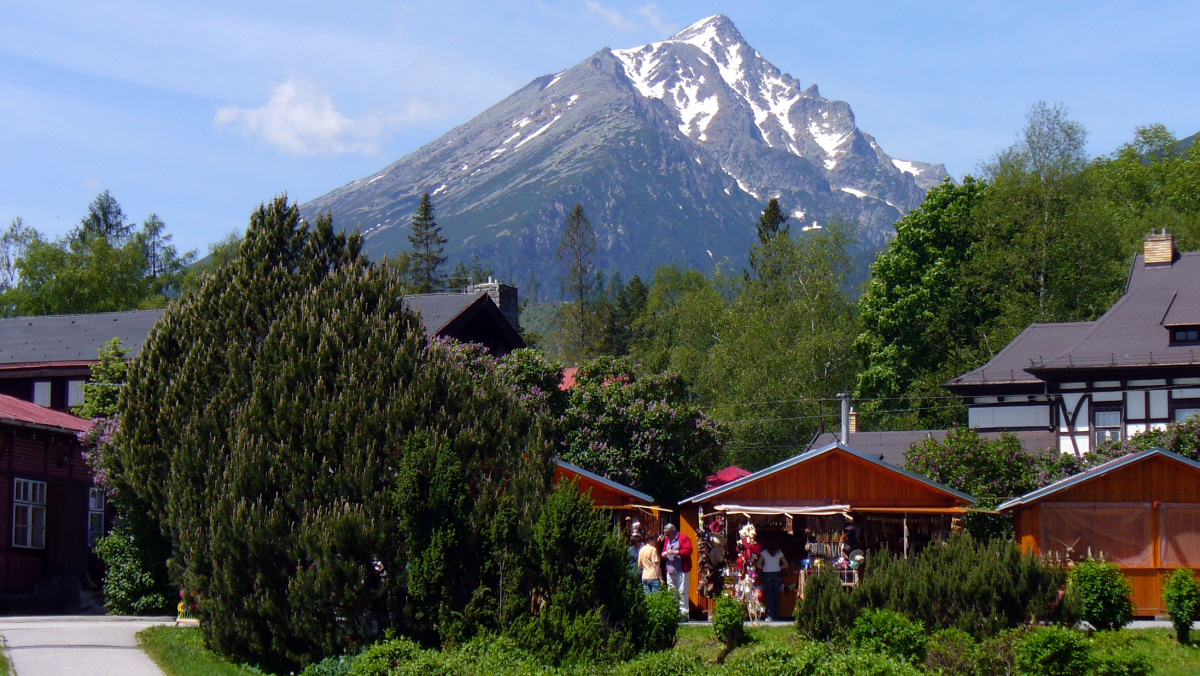
Today, Tatranská Lomnica is one of the most important tourist centers in the High Tatras. From there, you can take the cable cars up to Skalnaté pleso and then on to Lomnický štít. Right in the village, you’ll find the TANAP Museum, a historical park, sports and family attractions, as well as the seasonal Tatra Nature Exhibition, which showcases hundreds of species of Tatra plants.

What We Offer

What do you need to know before you arrive?
Please read this before your visit
The operating hours of the cable cars vary depending on the season, weather, and scheduled maintenance. Capacity on the cable car to Lomnický štít is limited, so we recommend purchasing your ticket in advance and checking the current cable car schedule before your trip.
The TANAP Museum is open year-round, but its hours vary throughout the year. The exhibition on Tatra nature is open seasonally, typically from May through mid-September. Please check the TANAP Administration website for the latest information.
If you plan to continue from Skalnaté Pleso into the mountains, check the weather, the condition of the hiking trails, and any closures before setting out. In the mountains, wear sturdy shoes and appropriate clothing, and follow the TANAP visitor guidelines.
Where to Stay in the Area
Plan a comfortable stay—choose accommodations near this location and enjoy the region to the fullest without unnecessary travel.



That's how it looks here. Take a look



Discover other cities and towns in the region
Every town and village in the Tatra Mountains has its own history, character, and atmosphere—explore other destinations worth visiting.
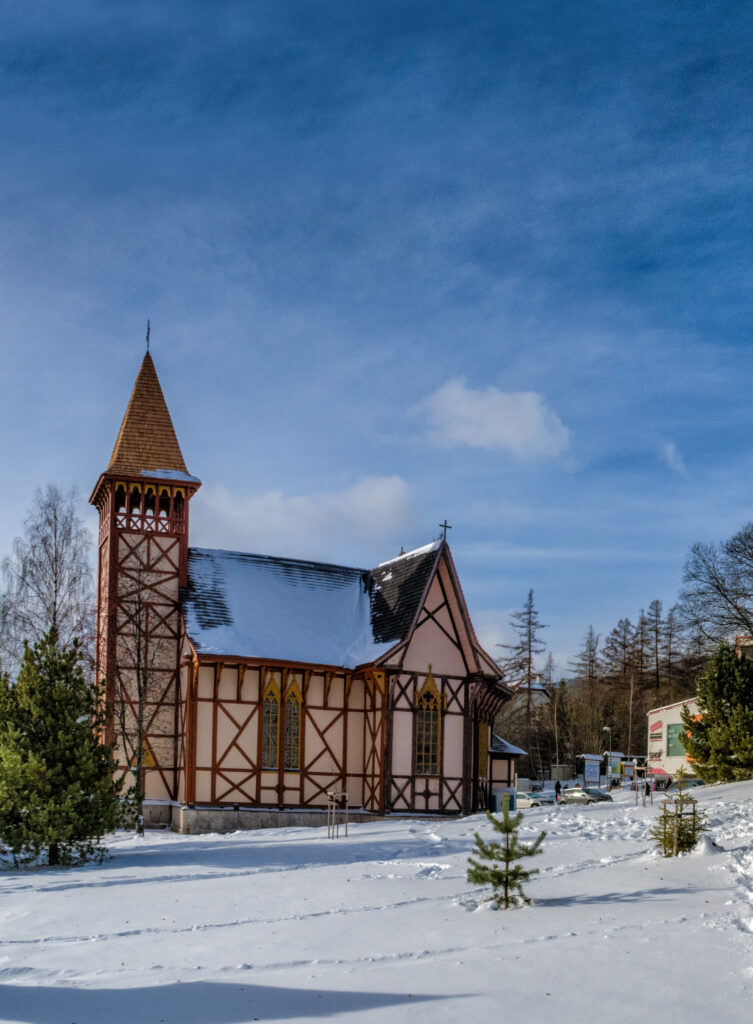


Must-See Places: Discover One Place at a Time
Every corner of the High Tatras has its own story. Discover the places that shape the character of the region.
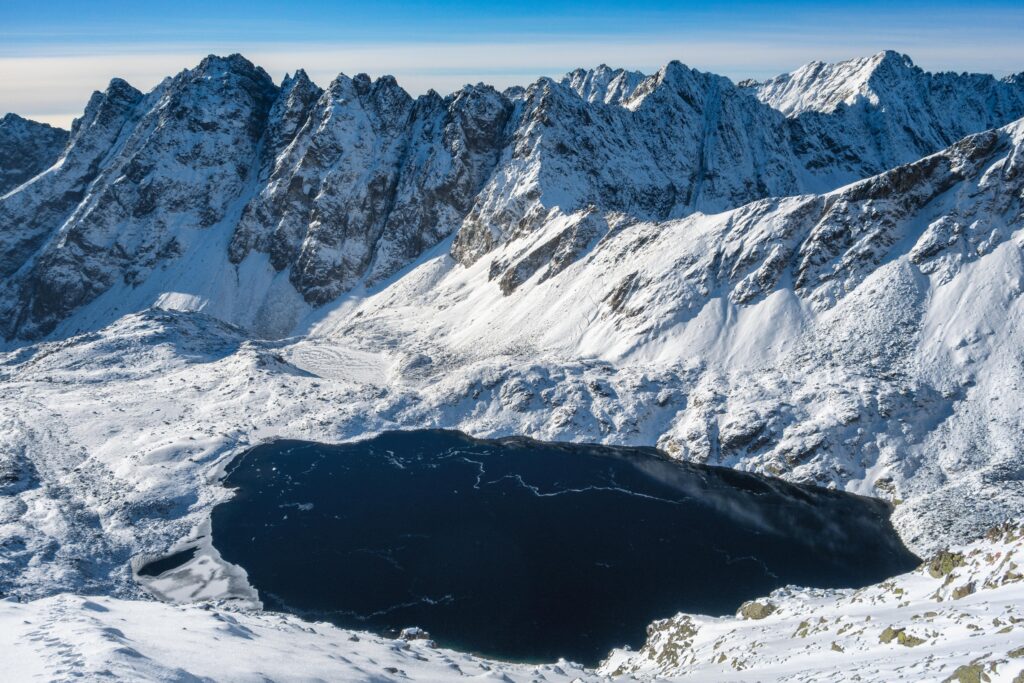


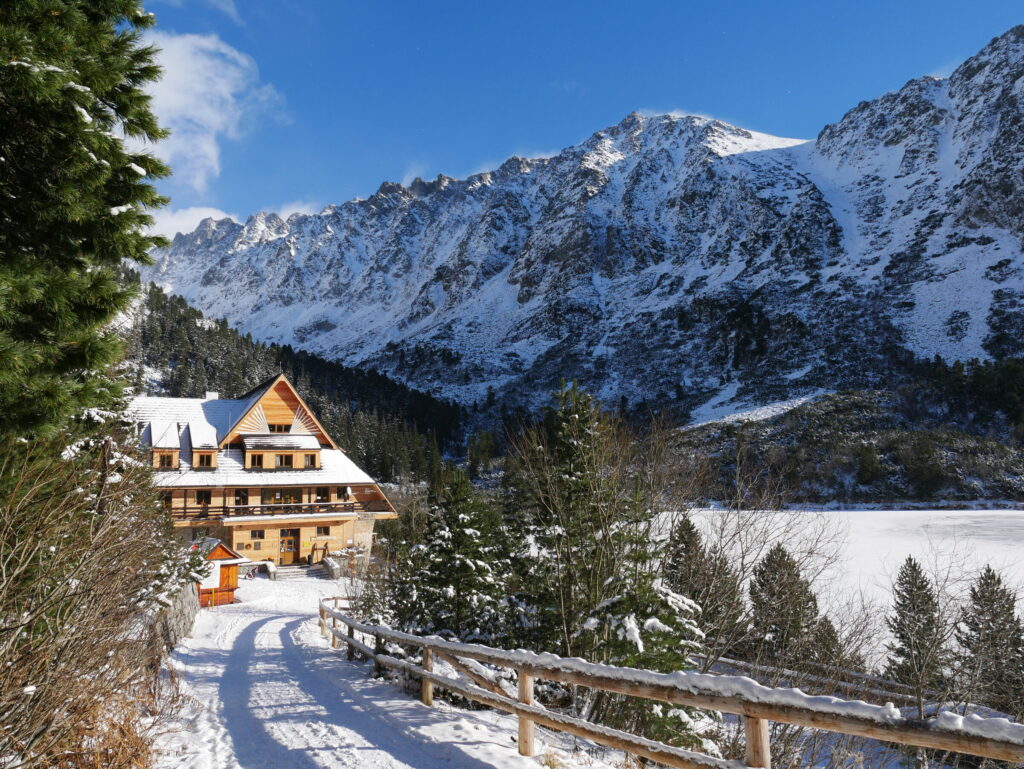
The Tatra Mountains wake up differently every day
Current conditions, upcoming events, and editorial recommendations. Everything you need to know before heading to the Tatras.

Webcams
Poprad
-2°C
Clear

Lomnický štít
-10°C
Clear
Tatranská Lomnica
-2°C
Clear
Starý Smokovec
0°C
Clear
Hrebienok
-1°C
Clear
Štrbské Pleso
0°C
Clear
Skalnaté pleso
-2°C
Clear
Solisko
-3°C
Clear


Everything You Need to Know Before Your Trip
Answers to the most frequently asked questions about the High Tatras region.