Ždiar
A Goral village at the foot of the Belianske Tatras, where traditions and folk architecture are still alive today.



Historic buildings in 4 groups
Door Height in Original Log Cabins
Total Length of the Tree-Top Walk
A charming village at the foot of the Belianske Tatras, where vibrant Goral traditions blend with folk architecture, hiking, and year-round experiences
The first written mention of Ždiar dates back to 1590, although the village is believed to have been founded as early as the beginning of the second half of the 16th century. Its founder was František Lužinský, the castellan of the Horvát family, the local landowners. The first inhabitants made their living primarily through logging, charcoal burning, and herding. Gradually, they established a scattered settlement of mountain hamlets in the valleys and on the slopes below the Belianske Tatras.
The unique character of the village is still defined by traditional Ždiar log houses with blue caulking, red window frames, and white floral ornaments. In 1977, Ždiar was designated a historic preservation district for folk architecture. There are 236 historic buildings here, divided into four groups. The Ždiarsky Dom Museum offers a glimpse into the lives of the local Gorals, their traditional costumes, crafts, and wedding customs.
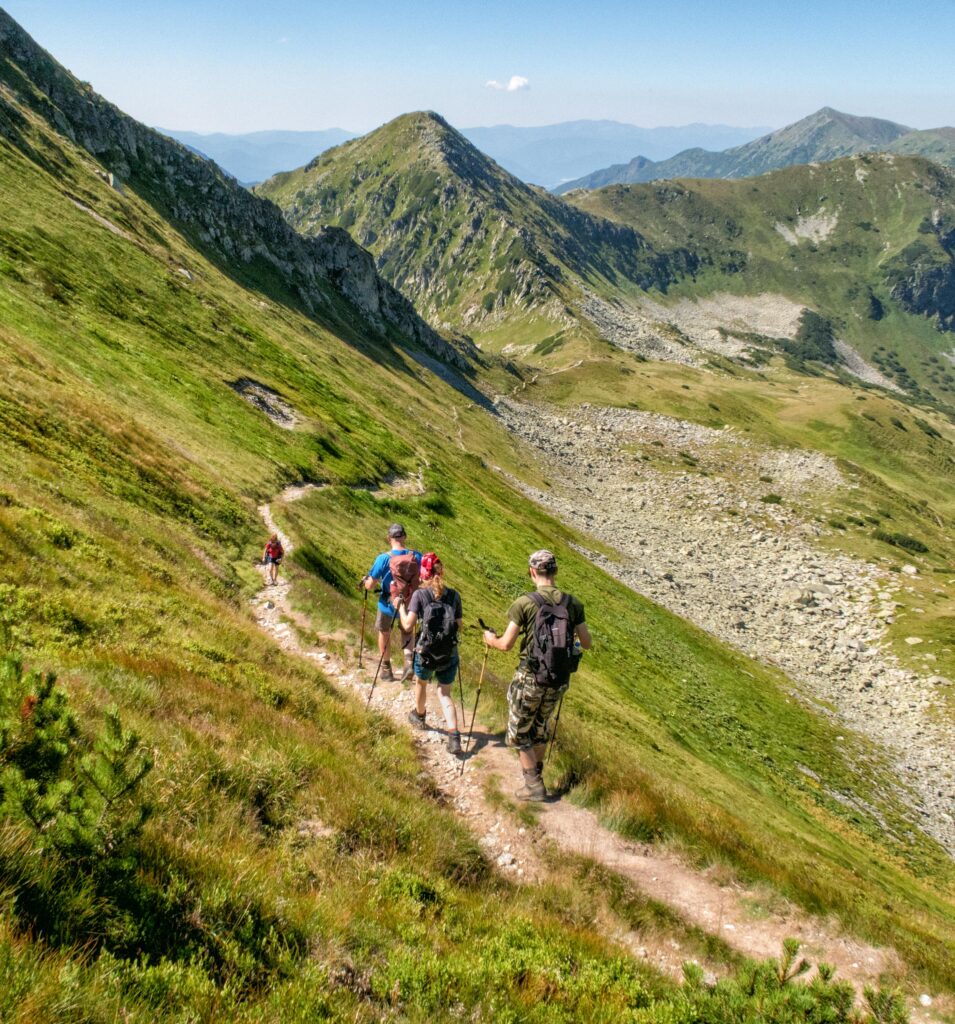
Today, Ždiar is a popular destination for hiking, winter sports, and family activities. A trail leads from the village through Monkova Valley to the Široké and Kopské Saddle passes, offering views of the Belianske Tatras. In the nearby Bachledová Valley, you can visit the Tree Top Walk—open year-round—with its 32-meter-high observation tower, or enjoy the local ski slopes and other attractions.

What We Offer

What do you need to know before you arrive?
Please read this before your visit
The museum's hours of operation vary throughout the year. Groups of more than ten people can also arrange for a private tour outside of regular hours by appointment. Before your visit, please check the Ždiarsky Dom Museum website for the latest information.
The high-altitude trail through Monkova Valley, Široké Pass, and Kopské Pass is subject to seasonal closures. Before setting out on your hike, check the current trail conditions, weather, and any restrictions on the TANAP Administration website.
The treetop walk is open year-round, but its operation may be affected by weather or scheduled maintenance. Before you go, check the opening hours, cable car schedule, admission prices, and parking options on the Bachledka Resort website.
Where to Stay in the Area
Plan a comfortable stay—choose accommodations near this location and enjoy the region to the fullest without unnecessary travel.


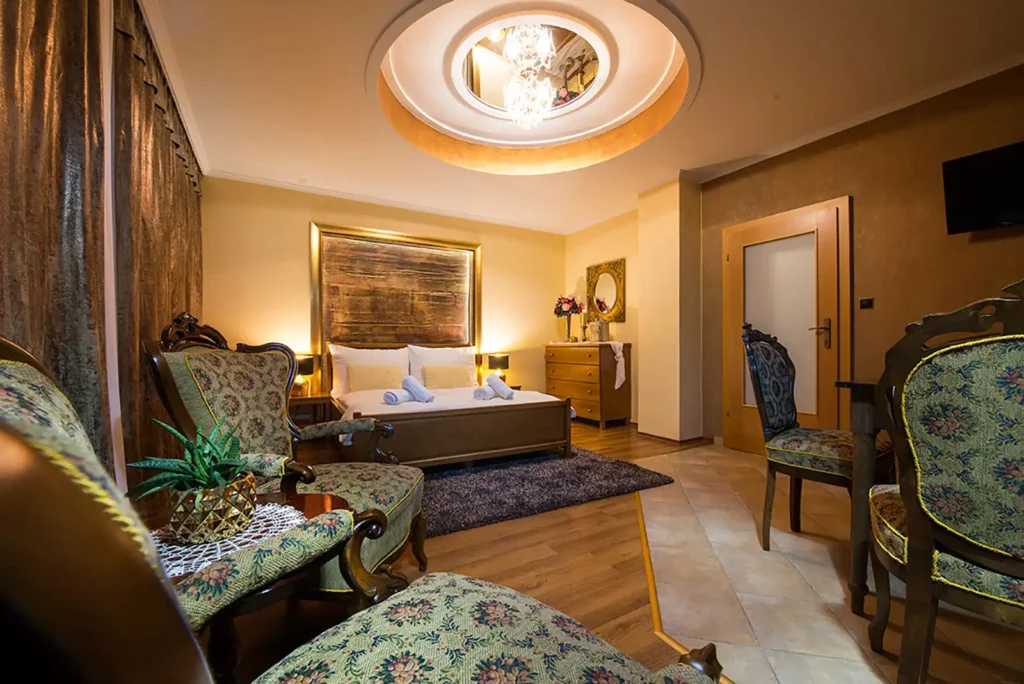

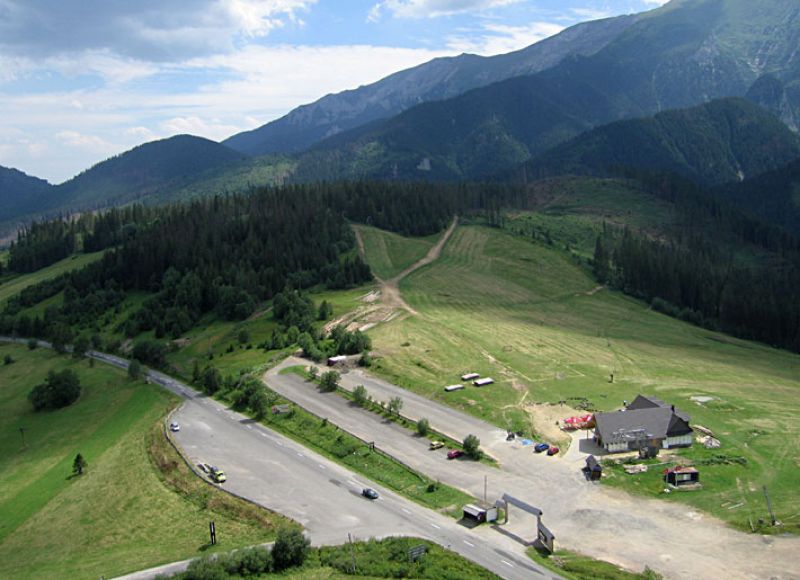
That's how it looks here. Take a look
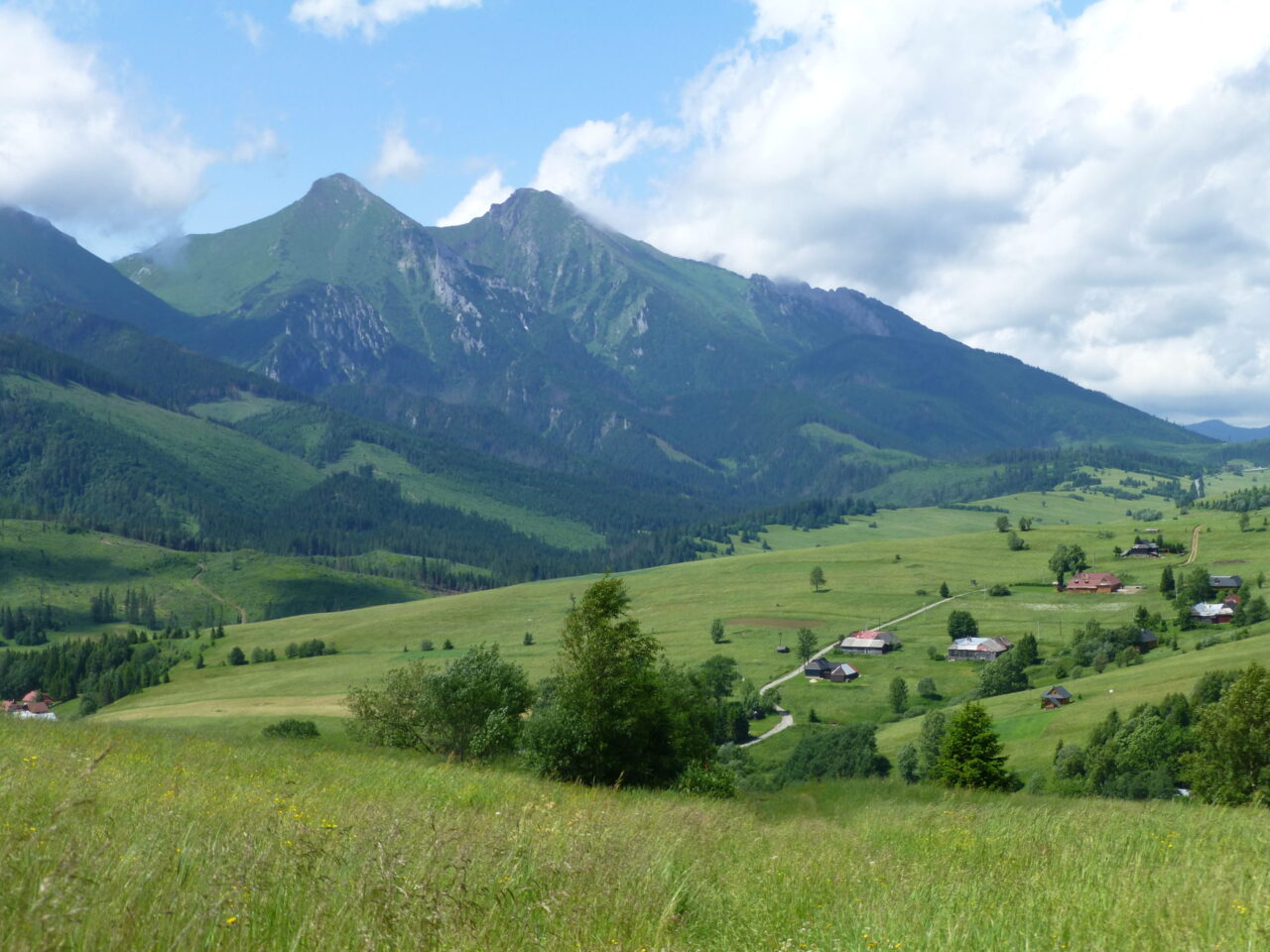

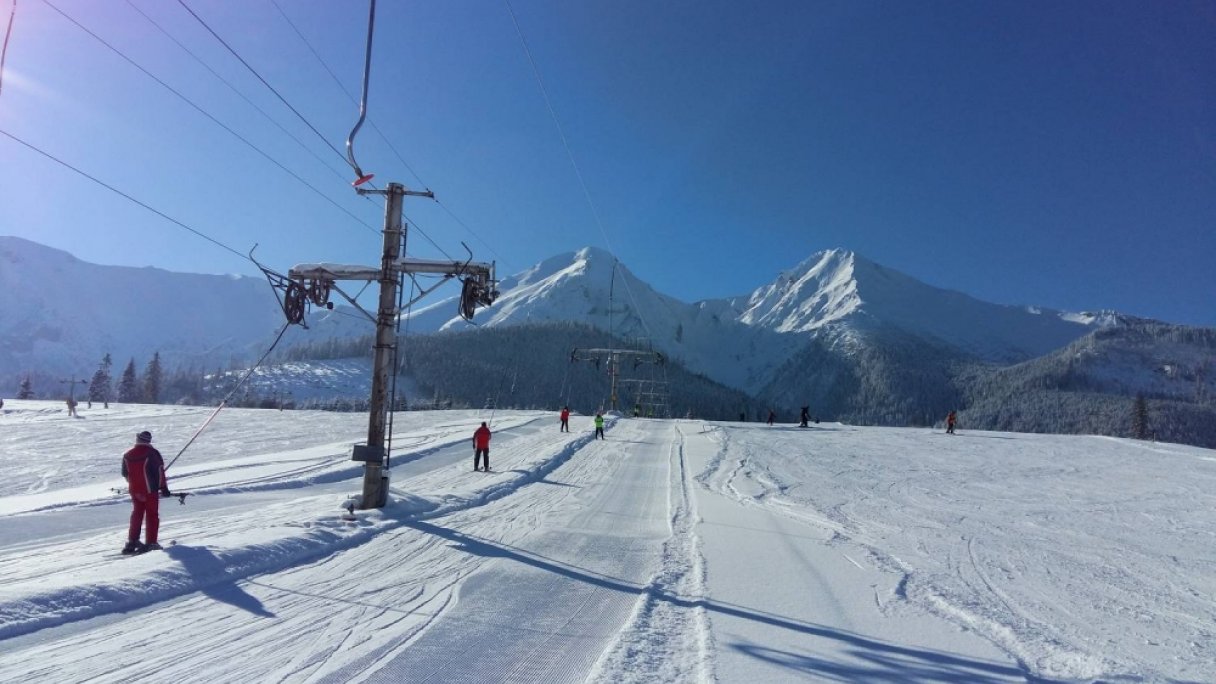
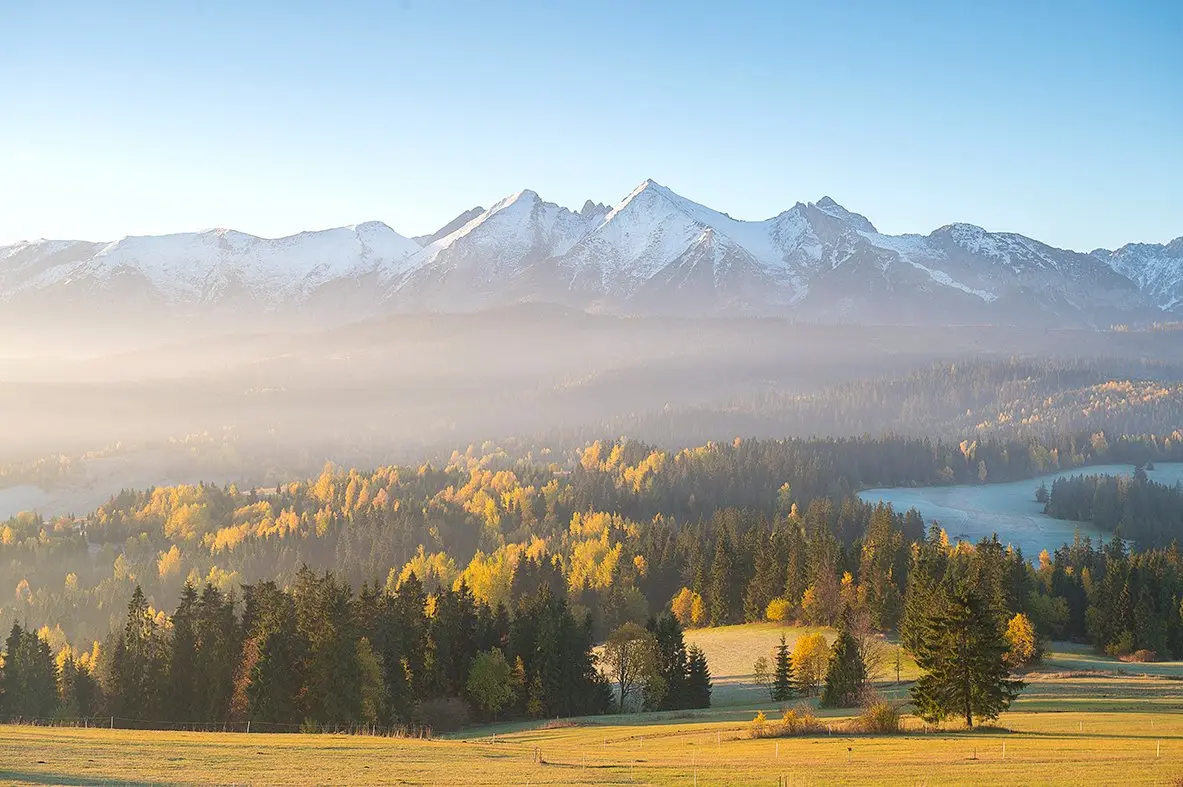
Discover other cities and towns in the region
Every town and village in the Tatra Mountains has its own history, character, and atmosphere—explore other destinations worth visiting.
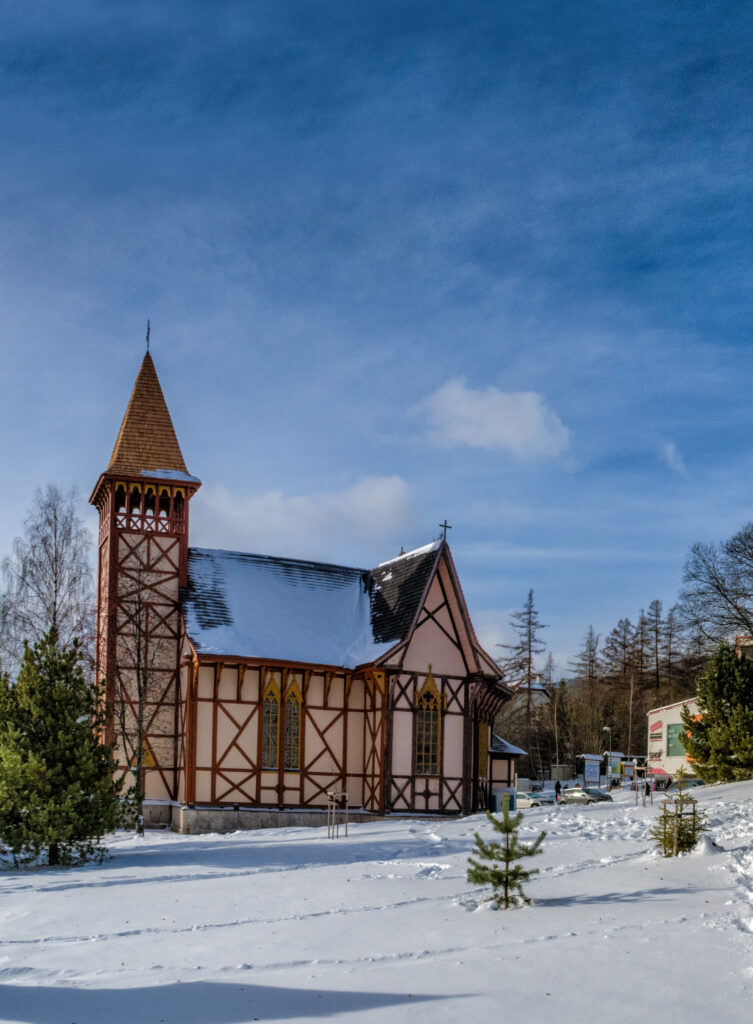


Must-See Places: Discover One Place at a Time
Every corner of the High Tatras has its own story. Discover the places that shape the character of the region.
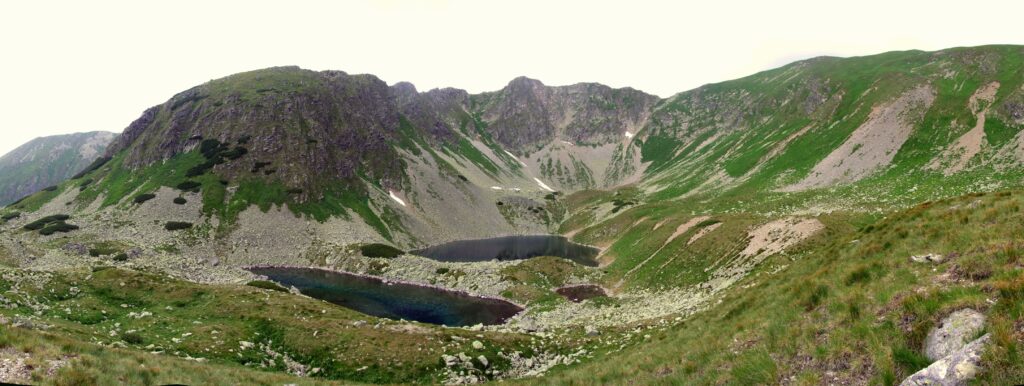


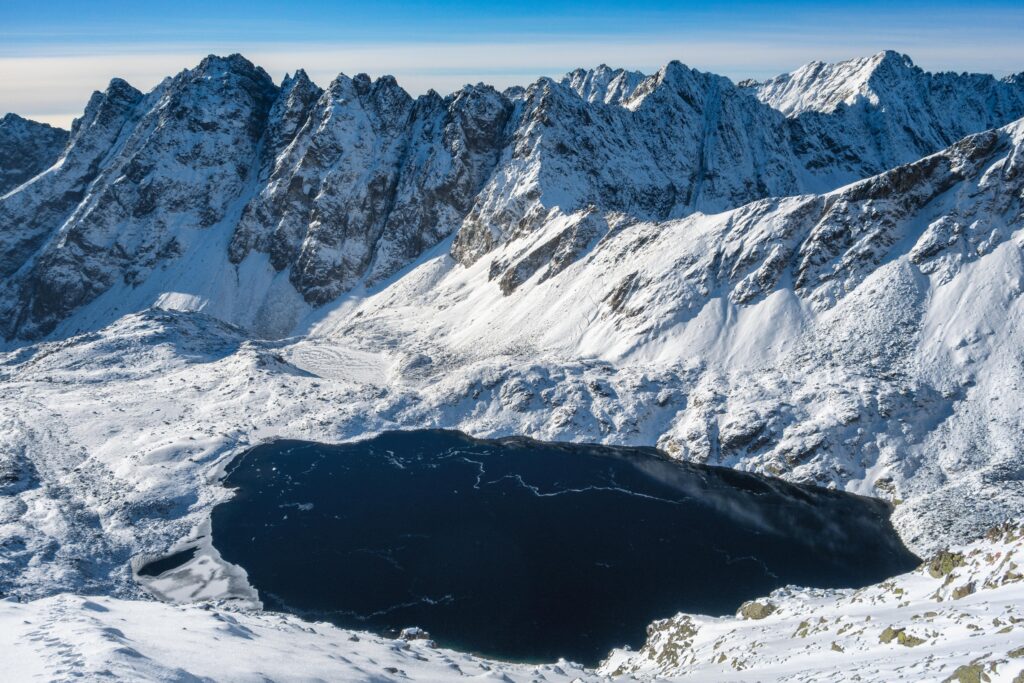

The Tatra Mountains wake up differently every day
Current conditions, upcoming events, and editorial recommendations. Everything you need to know before heading to the Tatras.

Webcams
Poprad
-2°C
Mostly clear

Lomnický štít
-10°C
Clear

Tatranská Lomnica
-2°C
Clear
Starý Smokovec
0°C
Mostly clear
Hrebienok
-1°C
Mostly clear
Štrbské Pleso
0°C
Clear
Skalnaté pleso
-2°C
Clear
Solisko
-3°C
Clear


Everything You Need to Know Before Your Trip
Answers to the most frequently asked questions about the High Tatras region.