Species of Higher Plants in the Tatra Mountains
Flora and Fauna of the High Tatras
Flora and Fauna of the High Tatras
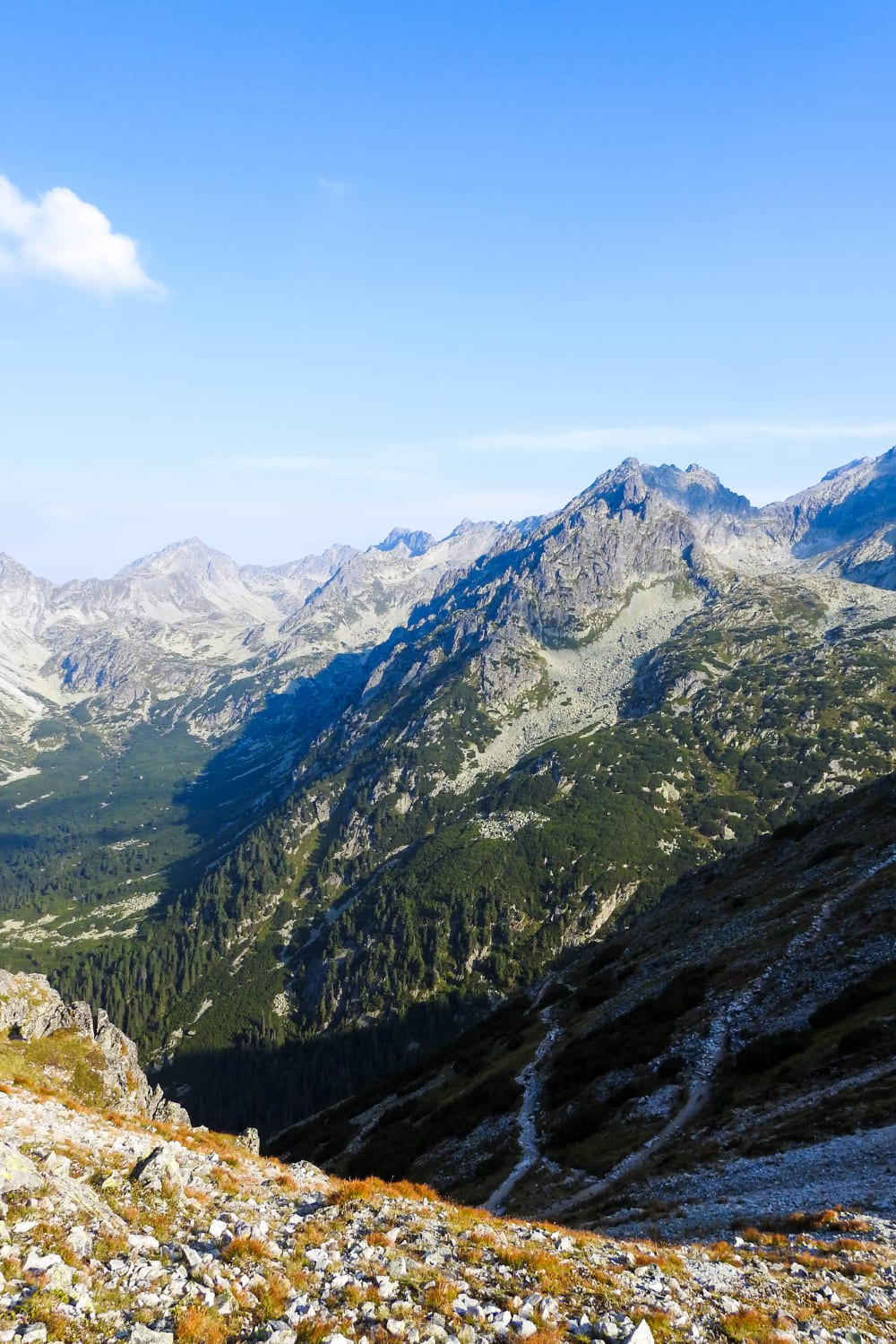
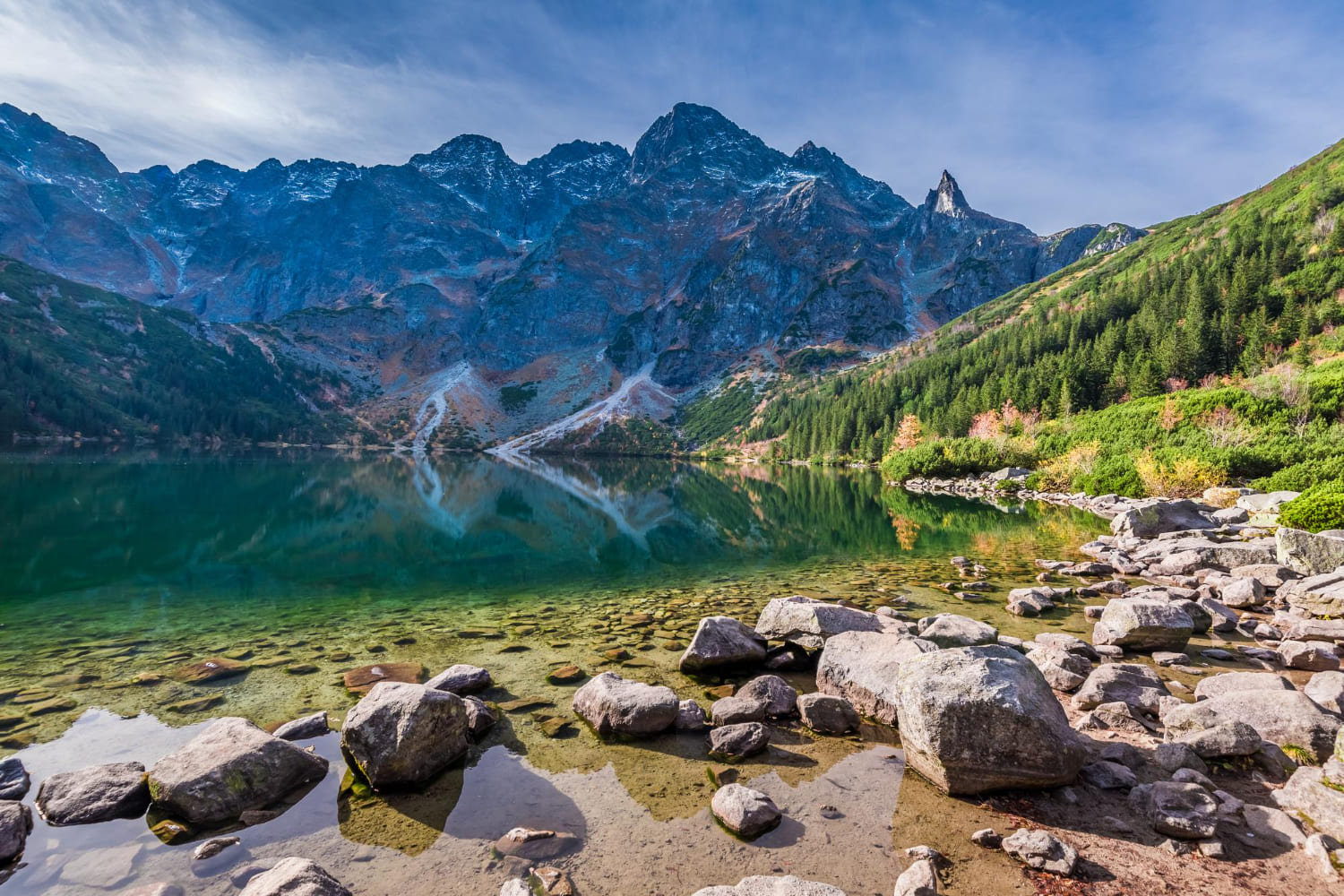
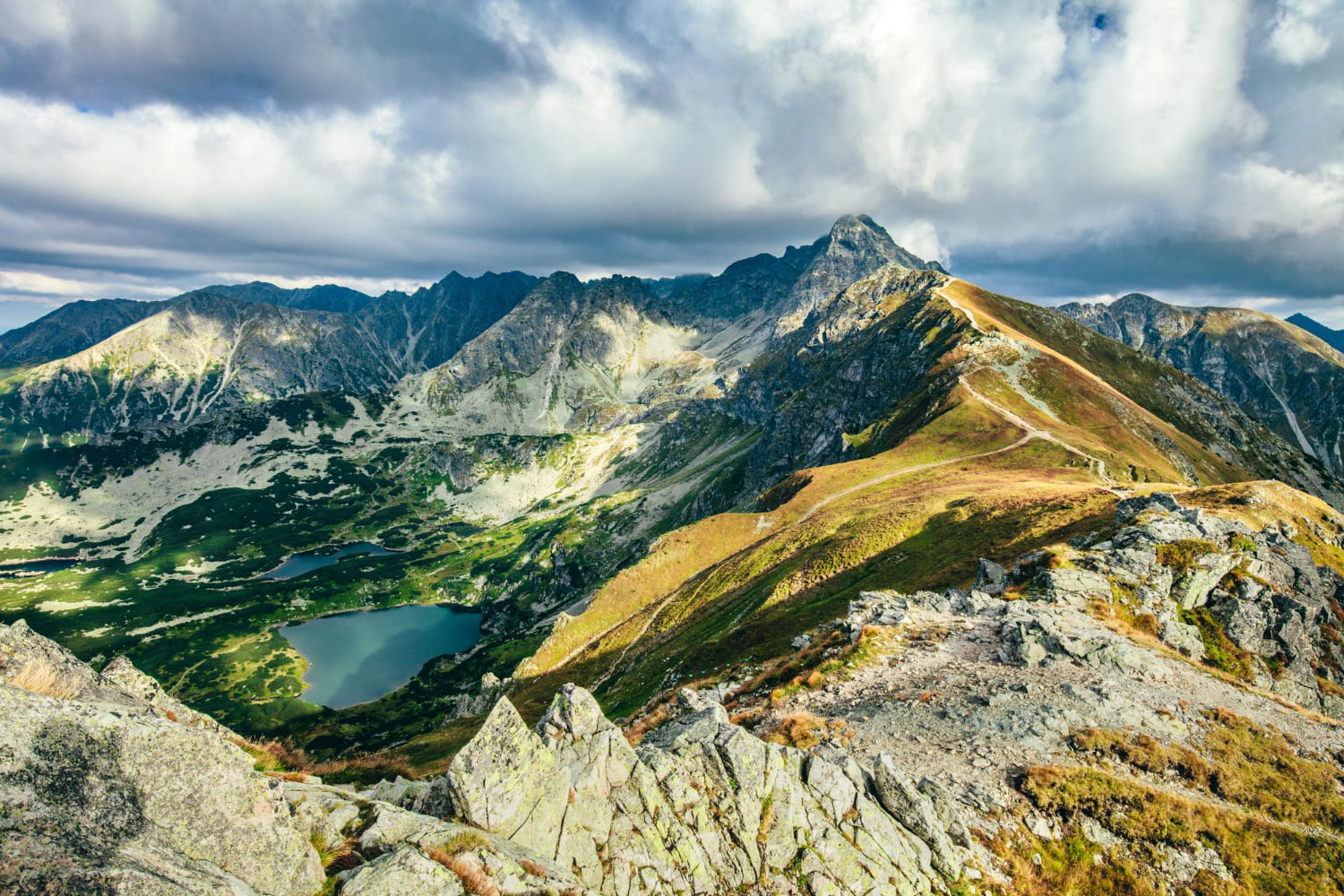
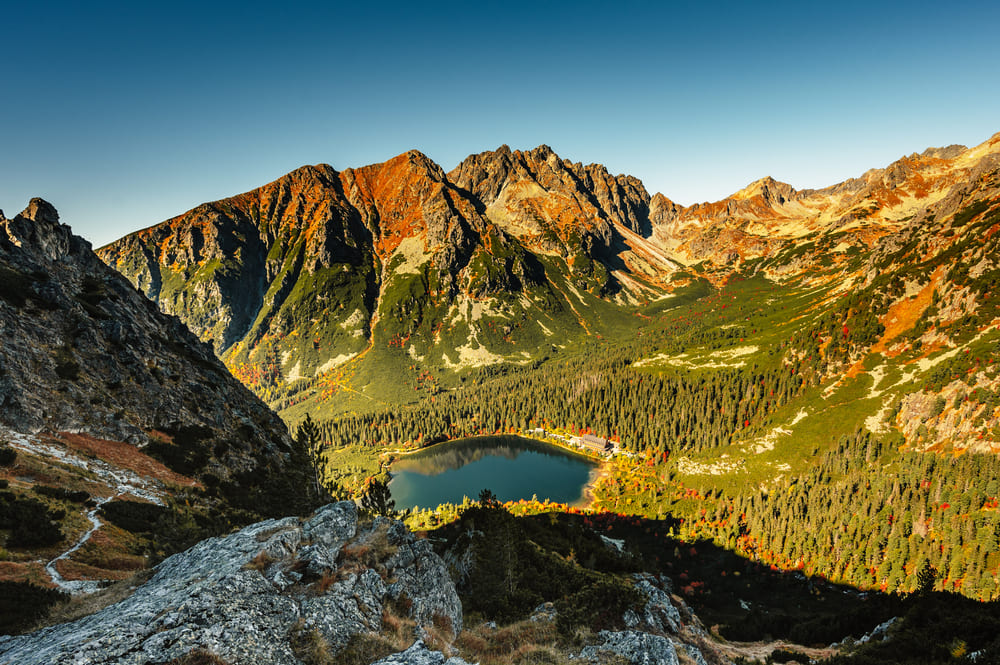
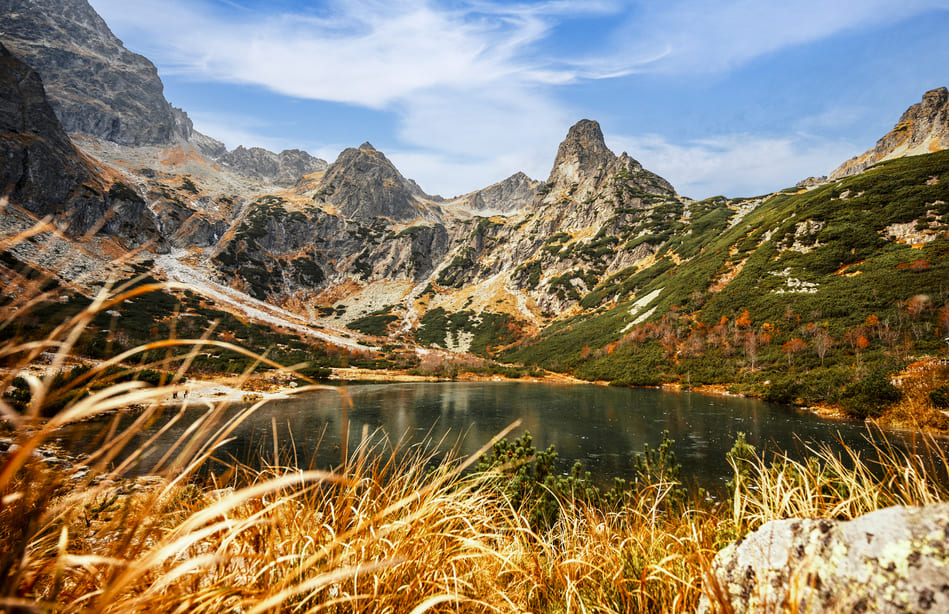
The High Tatras are one of the last refuges of wilderness in Central Europe. An incredible amount of biodiversity is concentrated here within a relatively small area.
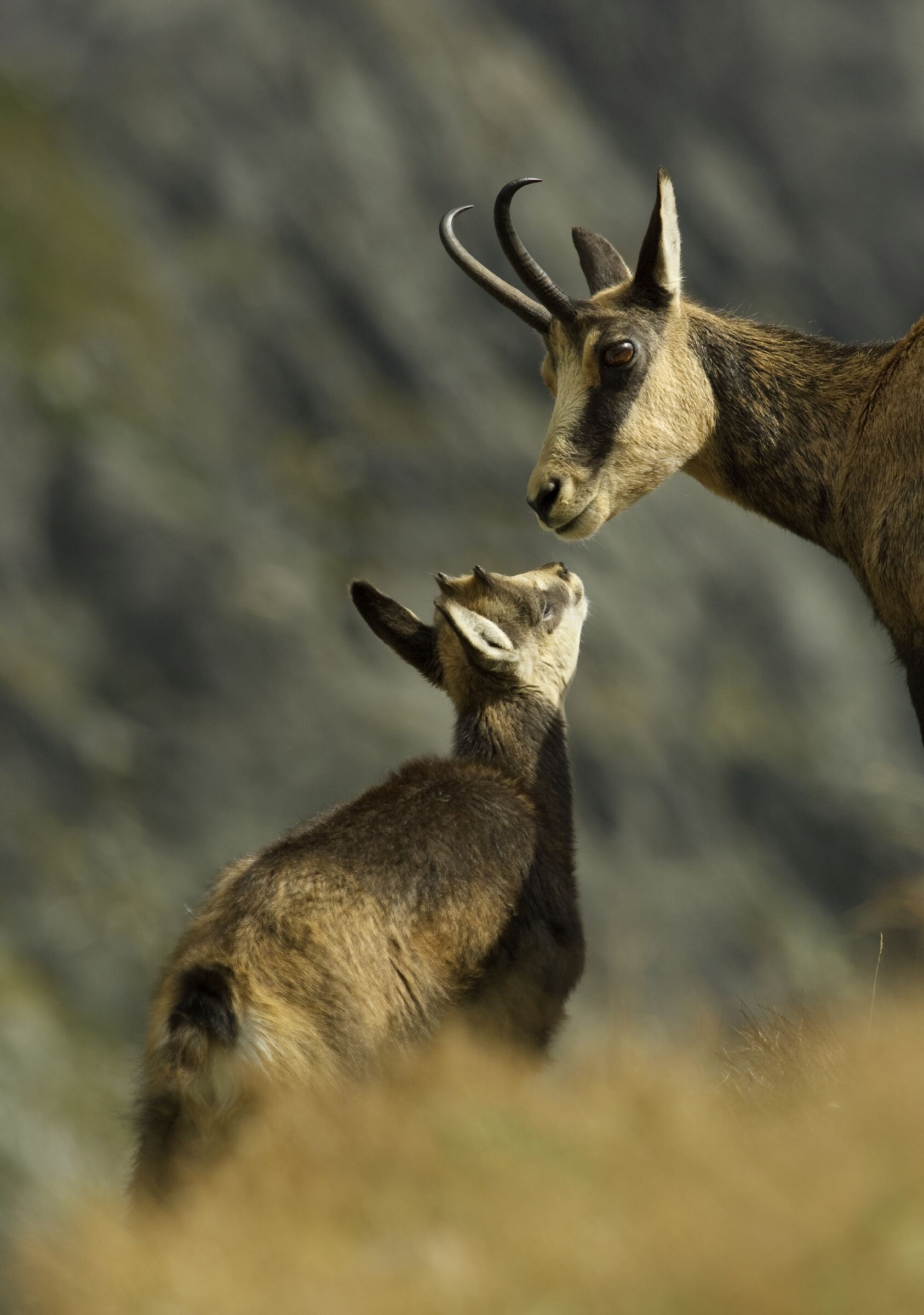
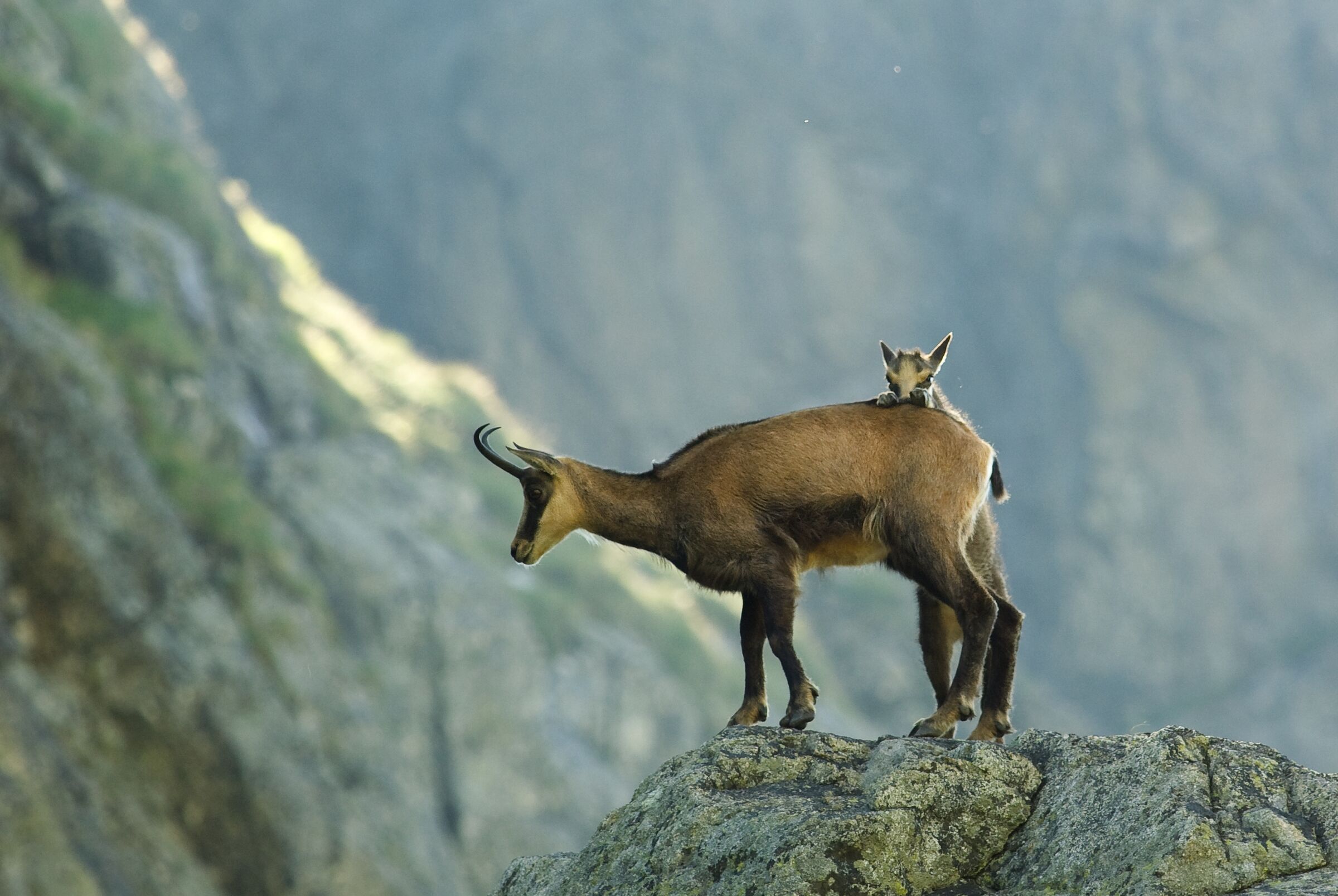
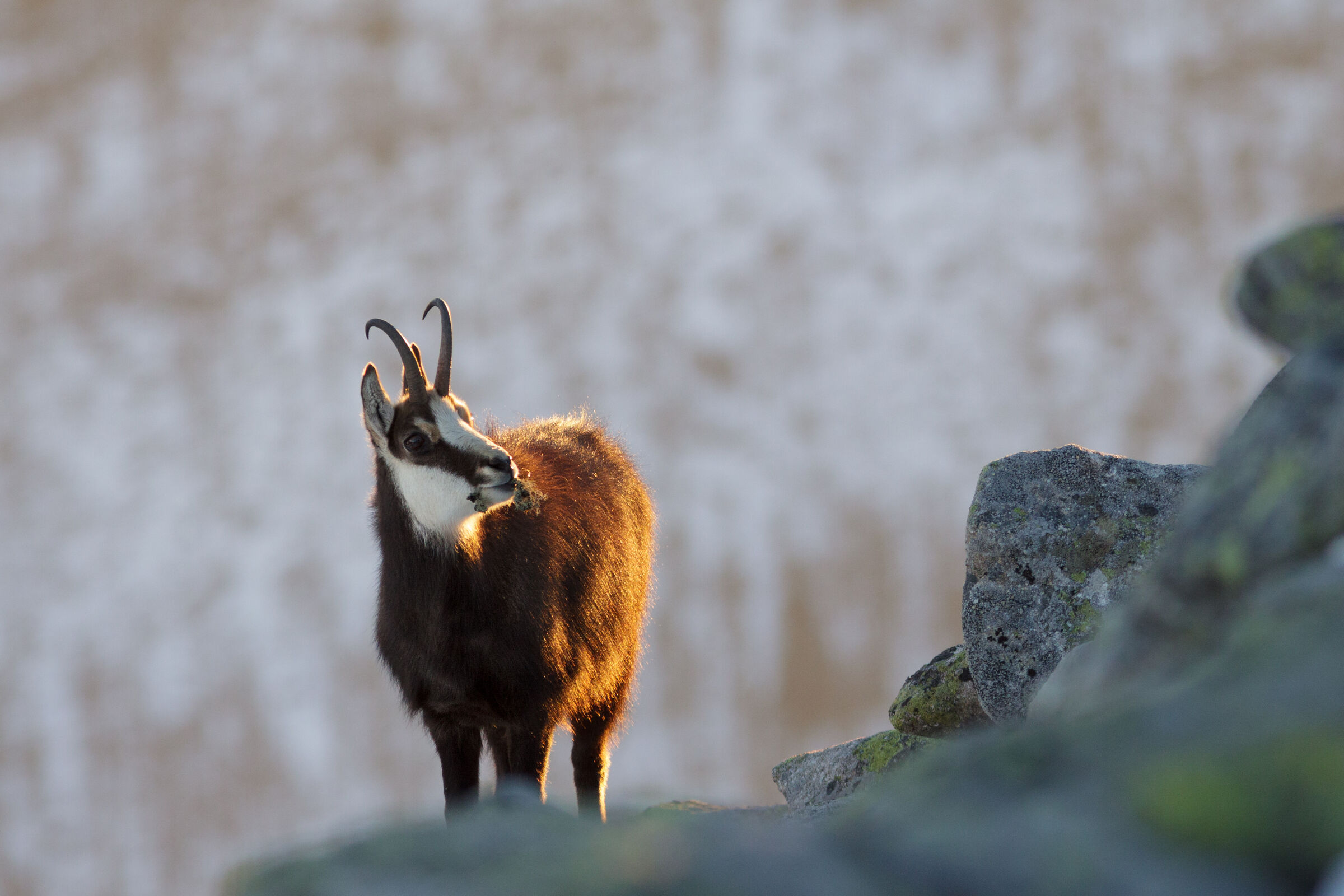
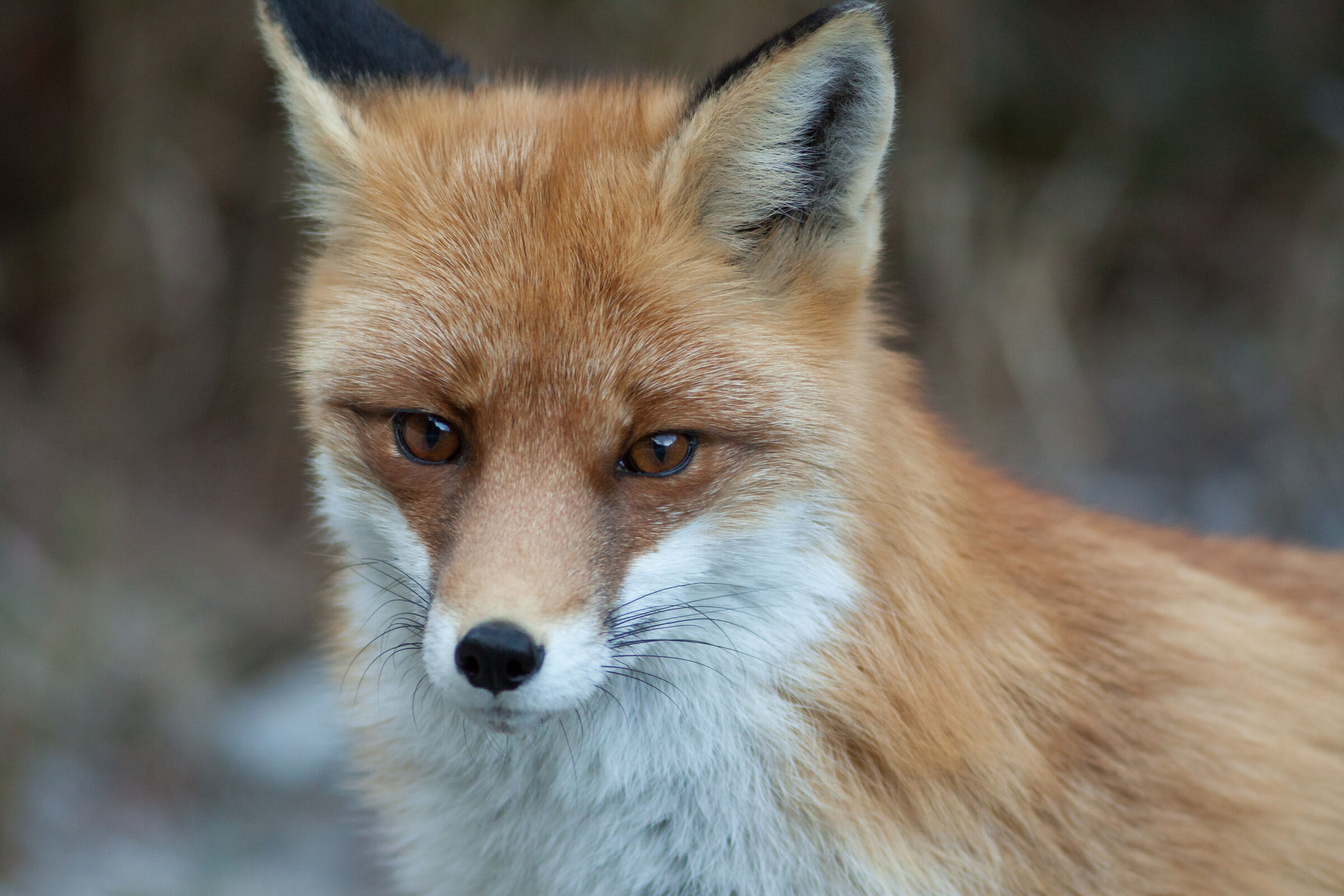
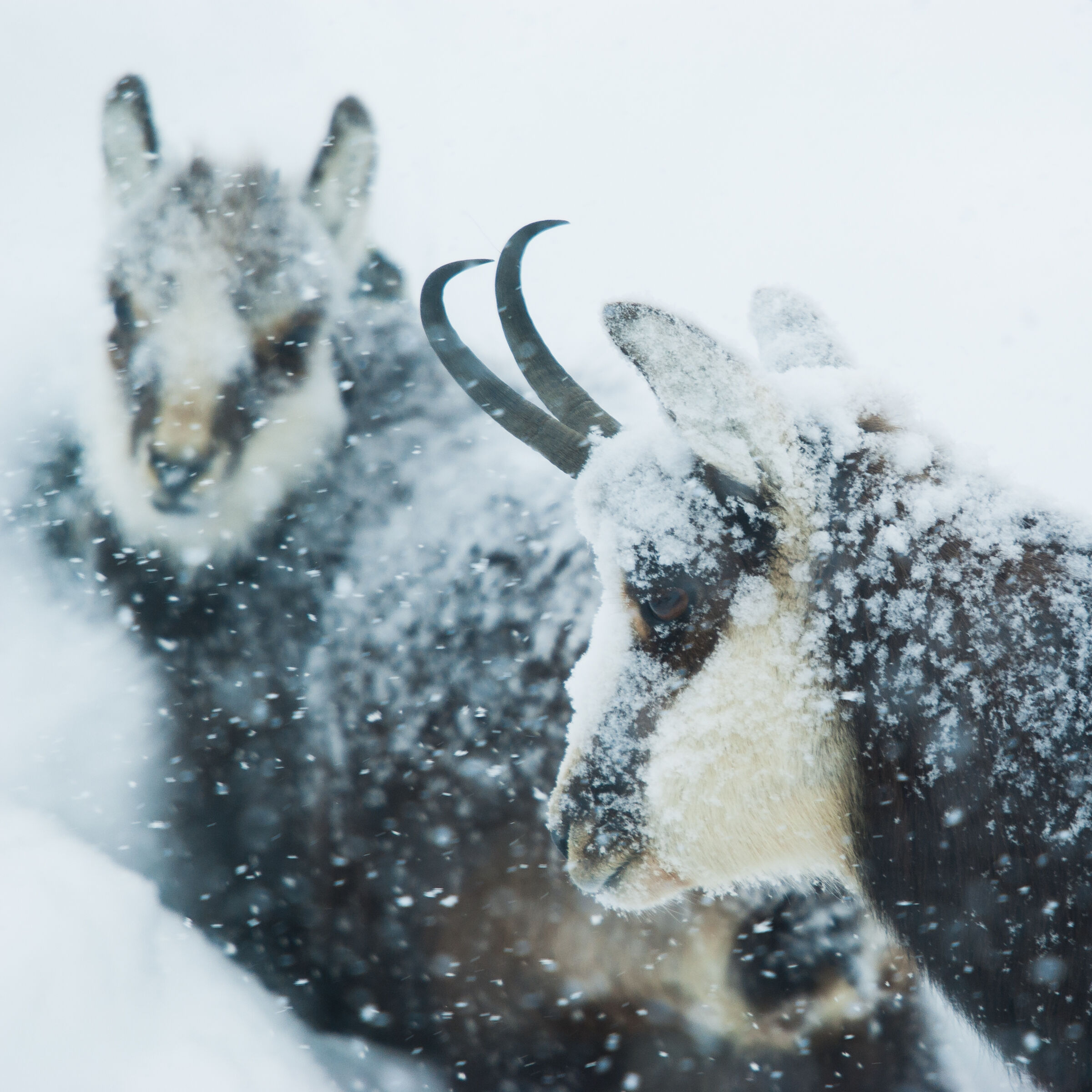
Brown bears, Eurasian lynx, wolves, and Tatra chamois are not a rarity here, but a natural part of the Tatra ecosystem, which has been functioning according to its own rules for thousands of years.
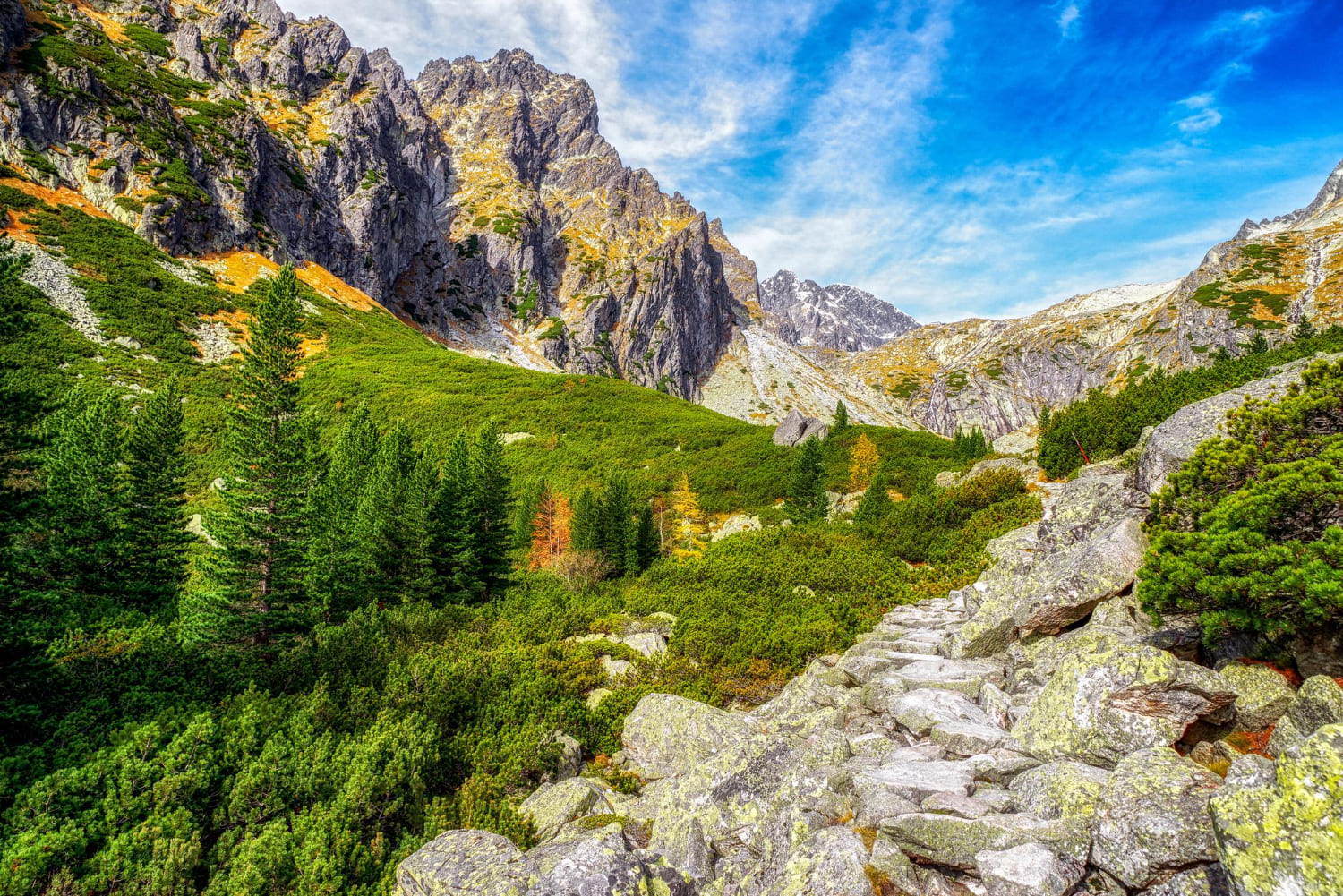
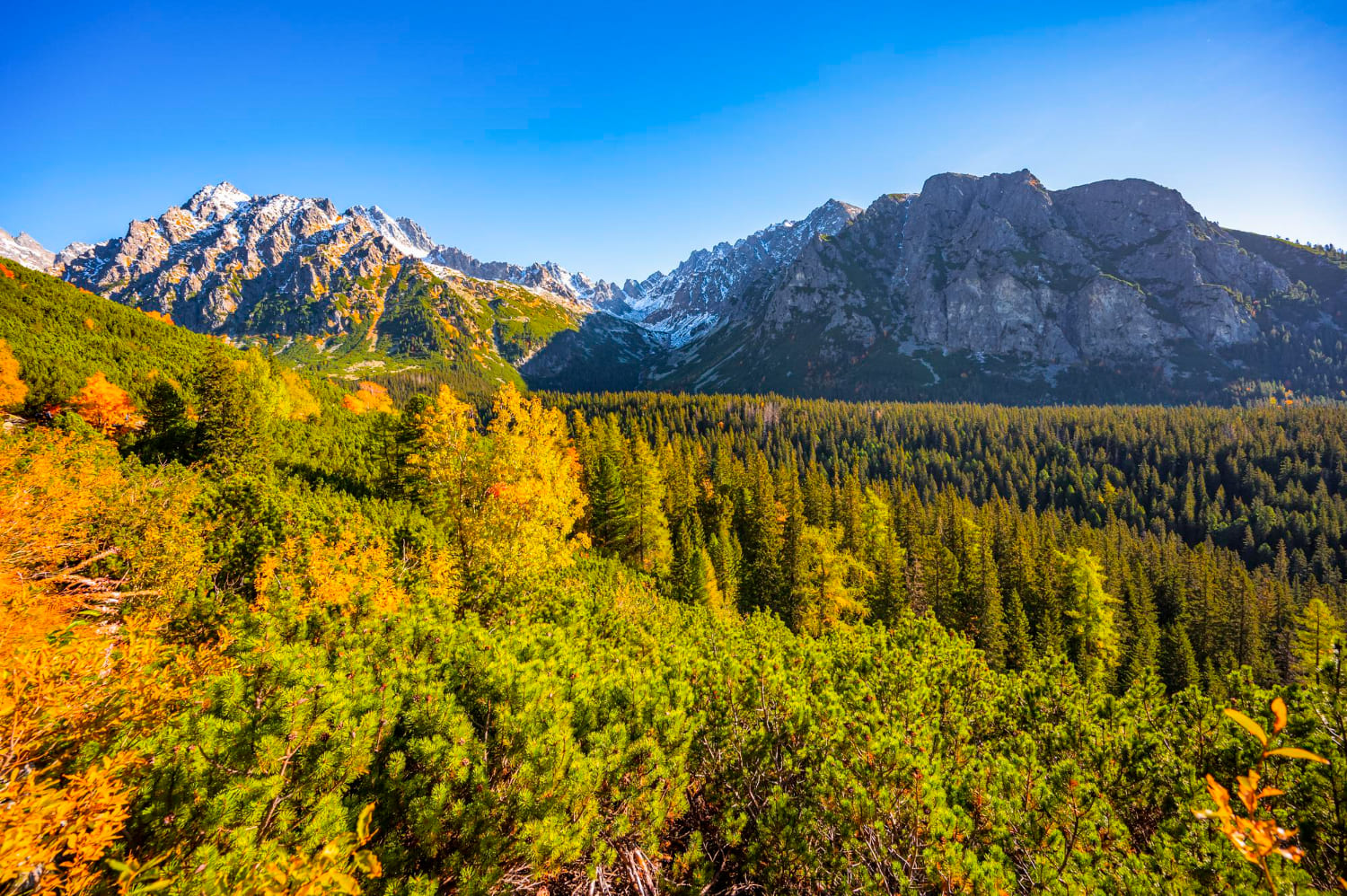
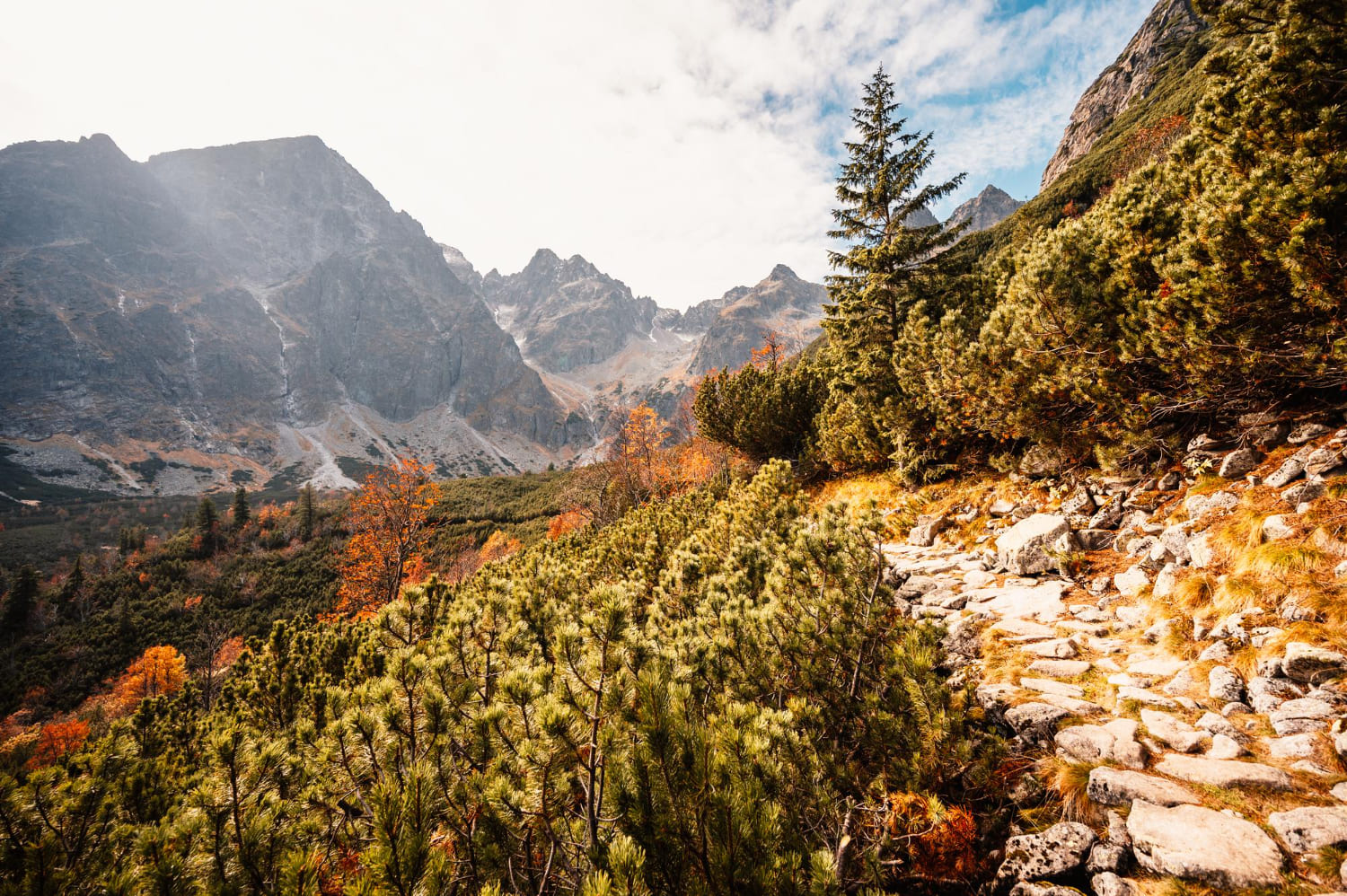
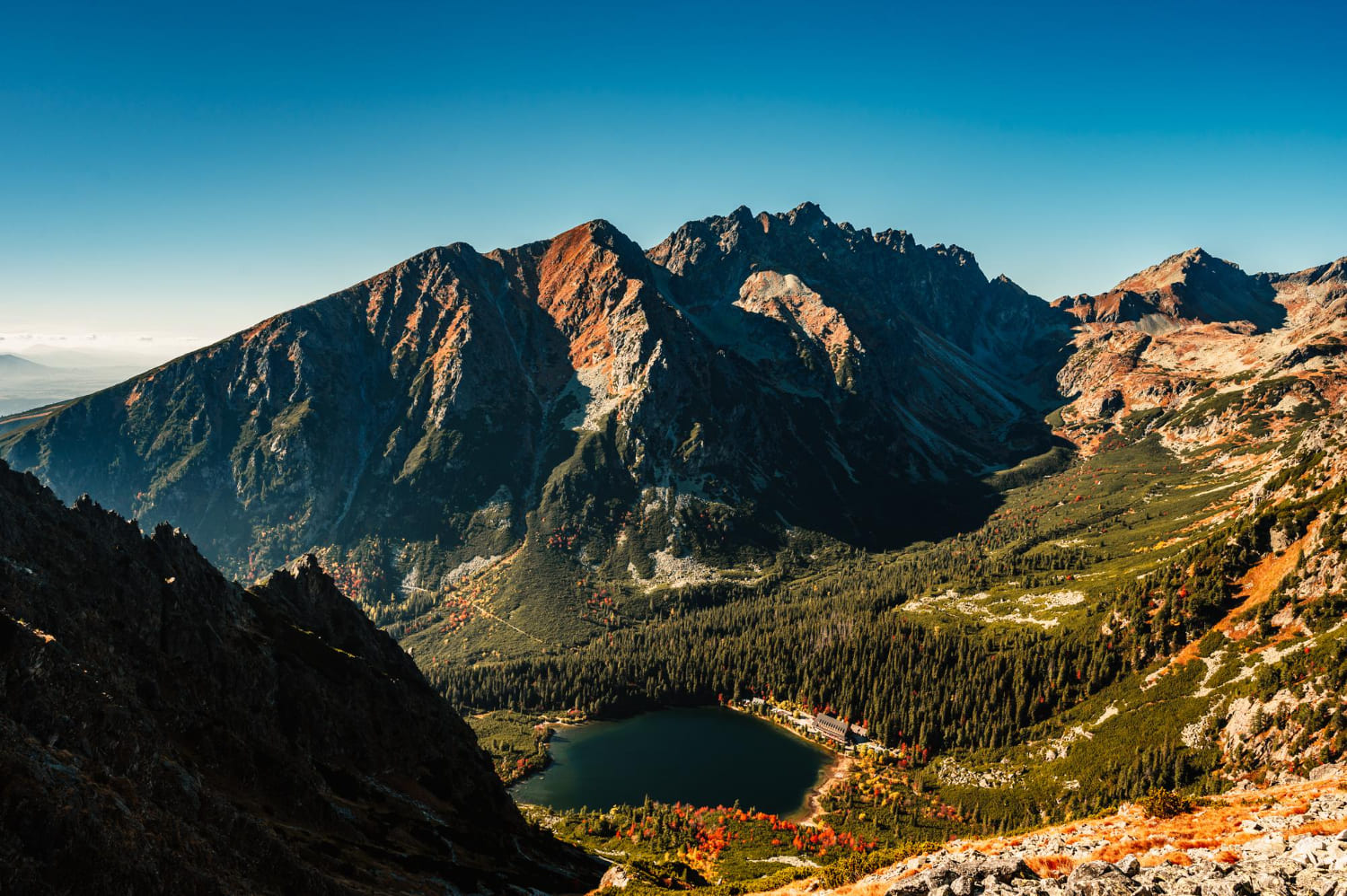
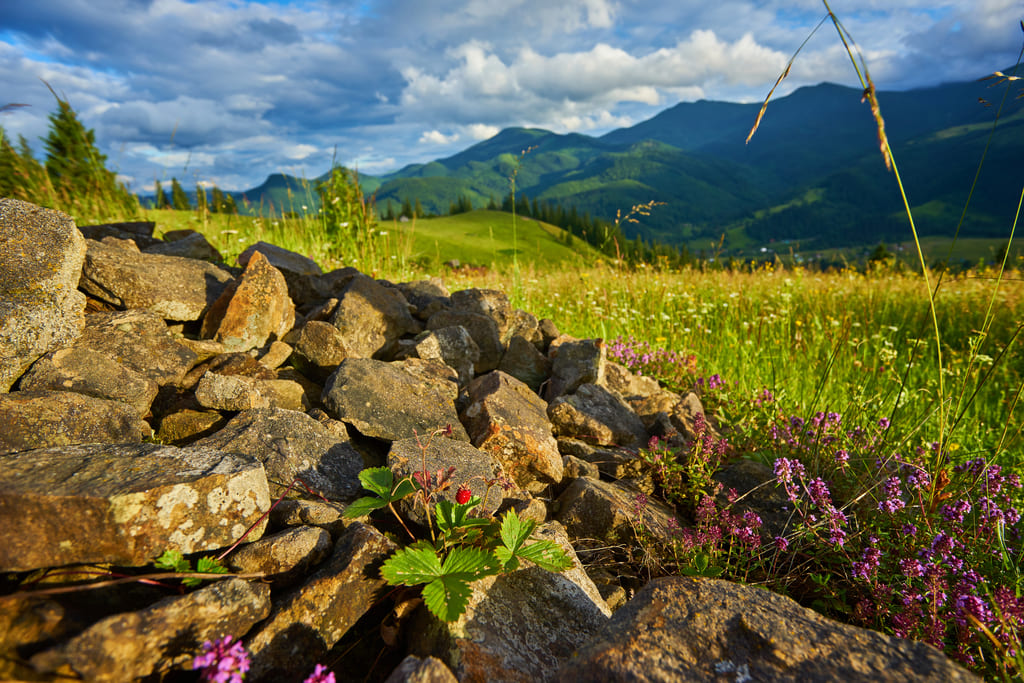
The flora of the Tatras is equally rich—more than 1,300 species of higher plants, many of which are endemic and grow exclusively on the slopes of the Tatras. With every 100 meters of elevation, the vegetation zone changes, and with it, the species composition of plants and animals. Mountain pine forests give way to spruce forests, and alpine meadows give way to rocky scree.
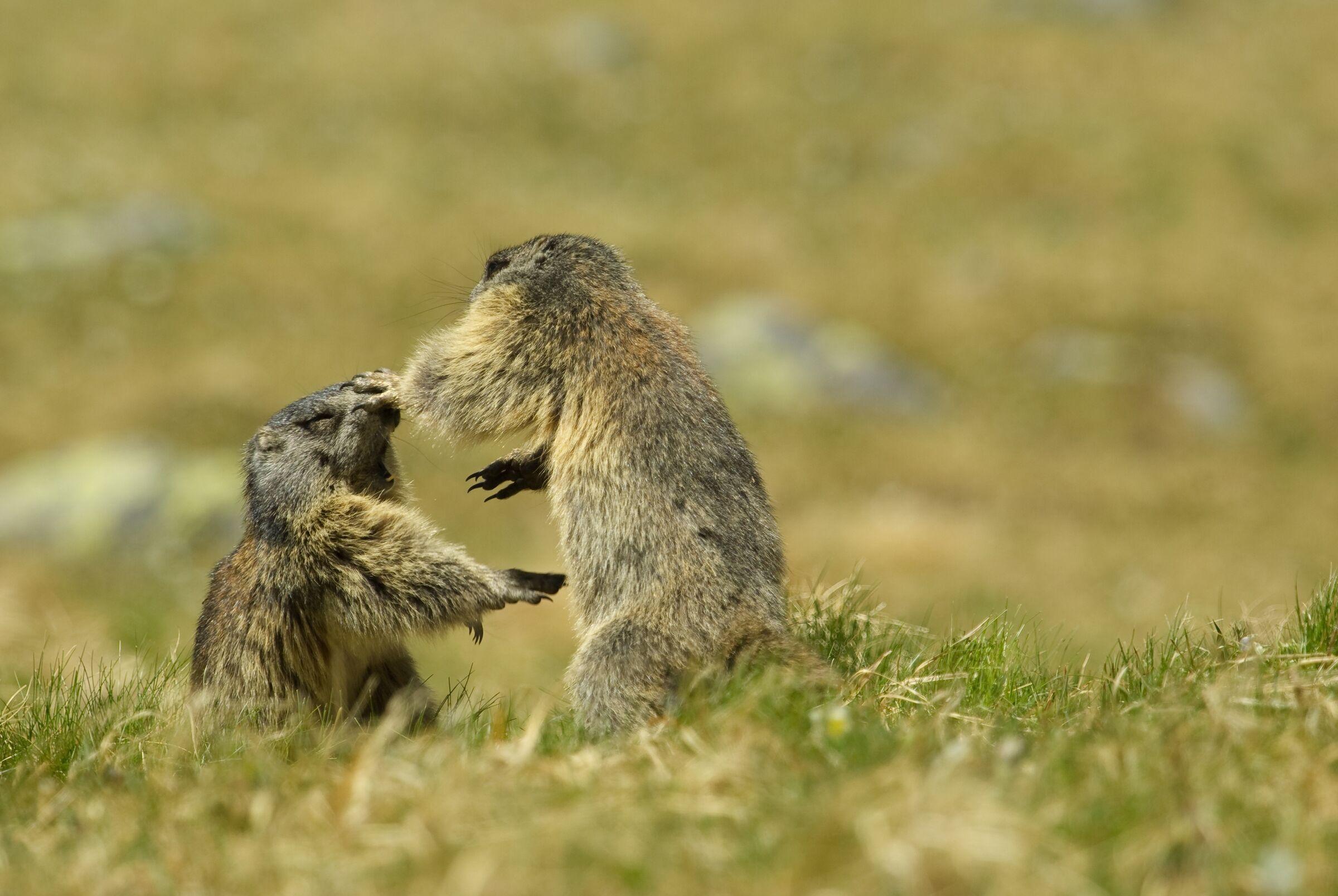
Species of vertebrates living in the region
Endemic and Endangered Species Under Protection
Vegetation zones from the foothills to the alpine peaks
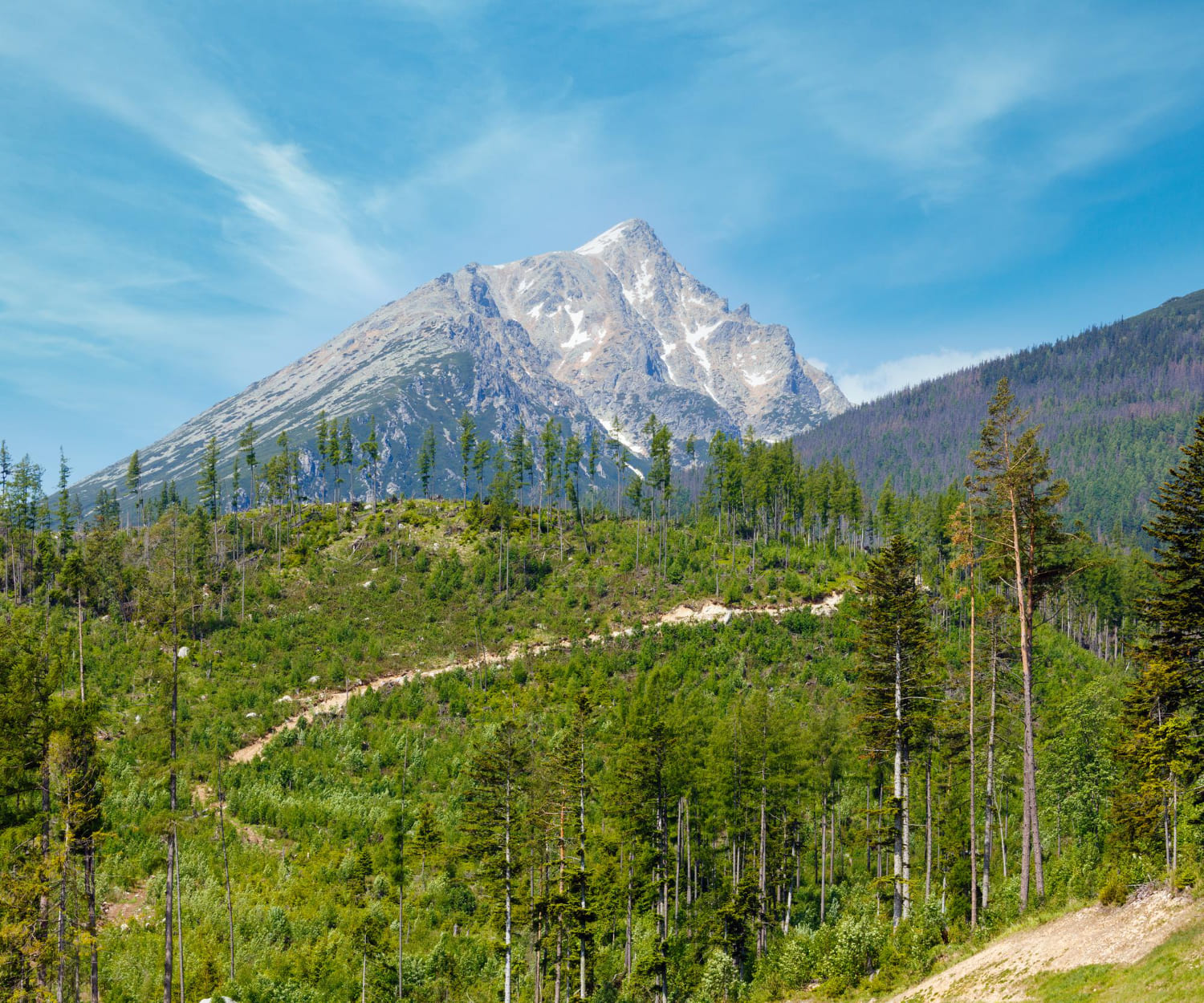
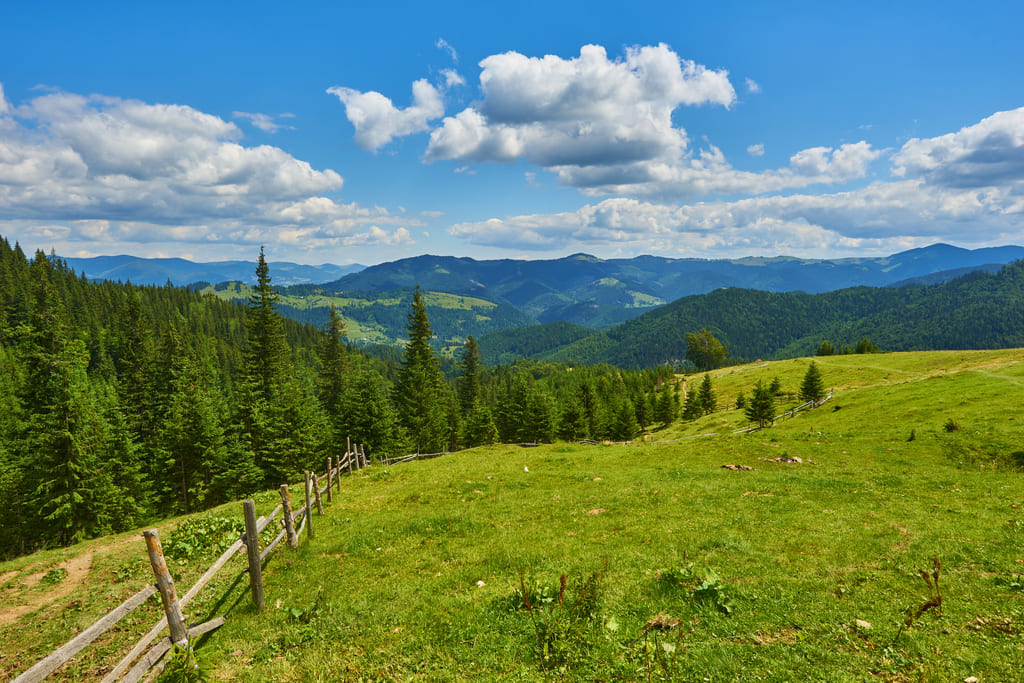
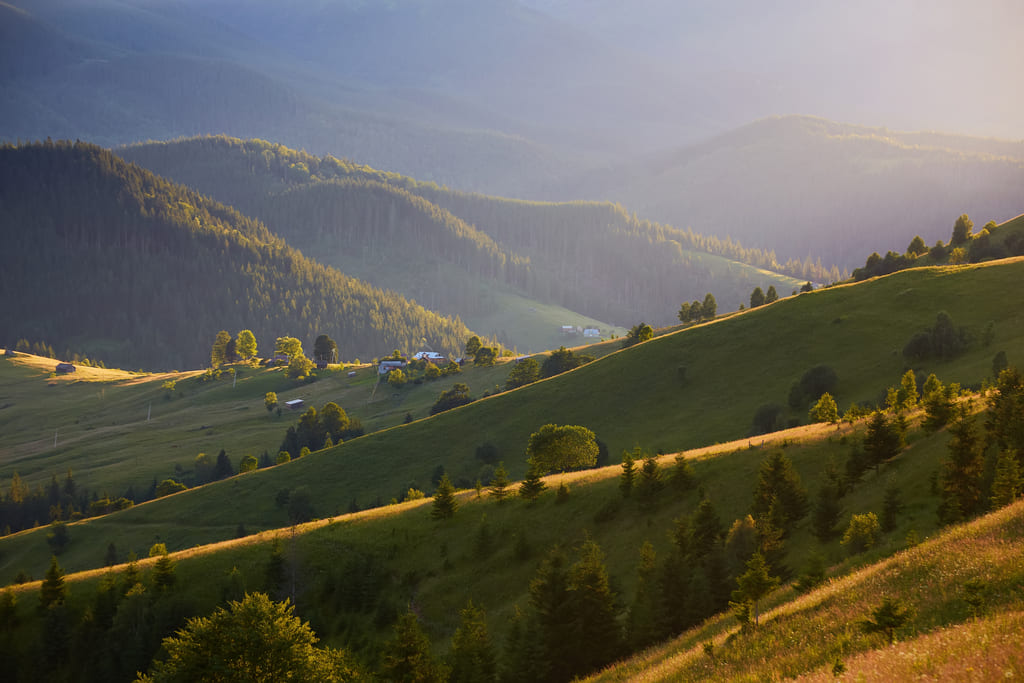
This is what it looks like here. Take a look


Must-See Places. Discover them one by one
Every corner of the High Tatras has its own story. Discover the places that shape the character of the region.
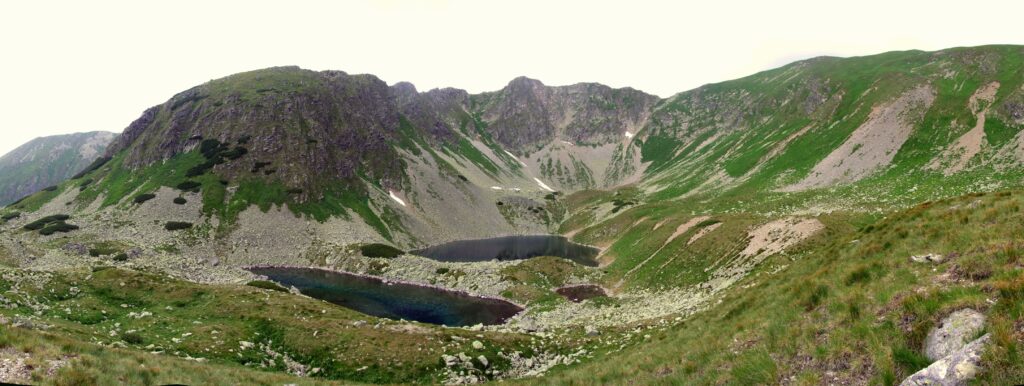


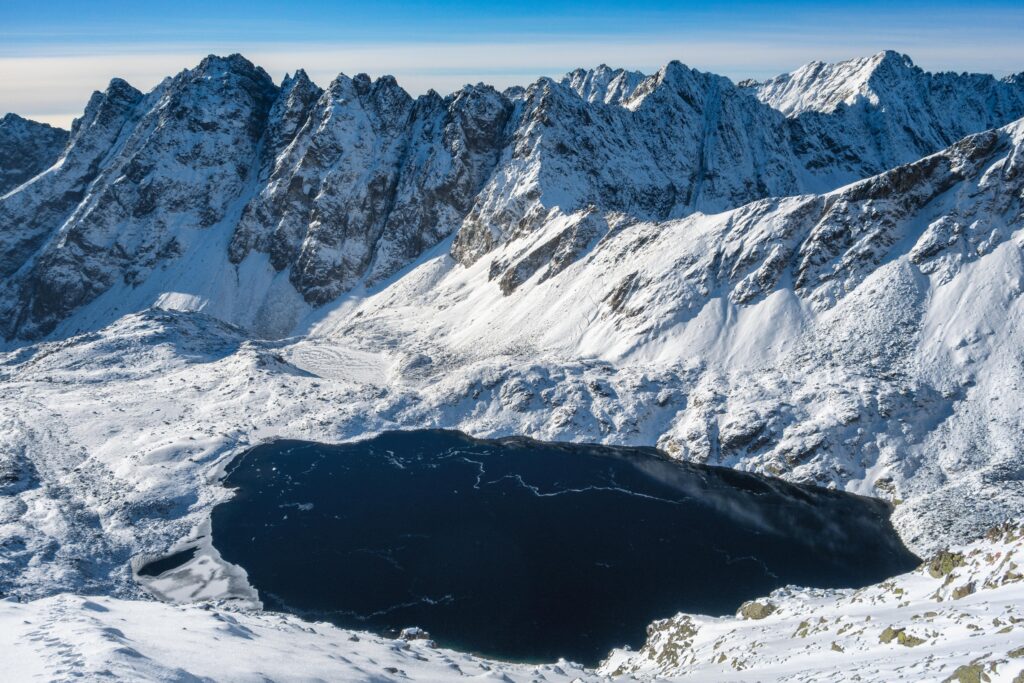


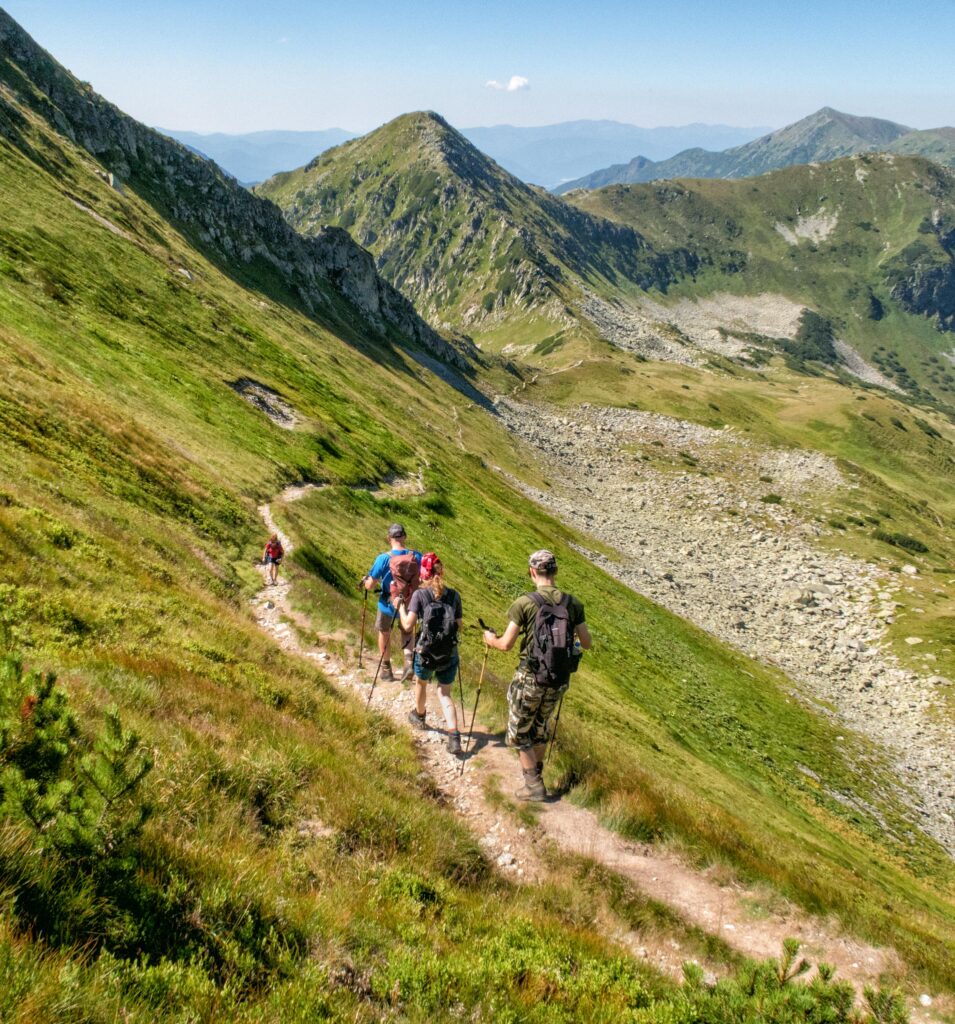


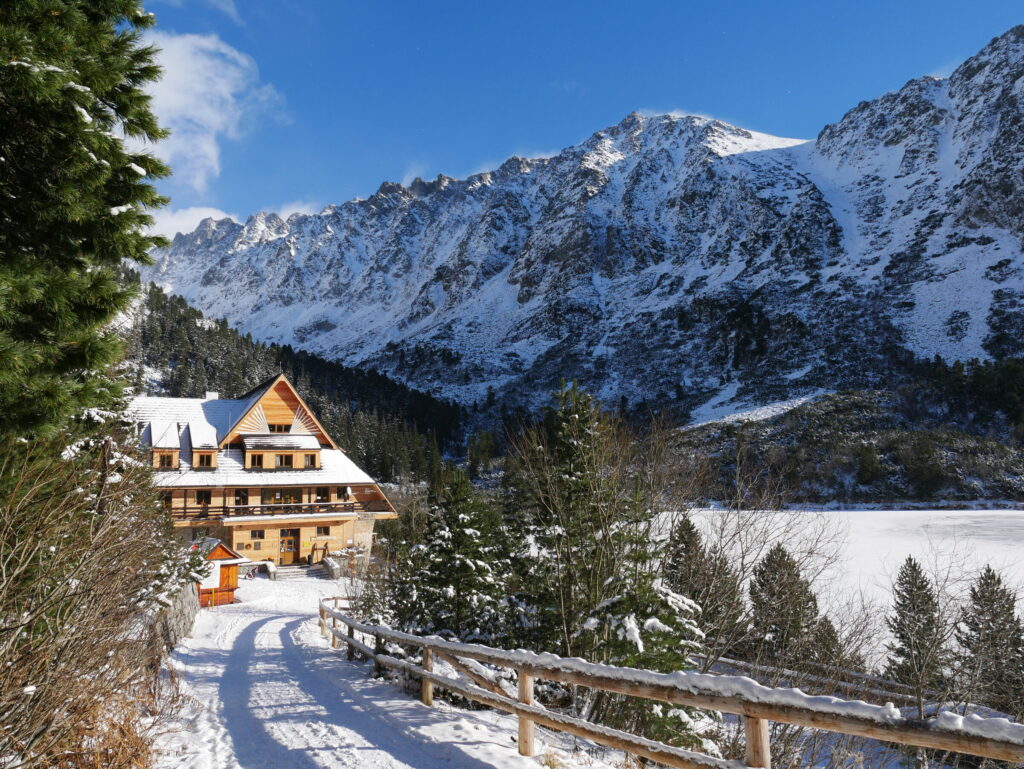

The Tatra Mountains wake up differently every day
Current conditions, upcoming events, and editorial recommendations. Everything you need to know before heading to the Tatras.

Webcams
Poprad
-4°C
Clear

Lomnický štít
-19°C
Fog

Tatranská Lomnica
-5°C
Partly cloudy

Starý Smokovec
-6°C
Clear
Hrebienok
-8°C
Clear
Štrbské Pleso
-9°C
Clear
Skalnaté pleso
-12°C
Clear
Solisko
-14°C
Mostly clear
Most sidewalks are open


The chairlifts are in operation

The bike trails are open


Everything You Need to Know Before Your Trip
Answers to the most frequently asked questions about the High Tatras region.
The High Tatras have something to offer all year round. The best time for high-altitude hiking is from June to October, when the hiking trails at higher elevations are open. Fall brings more stable weather, pleasant temperatures, and beautiful views. Winter is ideal for skiing, winter walks, and visiting locations that are accessible year-round. Before setting out on a trip, always check the current weather conditions and any trail closures.
You do not need a special permit for regular hiking on marked trails. However, you must comply with TANAP’s visitor regulations and seasonal closures, and you may only hike on open trails. Special rules apply, for example, to rock climbing, ski mountaineering, hiking off marked trails, or bringing a dog into the park.
You can easily reach the main Tatra resorts by train. The Tatra Electric Railways connect Poprad, Starý Smokovec, Štrbské Pleso, and Tatranská Lomnica. A cog railway runs from Štrba to Štrbské Pleso. You can also take advantage of regular bus routes and seasonal shuttle services in the region.
You can park in designated parking lots in the various Tatra villages. During peak periods, we recommend using the P+R park-and-ride lot at Eurocamp in Tatranská Lomnica and continuing by shuttle bus. From this parking lot, you can take public transportation to destinations such as Tatranská Lomnica, Tatranské Matliare, Biela Voda, or the Belianska Cave.
For hiking, choose sturdy hiking boots with non-slip soles that stabilize your feet and protect them on rocky or wet terrain. Your gear should also include weather-appropriate clothing and a rain jacket. Sandals and regular city shoes are not suitable for more demanding hikes.
When a storm is approaching, leave peaks, ridges, saddles, mountain passes, and open areas as soon as possible. Descend to lower elevations, avoid standing near isolated trees or metal objects, and keep your distance from other members of your group. If possible, take shelter in a mountain hut or a safe building. The best prevention is to check the weather forecast, set out early in the morning, and shorten or cancel your hike in a timely manner if conditions take a turn for the worse. Safety must take precedence over reaching your destination.