Štrbské Pleso
Štrbské Pleso



Year the settlement was founded
Elevation of the settlement
World Ski Championships
The highest-altitude village in the Tatra Mountains, where the tranquil surface of the lake blends with mountain hikes and a rich sporting history
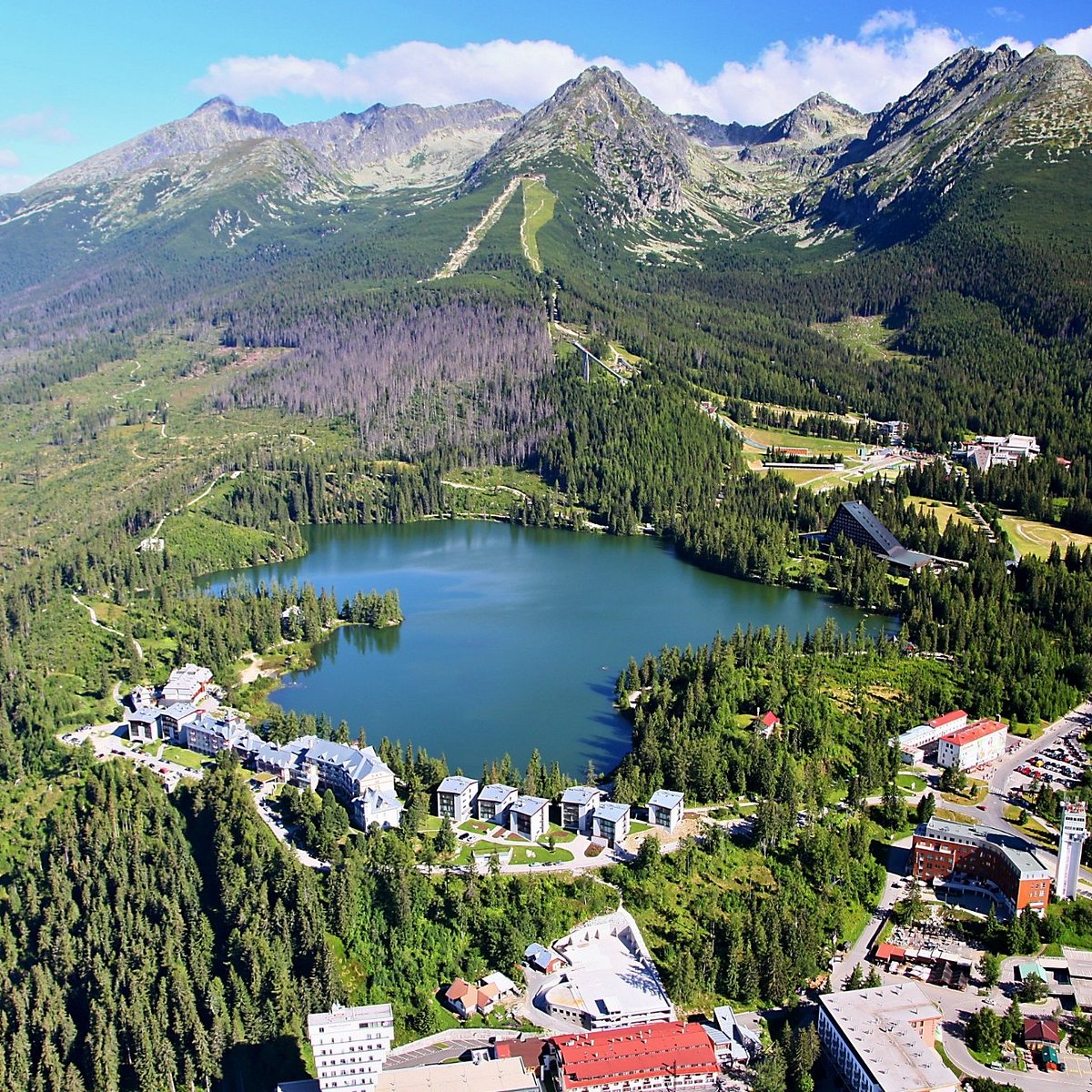
The origins of Štrbské Pleso date back to 1872, when landowner Jozef Szentiványi had Jozef’s Cottage built on the shore of the lake. Three years later, a tourist lodge was established here, marking the birth of a new settlement. Its development was spurred by the construction of the Košice–Bohumín Railway and, later, the steam cog railway, which connected Štrbské Pleso with Štrba in 1896.
By the end of the 19th century, there were already about 15 recreational facilities around the lake, and in 1906, the Grandhotel Štrbské Pleso was completed. Thanks to its high-mountain climate, the settlement gradually became a recognized health resort. It experienced significant growth ahead of the 1970 World Championships in classical skiing disciplines, when a new sports complex and additional lodging facilities were built here.
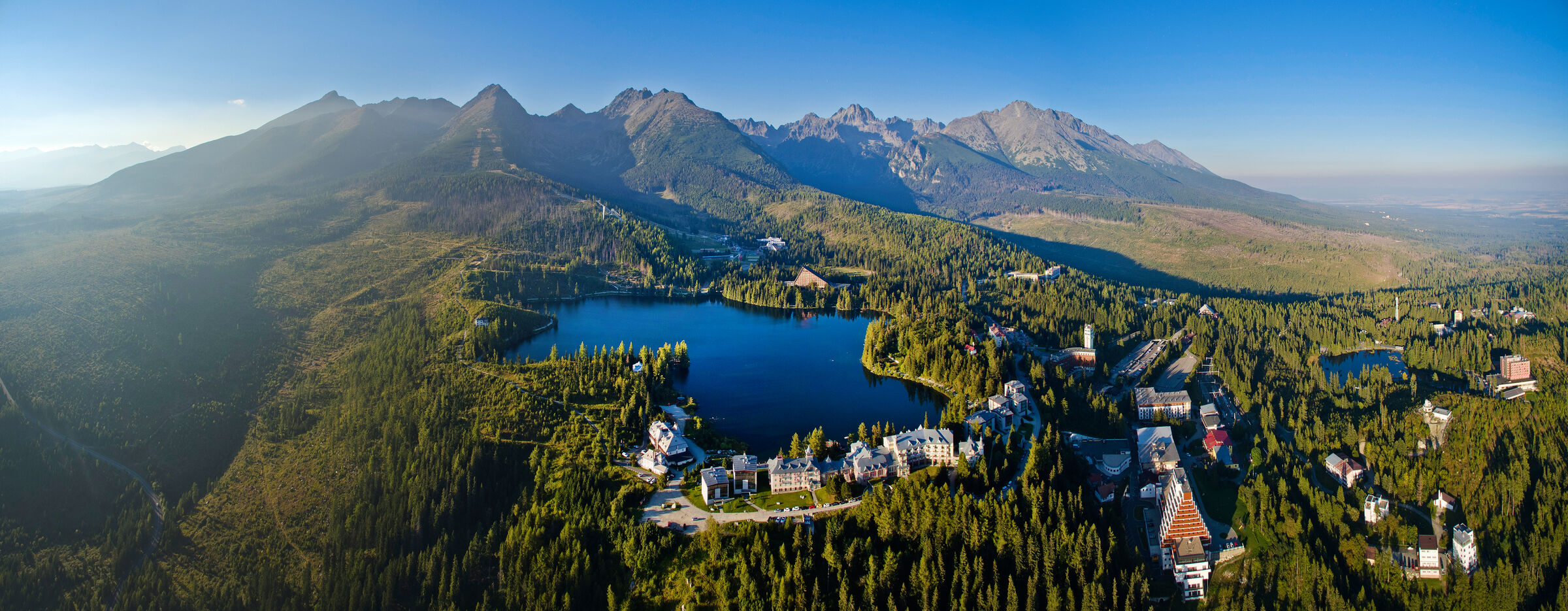
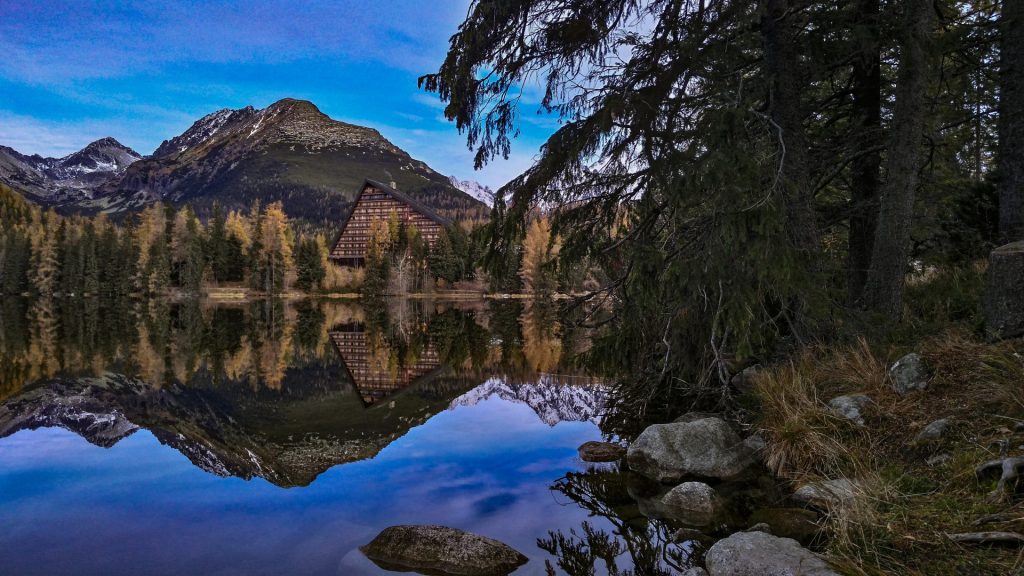
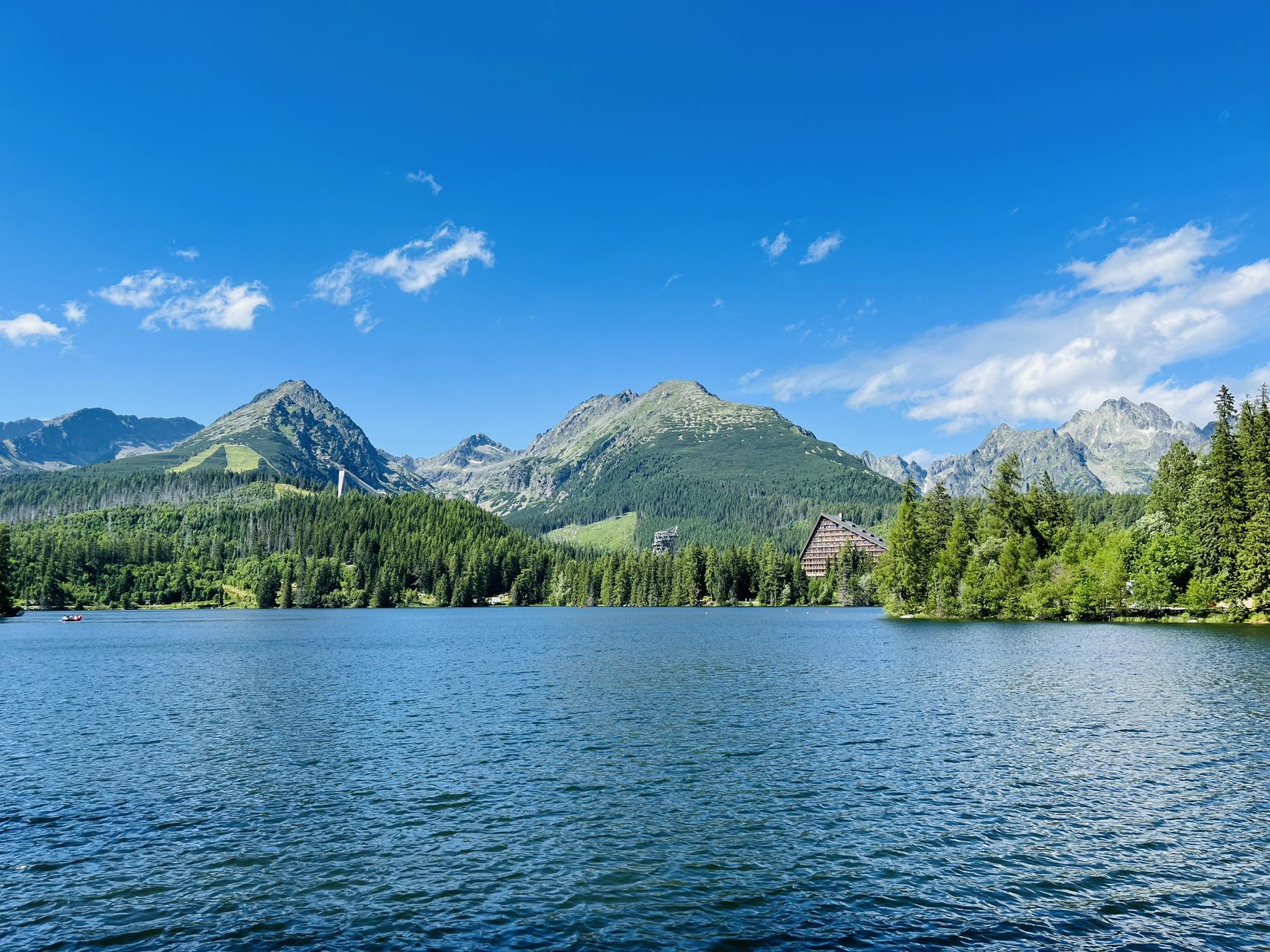
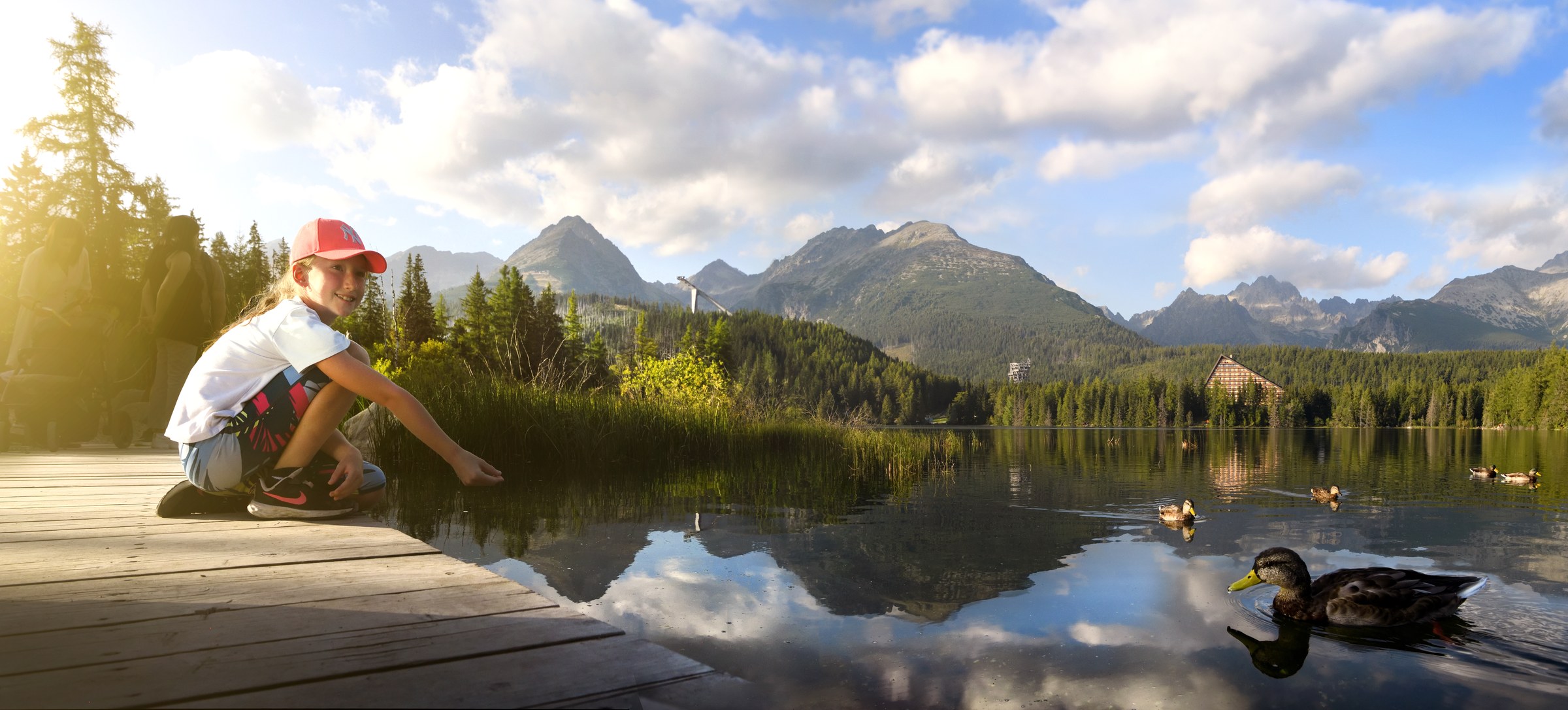
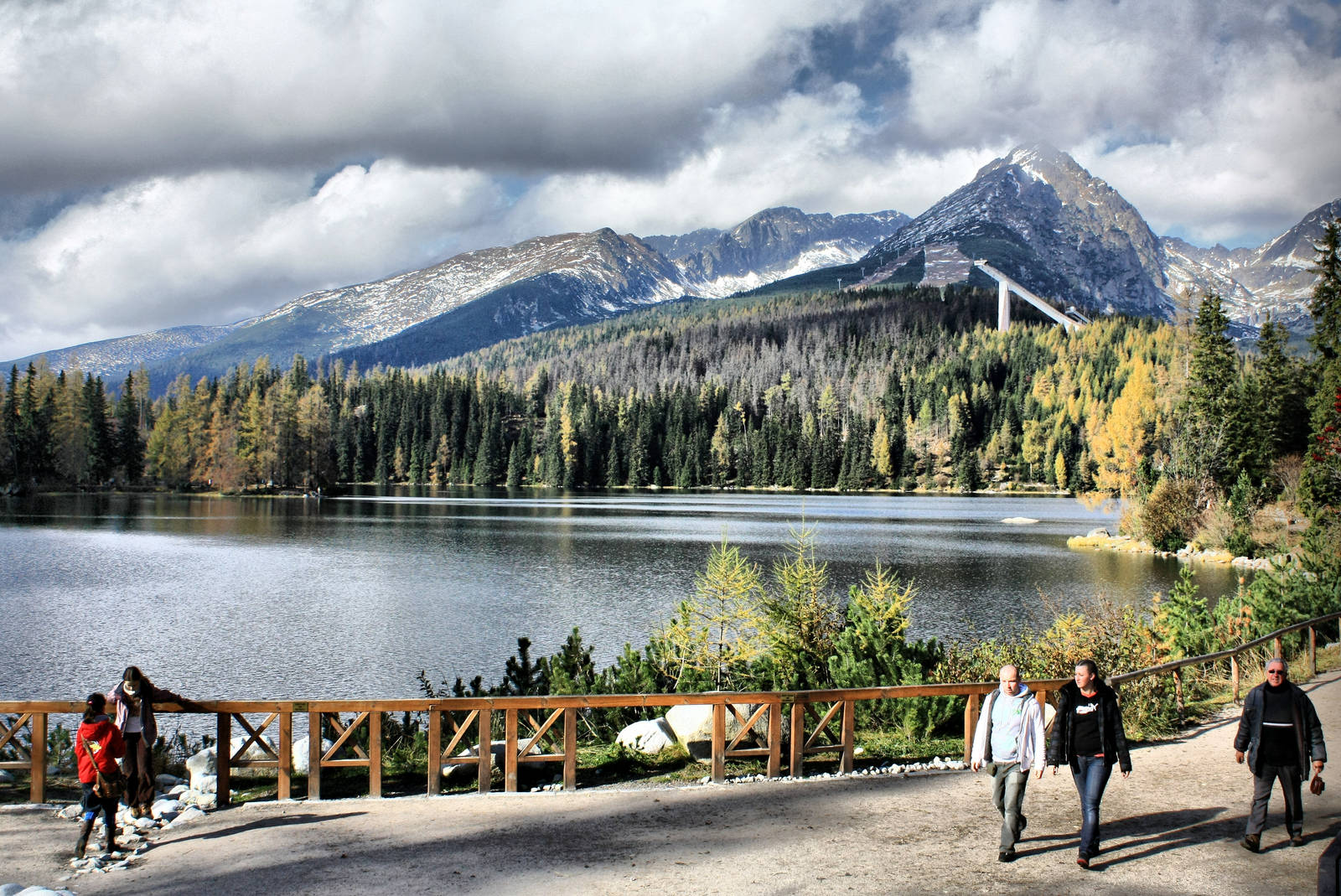
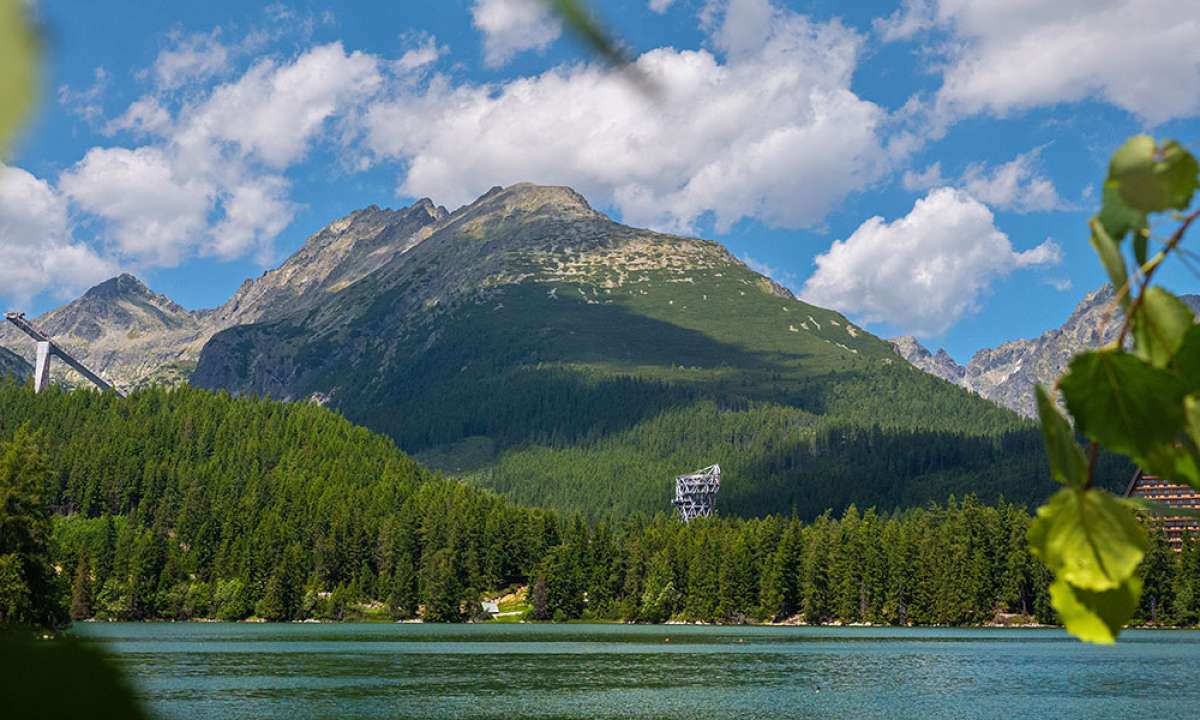
The village is dominated by a moraine lake of glacial origin—Štrbské Pleso. It reaches a depth of approximately 20 meters and is covered with ice an average of 155 days a year. Today, Štrbské Pleso is one of the most popular tourist and sports destinations in the High Tatras. You can take a walk around the lake, go boating in the summer, take the cable car up to Solisko, or continue on hikes to the Mlynická and Mengusovská valleys.

What We Offer

What do you need to know before you arrive?
Please read this before your visit
You can easily reach Štrbské Pleso by taking the Tatra Electric Railway or the cog railway from Tatranská Štrba. Parking is subject to a fee and may be full during peak season, so we recommend checking the current parking options.
The operating hours of the Solisko cable car vary depending on the season, weather, and technical maintenance. Boating on the lake is a seasonal activity and may be temporarily suspended due to unfavorable weather conditions. Please check the current cable car operating status before your visit.
If you're planning a high-altitude hike, check the weather, trail conditions, and seasonal restrictions before you set out. Selected high-altitude trails are generally closed from November 1 through May 31. You can find the current rules on the TANAP Administration website.
Where to Stay in the Area
Plan a comfortable stay—choose accommodations near this location and enjoy the region to the fullest without unnecessary travel.


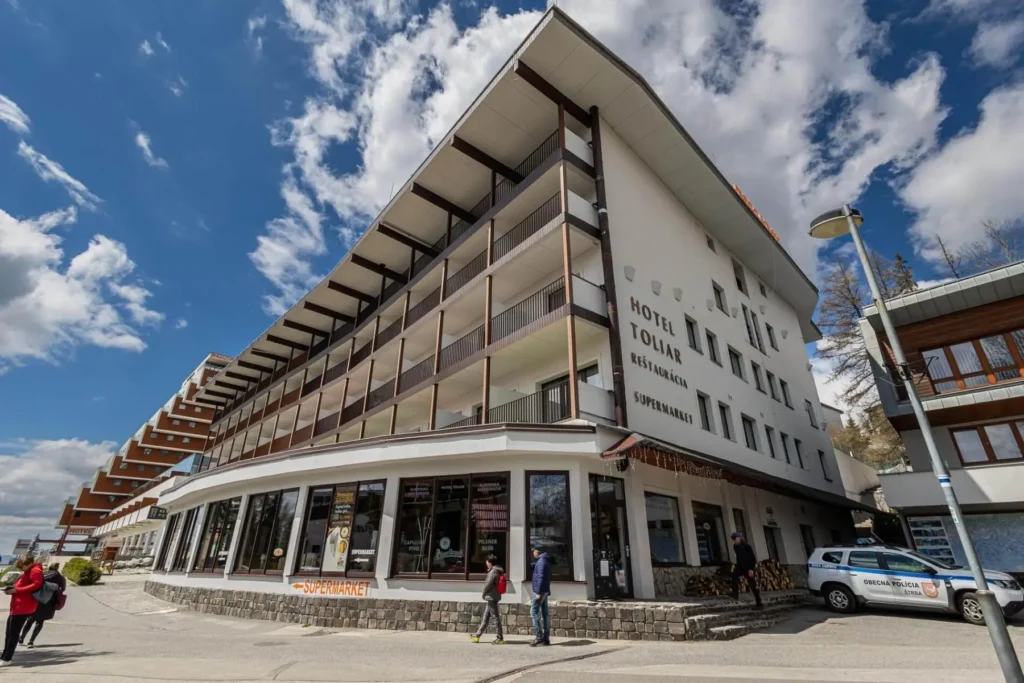
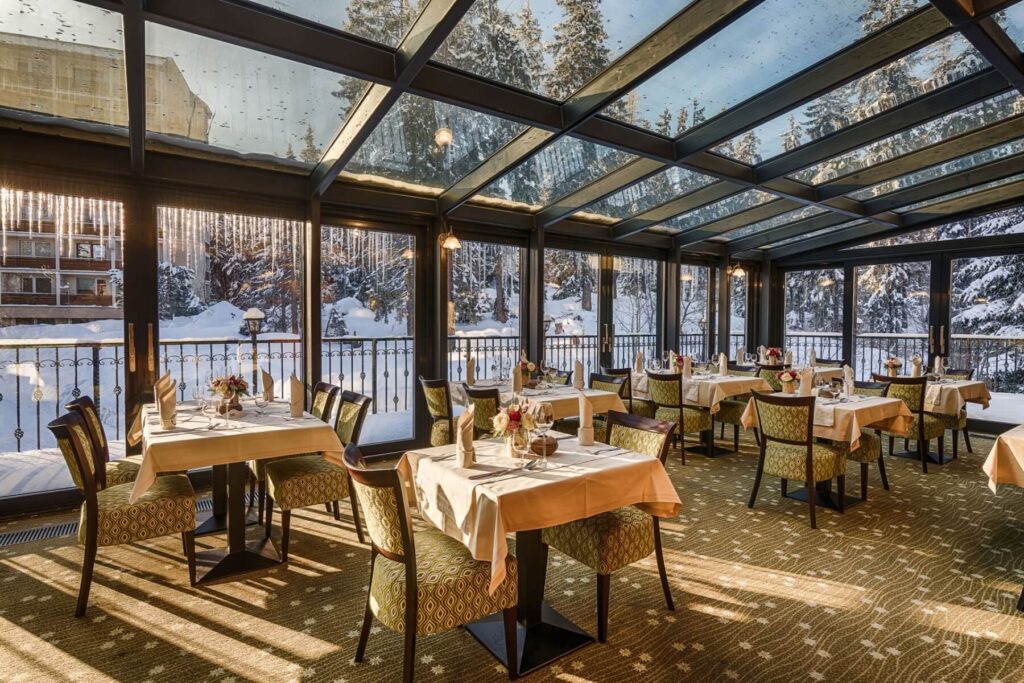
Where to Eat in the Area


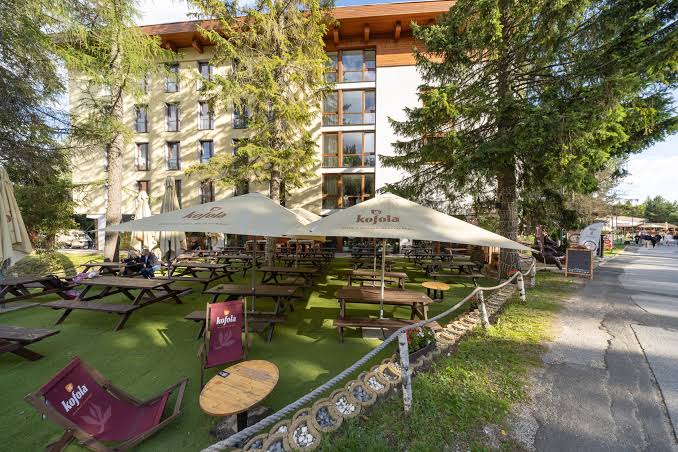

That's how it looks here. Take a look
Discover other cities and towns in the region
Every town and village in the Tatra Mountains has its own history, character, and atmosphere—explore other destinations worth visiting.


Must-See Places: Discover One Place at a Time
Every corner of the High Tatras has its own story. Discover the places that shape the character of the region.



The Tatra Mountains wake up differently every day
Current conditions, upcoming events, and editorial recommendations. Everything you need to know before heading to the Tatras.

Webcams
Poprad
-2°C
Mostly clear

Lomnický štít
-10°C
Clear

Tatranská Lomnica
-2°C
Clear
Starý Smokovec
0°C
Mostly clear
Hrebienok
-1°C
Mostly clear
Štrbské Pleso
0°C
Clear
Skalnaté pleso
-2°C
Clear
Solisko
-3°C
Clear


Everything You Need to Know Before Your Trip
Answers to the most frequently asked questions about the High Tatras region.