Roman Catholic Church of St. Egidius

The Most Valuable Historical Landmark in the Center of Poprad

Roman Catholic Church of St. Egidius
Poprad
13th century

The Period When the Church Was Built

15th century

Rare fresco decorations

The Tatra Mountains in a Fresco

Their oldest known depiction

A church that holds centuries of Poprad's history

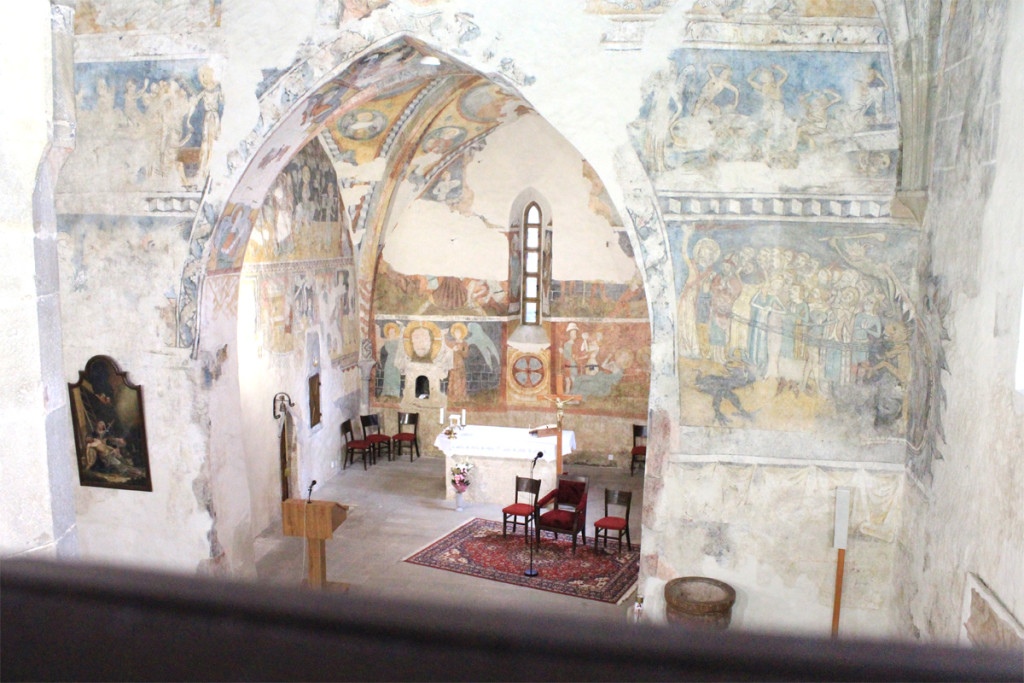
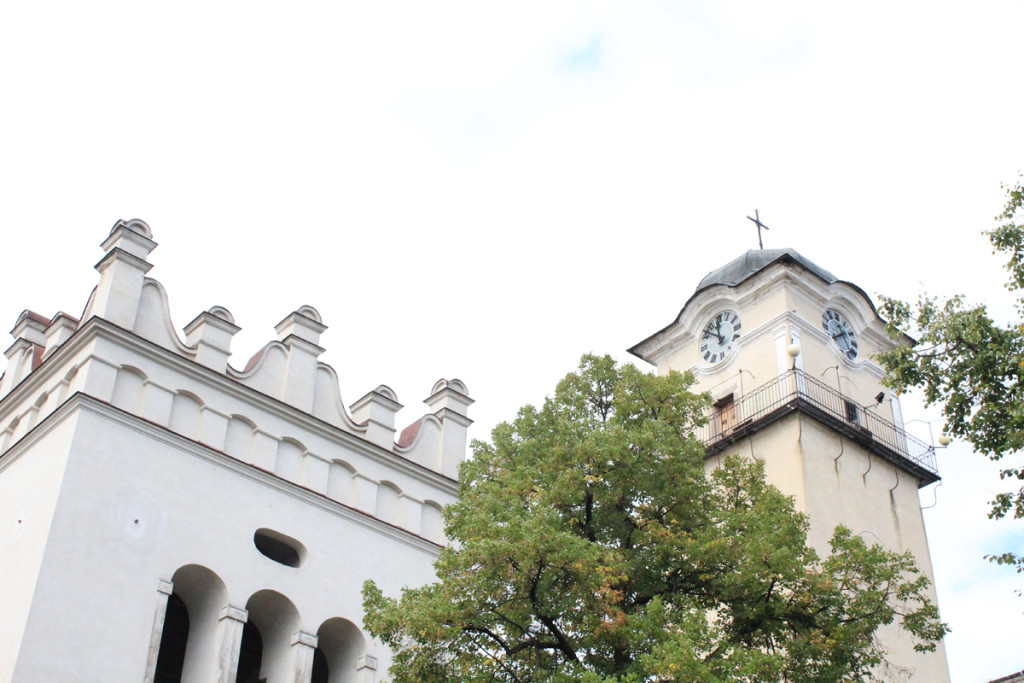
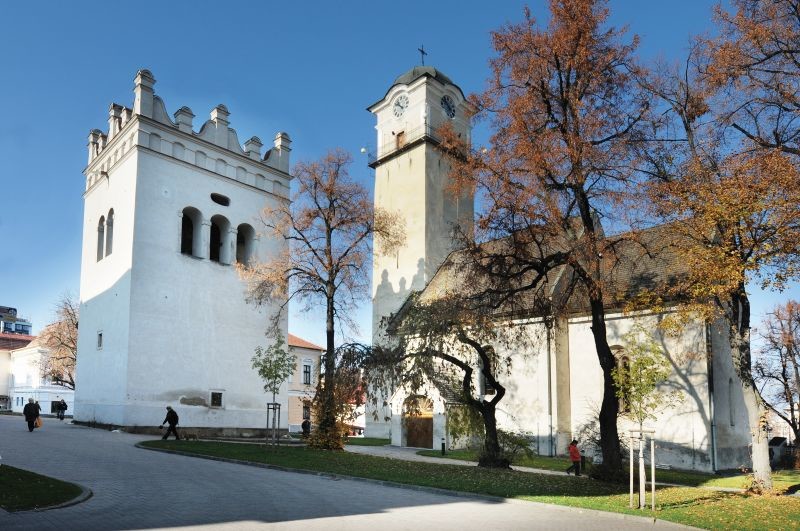
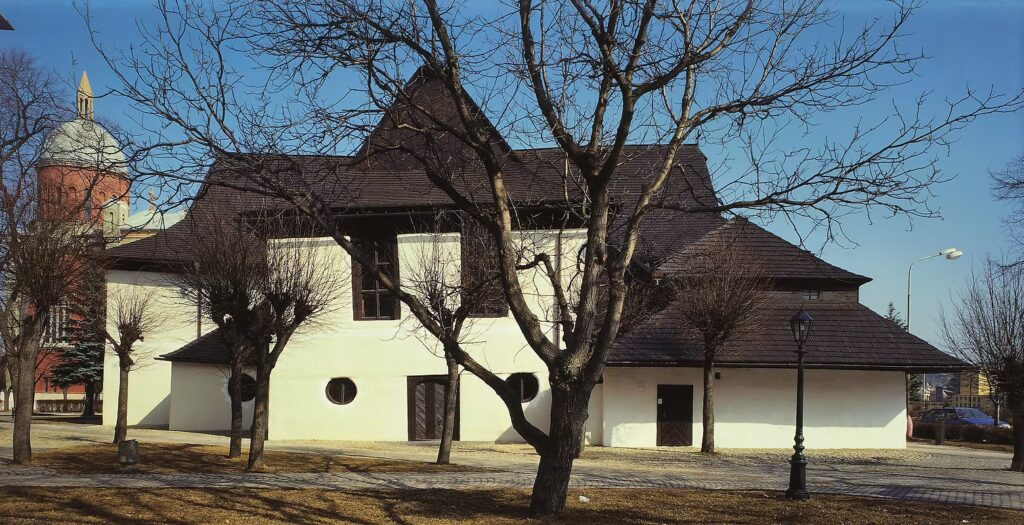
The Church of St. Egidius stands directly on the square of the same name and is one of Poprad’s oldest and most valuable historical monuments. Originally a Gothic structure, it was built in the 13th century and has undergone several renovations throughout its history. Its current appearance is complemented by a Baroque narthex, a massive tower with a wooden gallery, and an interior featuring Gothic ribbed vaults.

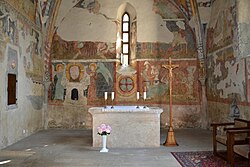
The church’s greatest treasures are the restored 15th-century frescoes, which cover nearly the entire walls. They depict biblical scenes, the lives of saints, and Old Testament themes. Of exceptional rarity is the painting on the triumphal arch, which features the oldest known depiction of the High Tatras.

Also worthy of attention are the Renaissance red marble baptismal font from 1646, the Baroque pulpit, and the late Baroque high altar featuring a painting of Saint Egidius.

Gothic double-nave space
Baptismal font from 1646
Historical Wall Frescoes
What We Offer
15th-century frescoes
Gothic Architecture
Renaissance Baptismal Font
Historic Tower

Discover more of the region's cultural and historical treasures

Explore the museums, galleries, religious sites, and traditions that together make up the rich cultural heritage of this exceptional region.

The Tatra Mountains wake up differently every day

Current conditions, upcoming events, and editorial recommendations. Everything you need to know before heading to the Tatras.

Webcams

Most sidewalks are open
The chairlifts are in operation
The bike trails are open

Everything You Need to Know Before Your Trip

Answers to the most frequently asked questions about the High Tatras region.

    The Tatras directly to your inbox

    Once in a while, we'll send you the best.

    The High Tatras have something to offer all year round. The best time for high-altitude hiking is from June to October, when the hiking trails at higher elevations are open. Fall brings more stable weather, pleasant temperatures, and beautiful views. Winter is ideal for skiing, winter walks, and visiting locations that are accessible year-round. Before setting out on a trip, always check the current weather conditions and any trail closures.

    You do not need a special permit for regular hiking on marked trails. However, you must comply with TANAP’s visitor regulations and seasonal closures, and you may only hike on open trails. Special rules apply, for example, to rock climbing, ski mountaineering, hiking off marked trails, or bringing a dog into the park.

    You can easily reach the main Tatra resorts by train. The Tatra Electric Railways connect Poprad, Starý Smokovec, Štrbské Pleso, and Tatranská Lomnica. A cog railway runs from Štrba to Štrbské Pleso. You can also take advantage of regular bus routes and seasonal shuttle services in the region.

    You can park in designated parking lots in the various Tatra villages. During peak periods, we recommend using the P+R park-and-ride lot at Eurocamp in Tatranská Lomnica and continuing by shuttle bus. From this parking lot, you can take public transportation to destinations such as Tatranská Lomnica, Tatranské Matliare, Biela Voda, or the Belianska Cave.

    For hiking, choose sturdy hiking boots with non-slip soles that stabilize your feet and protect them on rocky or wet terrain. Your gear should also include weather-appropriate clothing and a rain jacket. Sandals and regular city shoes are not suitable for more demanding hikes.

    When a storm is approaching, leave peaks, ridges, saddles, mountain passes, and open areas as soon as possible. Descend to lower elevations, avoid standing near isolated trees or metal objects, and keep your distance from other members of your group. If possible, take shelter in a mountain hut or a safe building. The best prevention is to check the weather forecast, set out early in the morning, and shorten or cancel your hike in a timely manner if conditions take a turn for the worse. Safety must take precedence over reaching your destination.