Spišské Podhradie

The town where the history of Spiš was written beneath the castle walls

Spišské Podhradie
1249

First written mention

430 meters above sea level

Elevation of the city

1993

Inscription of the Site on the UNESCO List

A historic town set in a unique World Heritage landscape

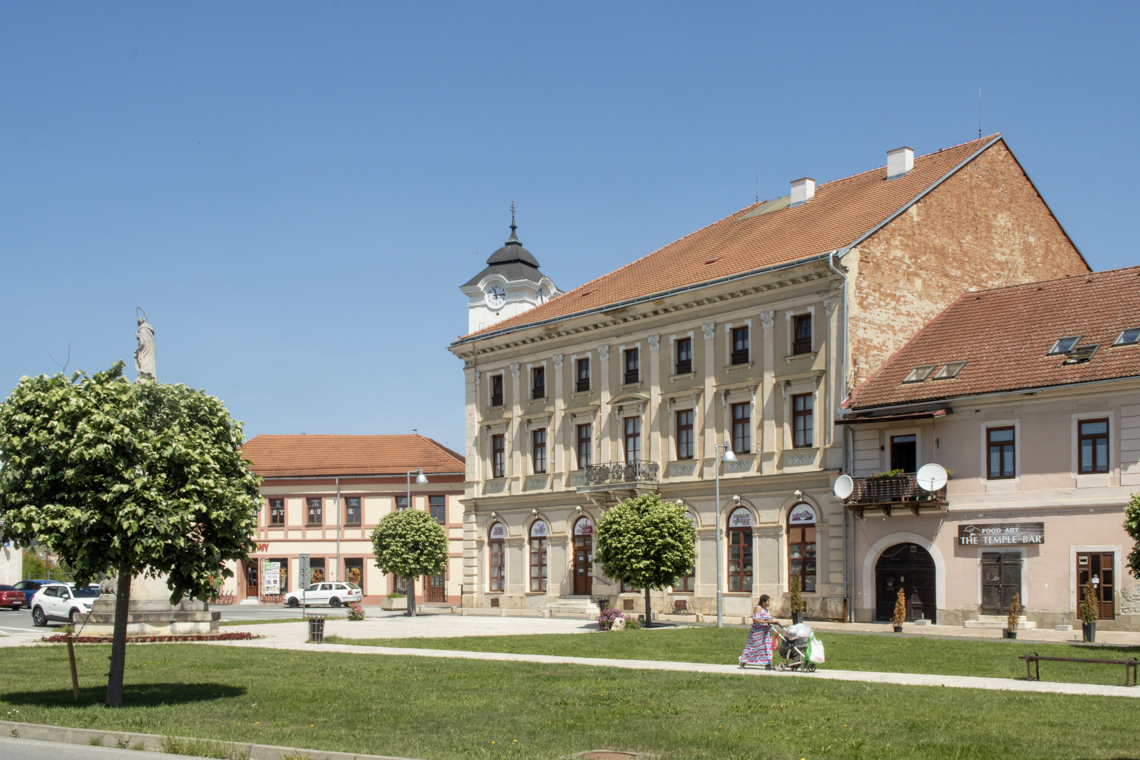
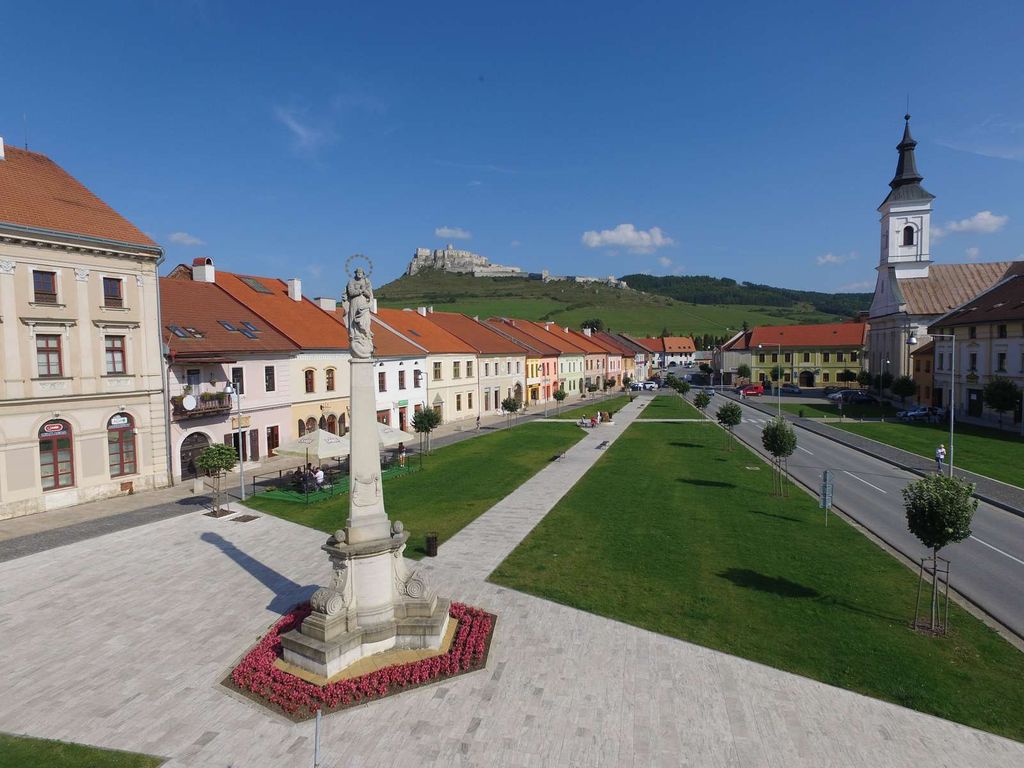
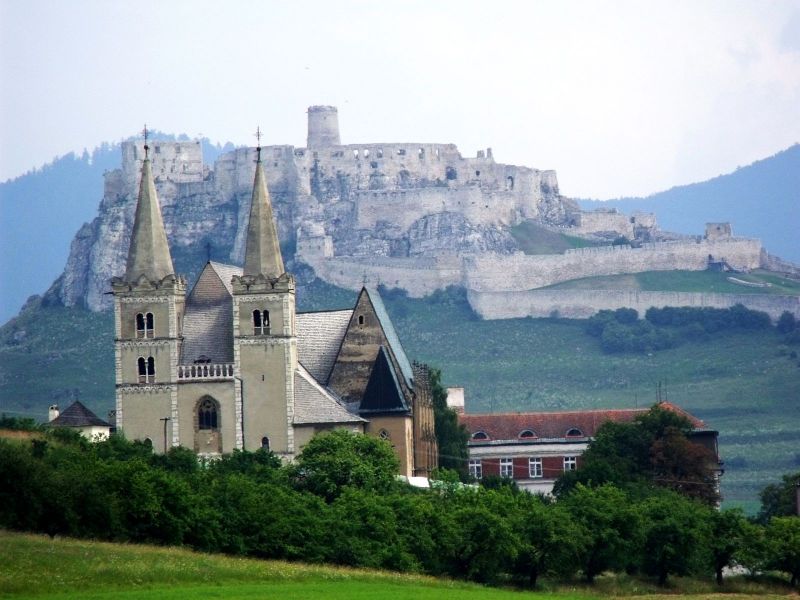
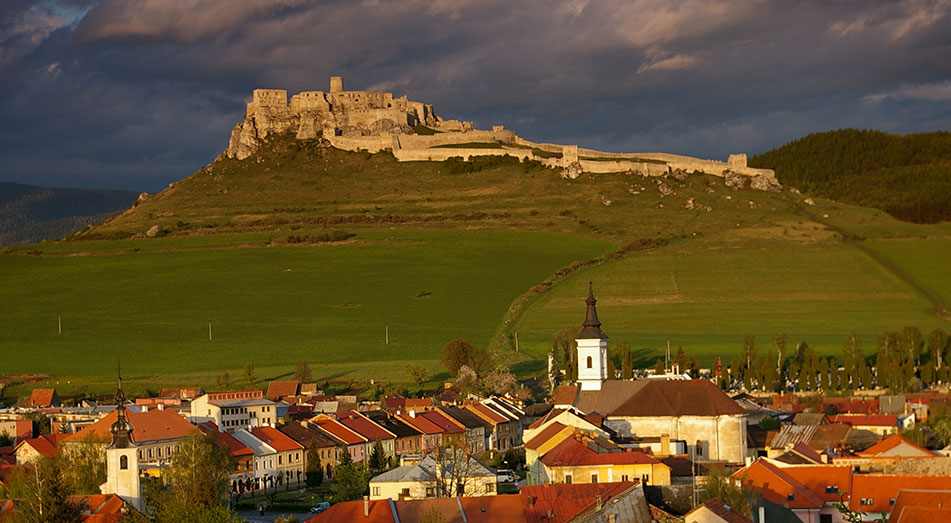
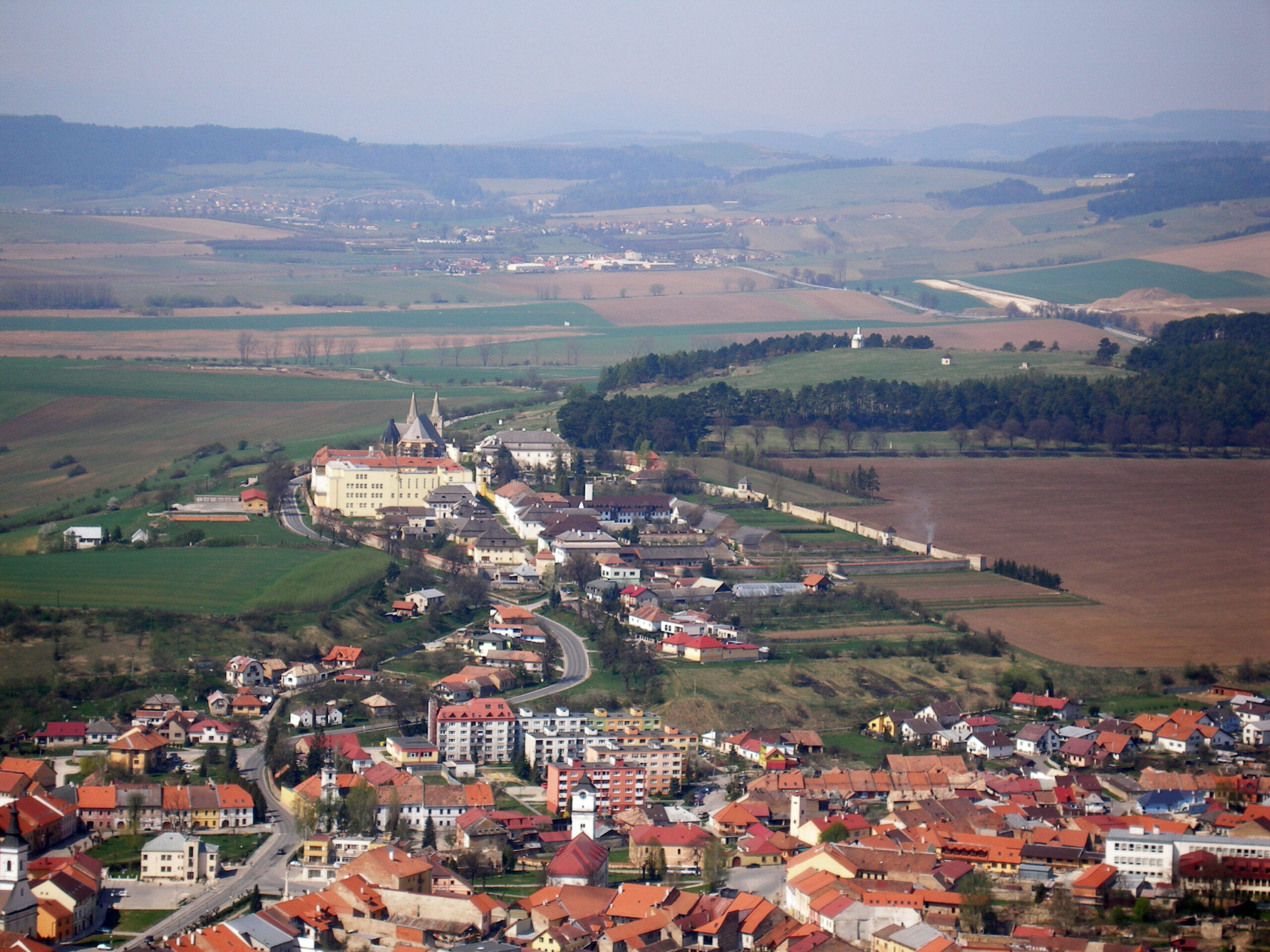
Spišské Podhradie grew up in the shadow of the majestic Spiš Castle, with which its development has been closely linked for centuries. The first written mention of the town dates back to 1249. Its historic character is still evident today in the Renaissance and Baroque townhouses lining Mariánske and Palešovo Squares.

Together with Spiš Castle, the Spiš Chapter, and the Church of the Holy Spirit in Žehra, the town forms a unique complex of monuments inscribed on the UNESCO World Heritage List. During your visit, you can explore the historic squares, the Church of the Nativity of the Virgin Mary, the synagogue, Spiš Jerusalem, and the natural sites of Sivá Brada and Dreveník.

The city is open year-round
What We Offer
Tourist Information Center
Historic Squares and Religious Landmarks
Hiking Trails to Spiš Castle
Nature Trails Around Sivá Brada
What do you need to know before you arrive?
Please check the opening hours of Spiš Castle and other attractions in advance
Some historic sites charge an admission fee
The trail to Spiš Castle goes uphill and requires sturdy shoes
The interiors of religious monuments may not be open to the public all day
Parking may be limited during peak season
Set aside a full day for a tour of the town, the castle, and Spišská Kapitula

Please read this before your visit

Hours and Admission

The hours of operation for Spiš Castle, the synagogue, and other attractions may vary by season. Please check the current availability of tours and admission prices before your visit.

Parking and Getting Around the City

The historic center is easy to explore on foot. The trail to Spiš Castle is uphill, so we recommend wearing comfortable, sturdy shoes. Please park only in designated areas.

Sights and Nature in the Surrounding Area

Spiš Castle, Spišská Kapitula, and Spišské Podhradie are all worth a visit on their own. You can extend your trip to include Spišský Jeruzalem, the Sivá Brada travertine mound, or the nature trail leading to Dreveník.

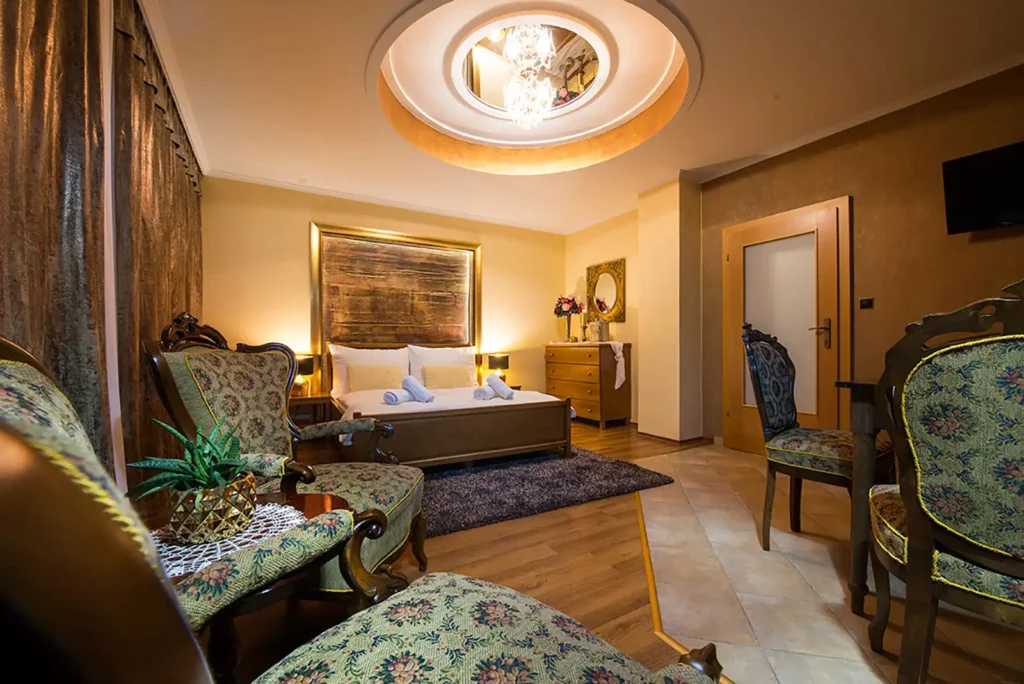
Where to Stay in the Area

Plan a comfortable stay—choose accommodations near this location and enjoy the region to the fullest without unnecessary travel.

Where to Eat in the Area

From traditional Tatra mountain huts to modern restaurants with mountain views—discover the local cuisine and plan where you’ll treat yourself to a well-deserved break with a good meal after your trip.

The Tatra Mountains wake up differently every day

Current conditions, upcoming events, and editorial recommendations. Everything you need to know before heading to the Tatras.

Webcams

Most sidewalks are open
The chairlifts are in operation
The bike trails are open

Everything You Need to Know Before Your Trip

Answers to the most frequently asked questions about the High Tatras region.

    The Tatras directly to your inbox

    Once in a while, we'll send you the best.

    The High Tatras have something to offer all year round. The best time for high-altitude hiking is from June to October, when the hiking trails at higher elevations are open. Fall brings more stable weather, pleasant temperatures, and beautiful views. Winter is ideal for skiing, winter walks, and visiting locations that are accessible year-round. Before setting out on a trip, always check the current weather conditions and any trail closures.

    You do not need a special permit for regular hiking on marked trails. However, you must comply with TANAP’s visitor regulations and seasonal closures, and you may only hike on open trails. Special rules apply, for example, to rock climbing, ski mountaineering, hiking off marked trails, or bringing a dog into the park.

    You can easily reach the main Tatra resorts by train. The Tatra Electric Railways connect Poprad, Starý Smokovec, Štrbské Pleso, and Tatranská Lomnica. A cog railway runs from Štrba to Štrbské Pleso. You can also take advantage of regular bus routes and seasonal shuttle services in the region.

    You can park in designated parking lots in the various Tatra villages. During peak periods, we recommend using the P+R park-and-ride lot at Eurocamp in Tatranská Lomnica and continuing by shuttle bus. From this parking lot, you can take public transportation to destinations such as Tatranská Lomnica, Tatranské Matliare, Biela Voda, or the Belianska Cave.

    For hiking, choose sturdy hiking boots with non-slip soles that stabilize your feet and protect them on rocky or wet terrain. Your gear should also include weather-appropriate clothing and a rain jacket. Sandals and regular city shoes are not suitable for more demanding hikes.

    When a storm is approaching, leave peaks, ridges, saddles, mountain passes, and open areas as soon as possible. Descend to lower elevations, avoid standing near isolated trees or metal objects, and keep your distance from other members of your group. If possible, take shelter in a mountain hut or a safe building. The best prevention is to check the weather forecast, set out early in the morning, and shorten or cancel your hike in a timely manner if conditions take a turn for the worse. Safety must take precedence over reaching your destination.