Košice
History, Culture, and Experiences Beyond the Tatra Mountains


The year the first municipal charter was granted in Europe
The Year Košice Was the European Capital of Culture
The Carillon by the Singing Fountain
Košice is a city where Gothic history meets vibrant culture
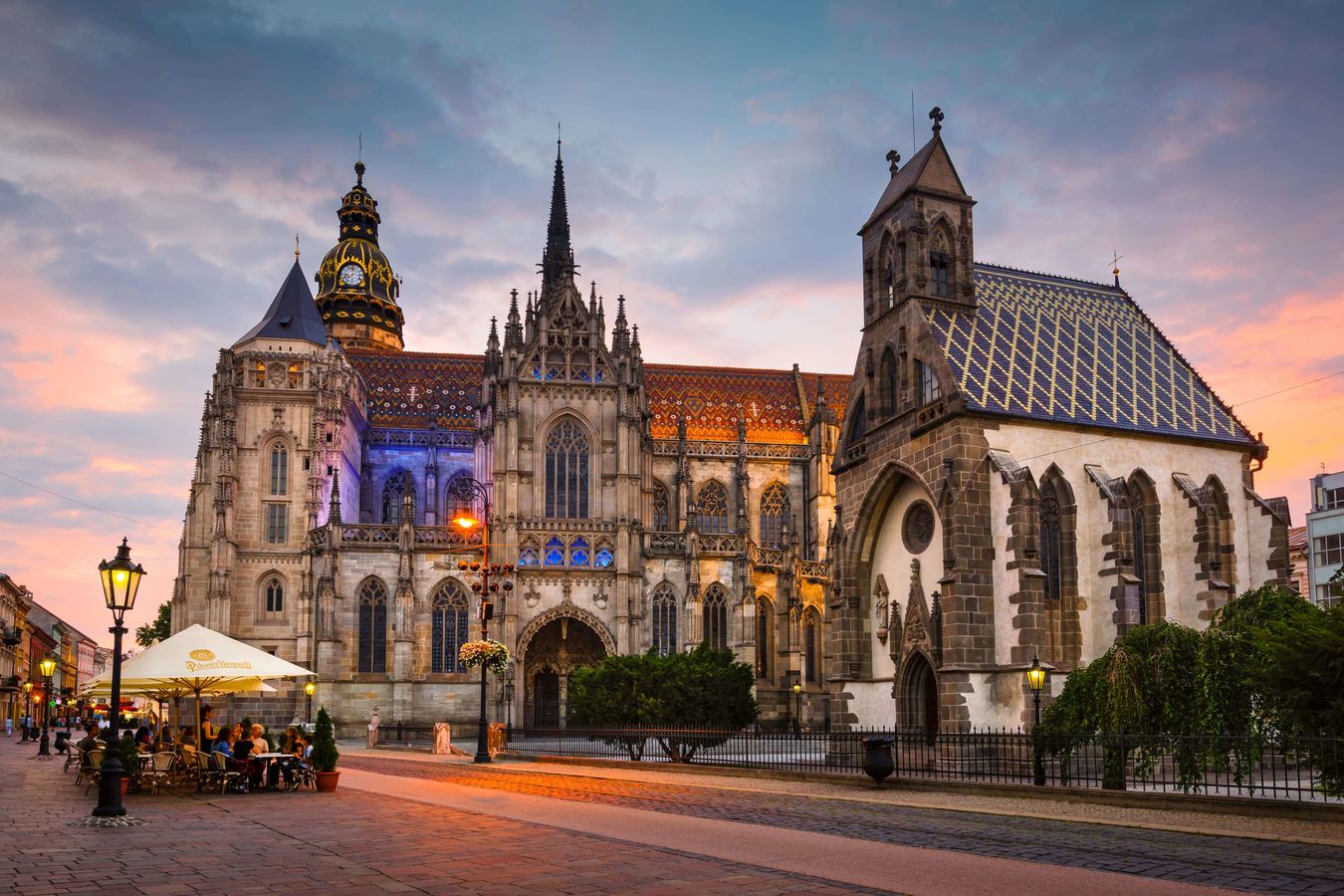
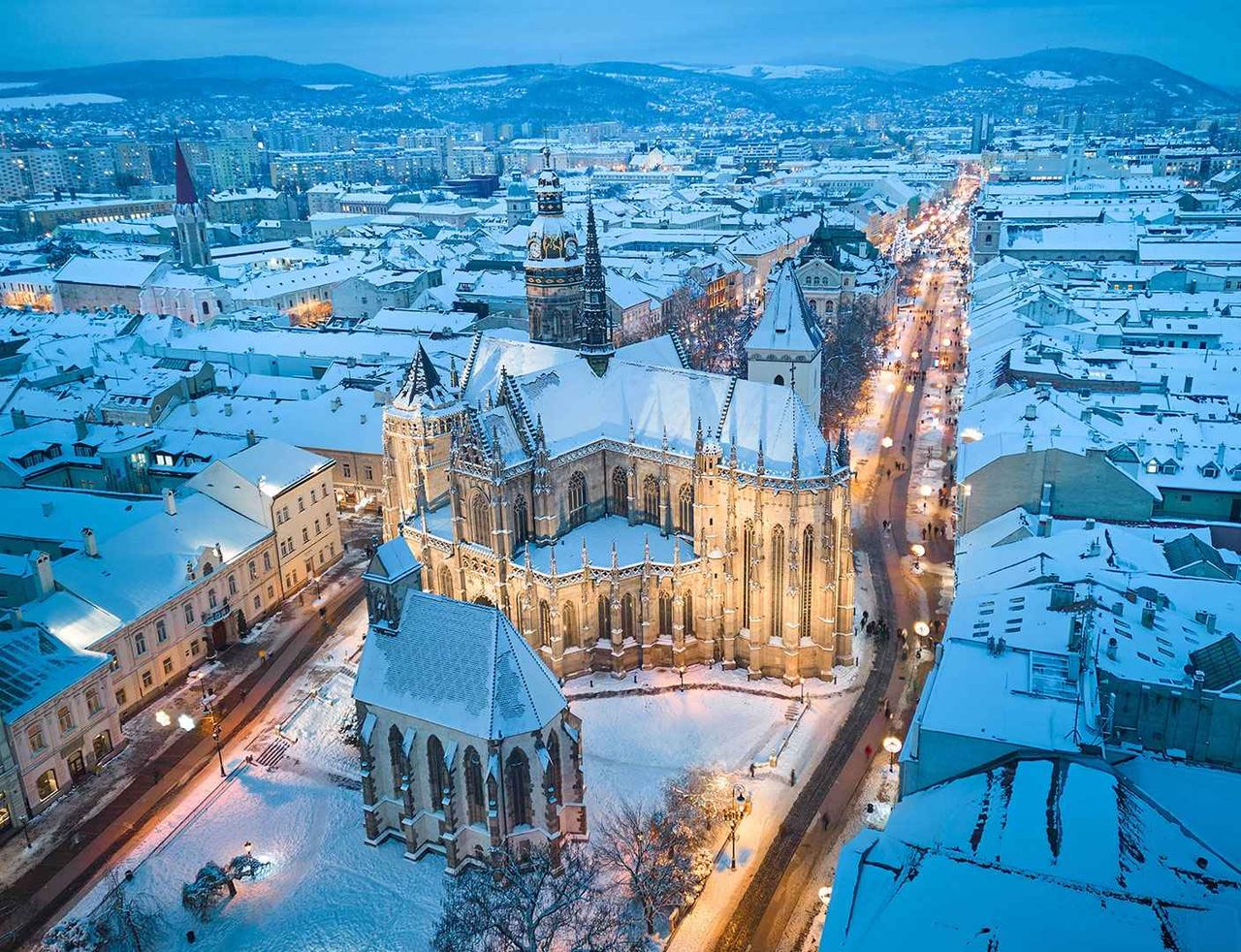
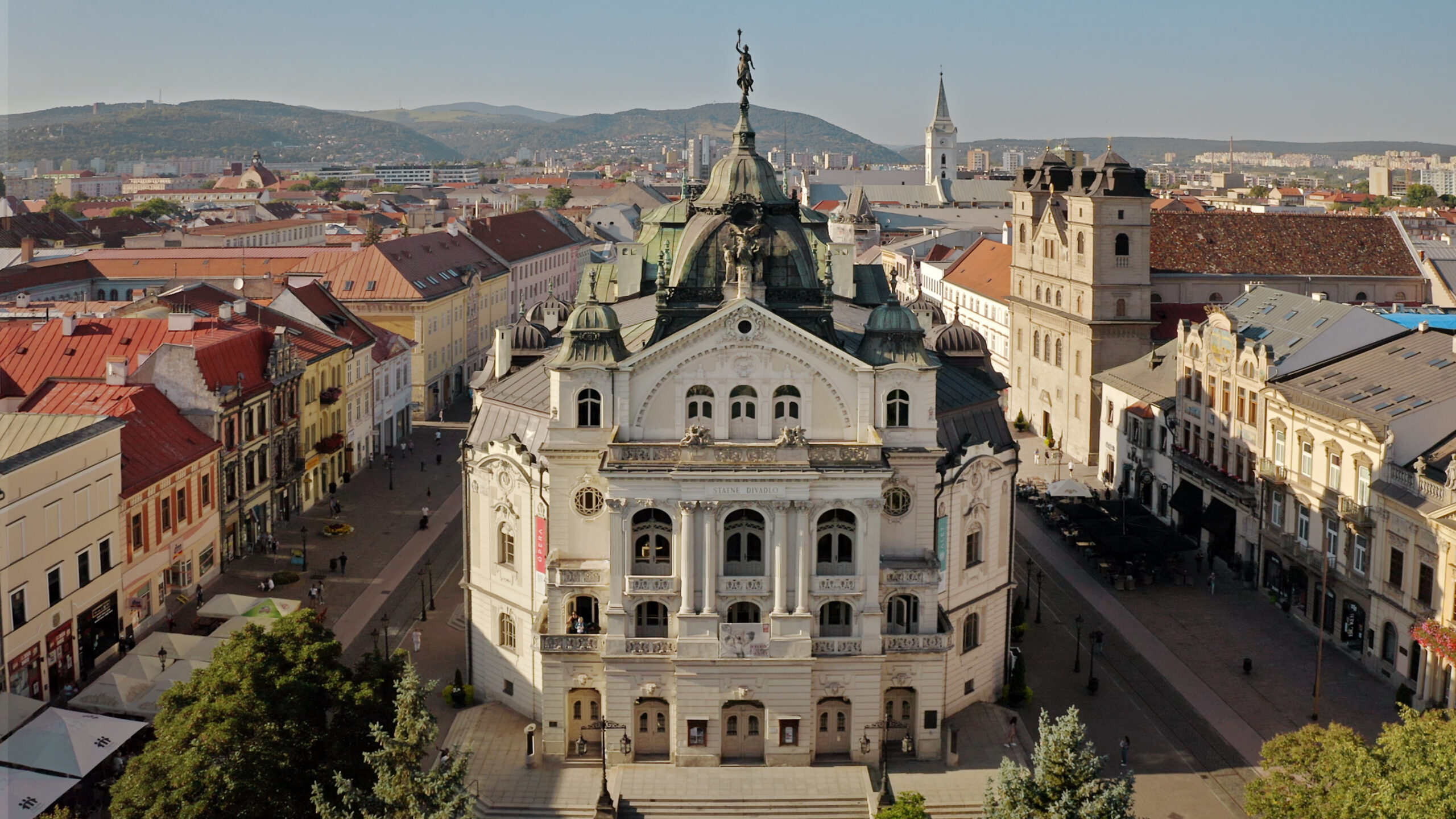
Košice is the second-largest city in Slovakia, and its historic center forms the country’s largest urban historic preservation district. The heart of the city is Hlavná Street, home to St. Elizabeth’s Cathedral—the largest cathedral in Slovakia. Nearby, you’ll find St. Michael’s Chapel, Urban’s Tower, the Košice National Theater, and the popular Singing Fountain with its carillon.
In 1369, the city became the first in Europe to receive its own coat of arms, and in 2013, it was named the European Capital of Culture. In addition to historical landmarks, it offers museums, galleries, the underground spaces of the Lower Gate, Mikluš Prison, a vibrant cultural scene, numerous events, and popular cafés and restaurants.

What We Offer

What do you need to know before you arrive?
Please read this before your visit
From May through September, guided tours of the Cathedral are available Monday through Saturday from 9:00 a.m. to 2:45 p.m. and from 3:45 p.m. to 5:30 p.m. Separate access to the northern Sigismund Tower is available Monday through Saturday from 9:00 a.m. to 5:30 p.m. and on Sunday from 12:00 p.m. to 6:00 p.m. The basic admission fee for the tower is €3. Liturgical services always take precedence over tourist visits.
The Singing Fountain operates during the peak season and puts on a water and light show every hour, set to the rhythm of music and the nearby carillon. The carillon consists of 22 bells symbolizing the 22 city districts of Košice. The fountain offers its most beautiful experience after dark, when its colorful lighting is at its best.
Parking zones A1 and A2 in the central city area are subject to parking fees from Monday through Saturday all day long. There are no parking fees on Sundays and public holidays. A convenient alternative is the P+R park-and-ride lot near the Amphitheater or using public transportation. The Visit Košice Infopoint at Hlavná 59 is open daily from 9:00 a.m. to 5:00 p.m.
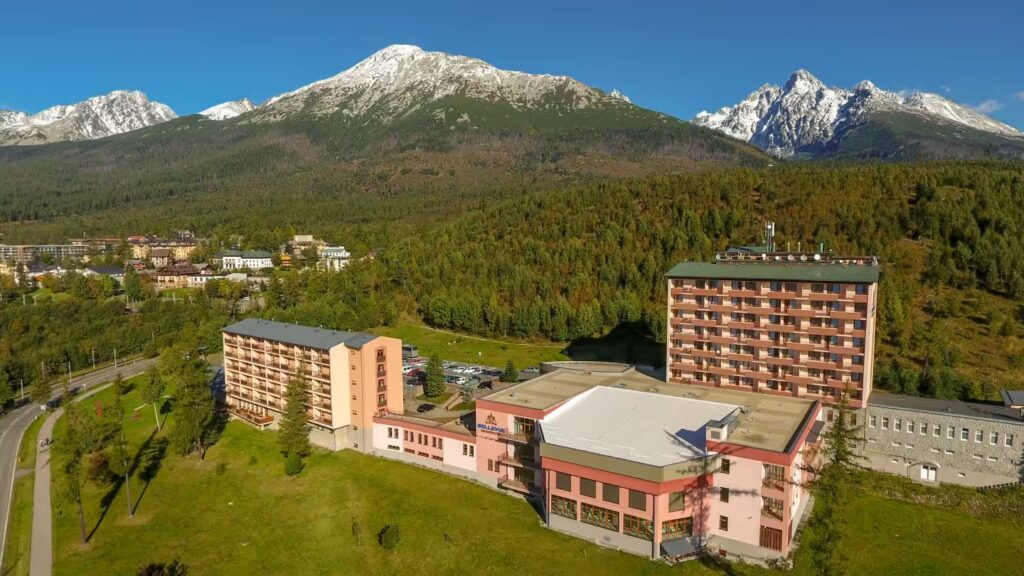
Where to Stay in the Area
Plan a comfortable stay—choose accommodations near this location and enjoy the region to the fullest without unnecessary travel.



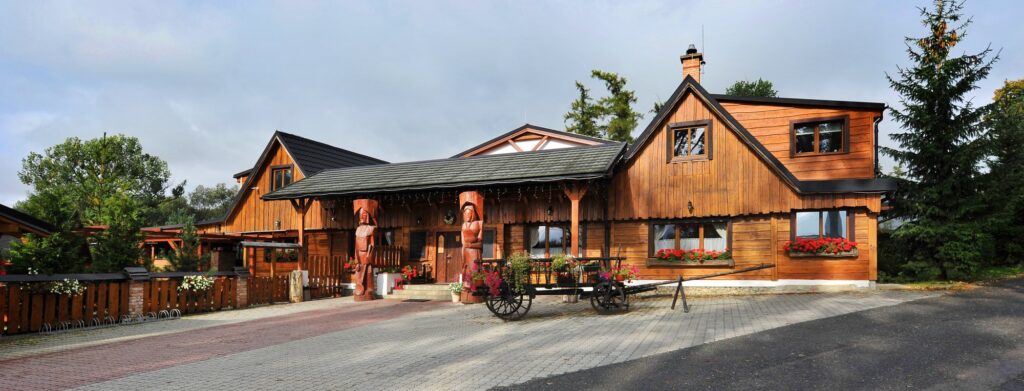
Where to Eat in the Area
From traditional Tatra mountain huts to modern restaurants with mountain views—discover the local cuisine and plan where you’ll treat yourself to a well-deserved break with a good meal after your trip.




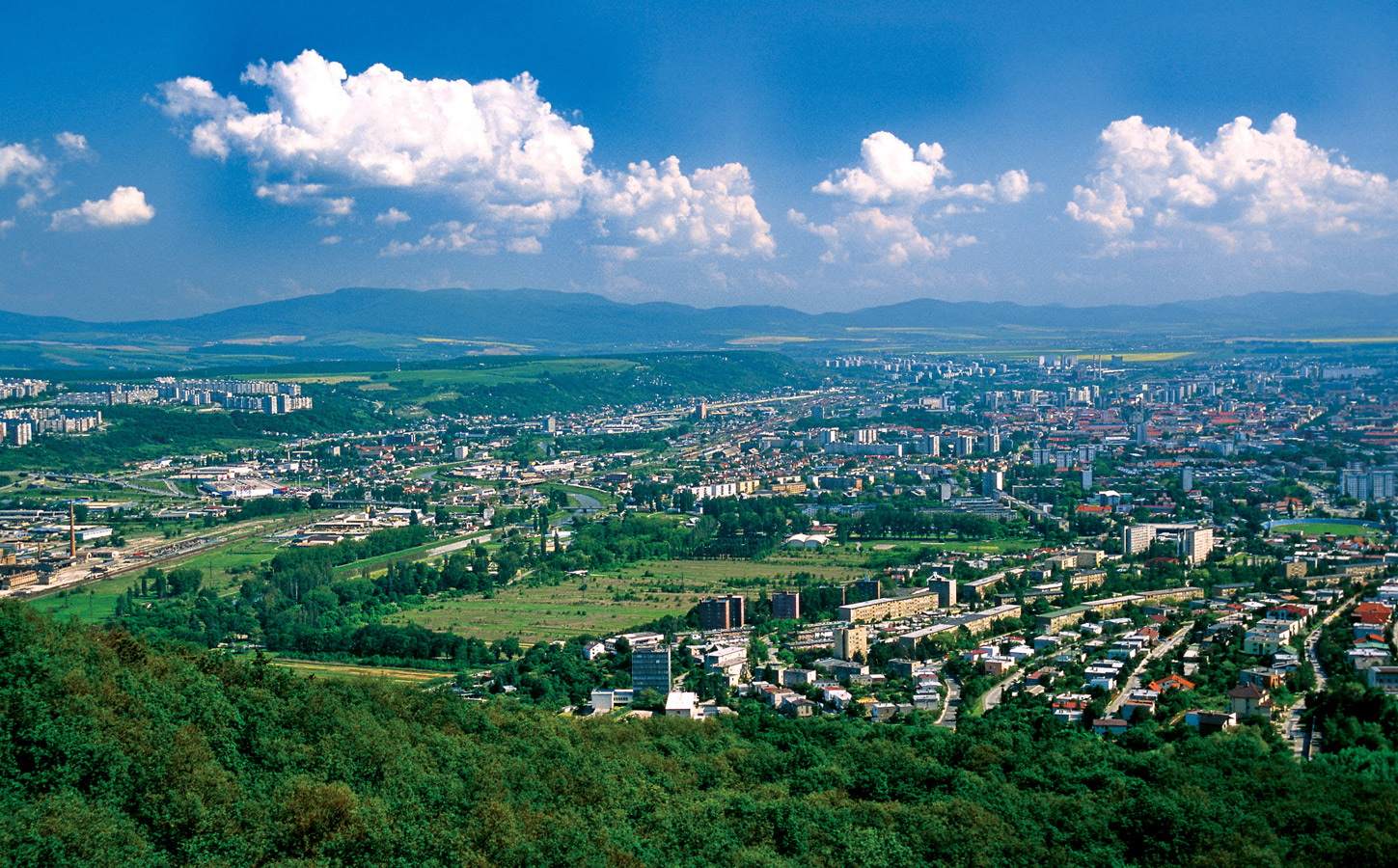
That's how it looks here. Take a look
Other Trips in the High Tatras Area
The area around the Tatra Mountains is home to even more places worth visiting—discover other destinations and plan an outing for each day of your stay in the region.


Must-See Places. Discover them one by one
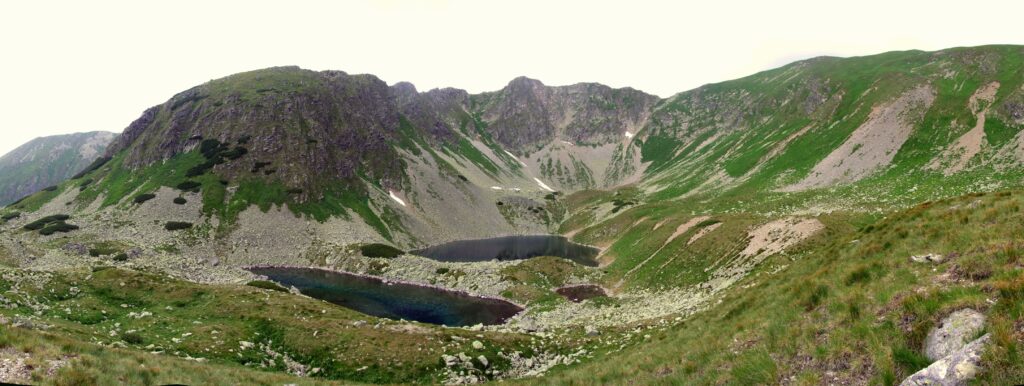
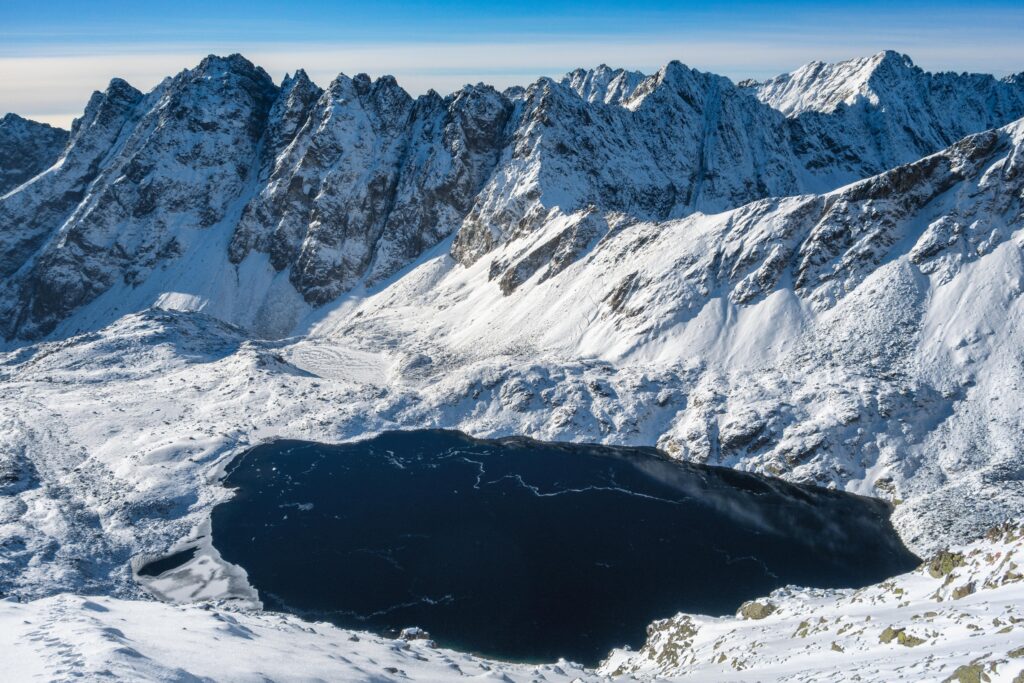
Every corner of the High Tatras and the surrounding area has its own story. Discover the places that shape the character of the region.



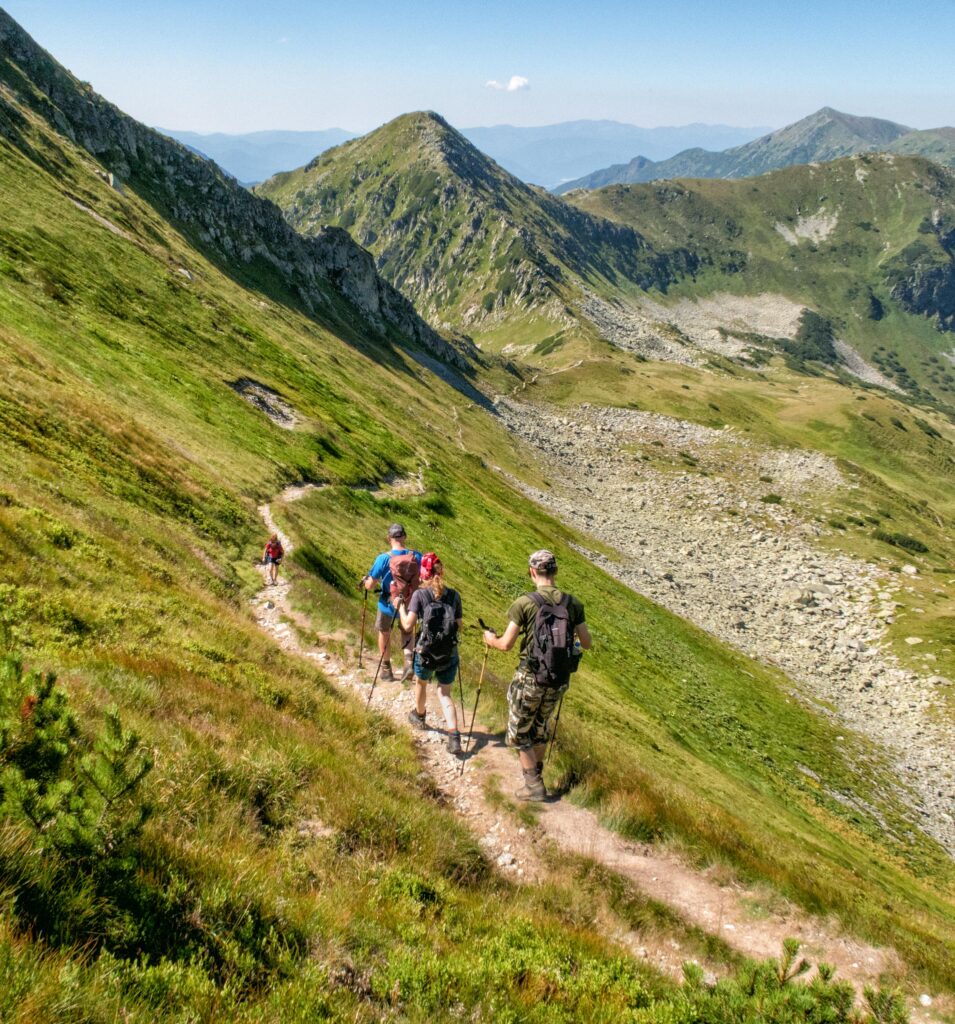


The Tatra Mountains wake up differently every day
Current conditions, upcoming events, and editorial recommendations. Everything you need to know before heading to the Tatras.

Webcams
Poprad
-3°C
Clear

Lomnický štít
-12°C
Clear
Tatranská Lomnica
-3°C
Clear
Starý Smokovec
-2°C
Clear
Hrebienok
-3°C
Clear
Štrbské Pleso
-2°C
Clear
Skalnaté pleso
-3°C
Clear
Solisko
-2°C
Clear


Everything You Need to Know Before Your Trip
Answers to the most frequently asked questions about the High Tatras region.