Kežmarok
A city where royal history meets artisan traditions at the foot of the Tatra Mountains



Granting of Municipal Privileges
Elevation of the city
Inclusion of the Wooden Church on the UNESCO List
A historic town with a castle and a UNESCO World Heritage Site
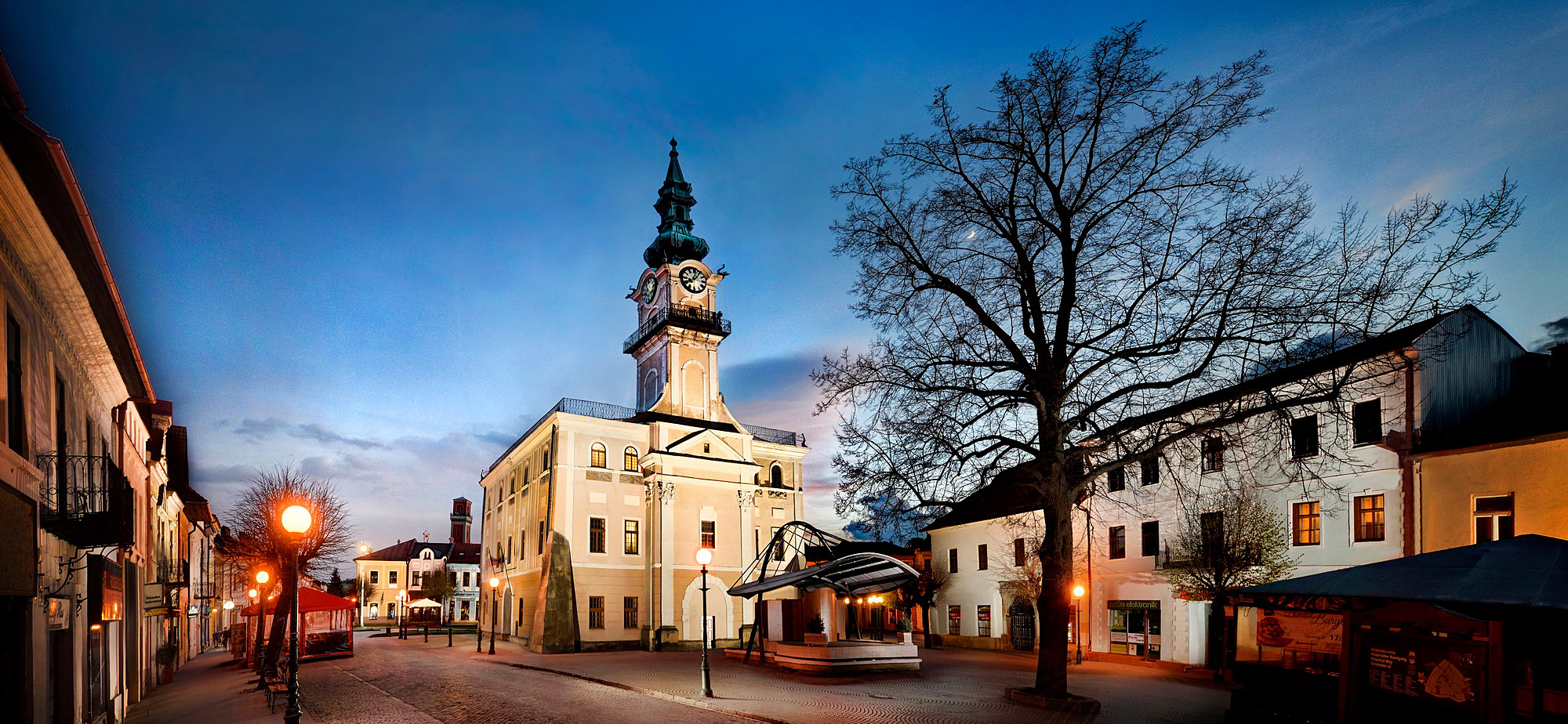
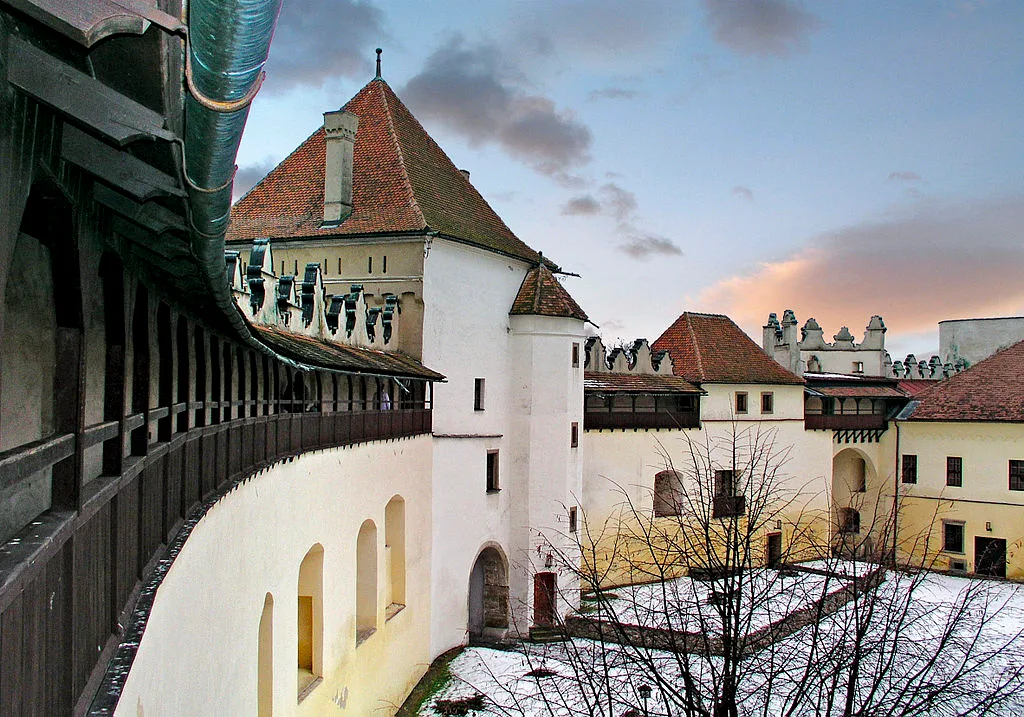
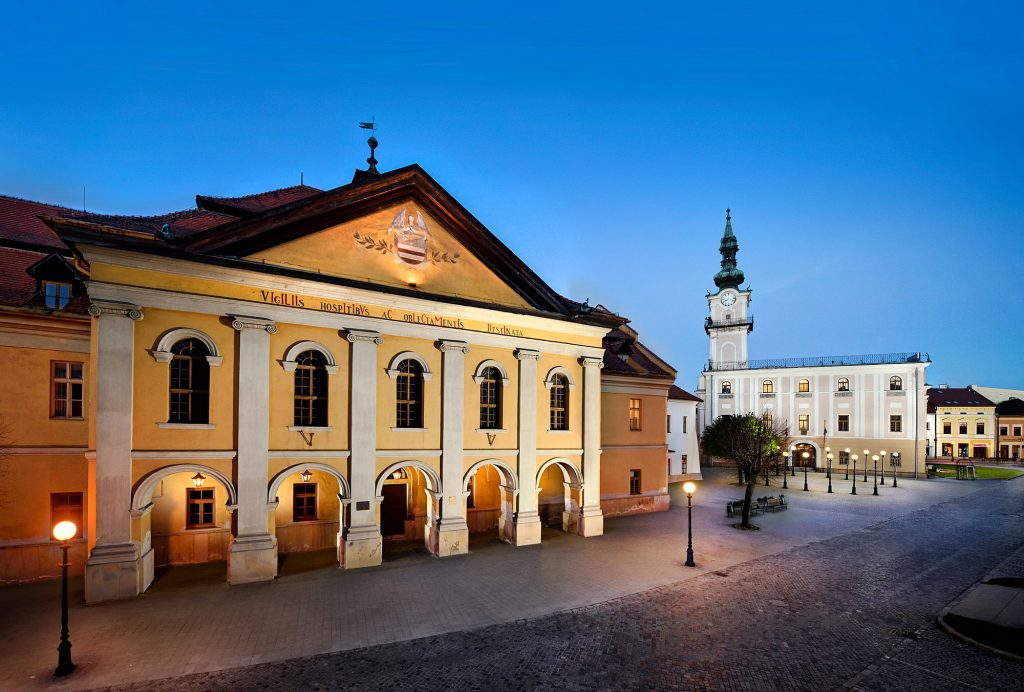
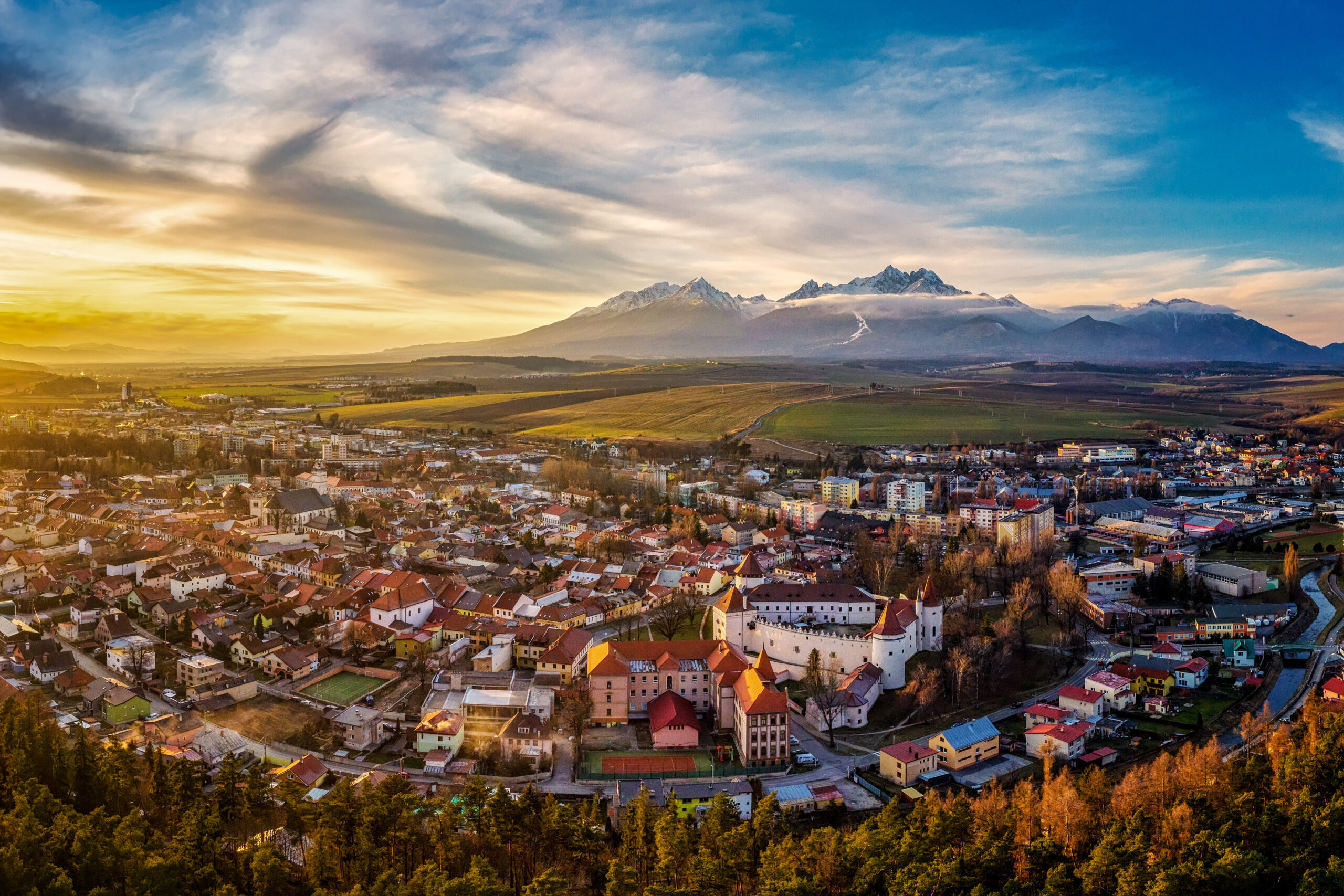
Kežmarok is one of the most significant historic towns in the Spiš region. The first written mention dates back to 1251, and in 1269, the town was granted municipal privileges by King Bela IV. Its development was influenced by trade, crafts, and its advantageous location on major trade routes. Today, the well-preserved historic center—with its townhouses, town hall, and Kežmarok Castle—serves as a reminder of its rich past.
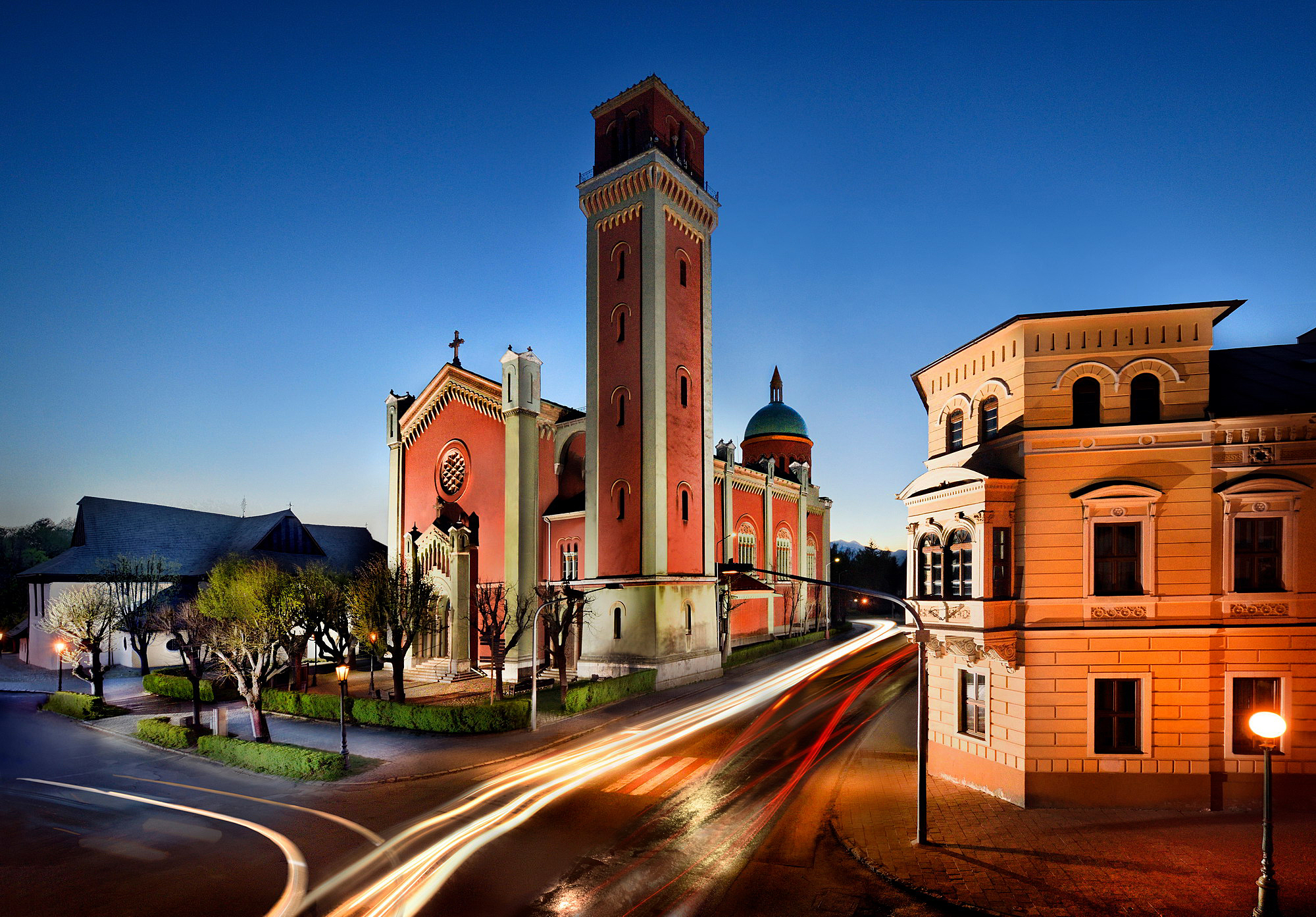
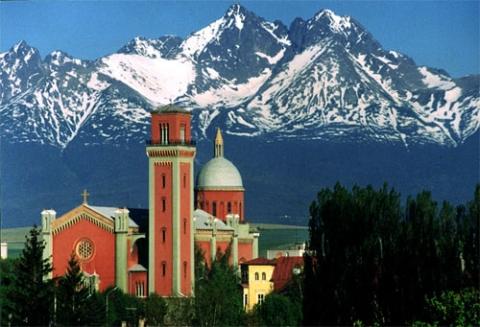
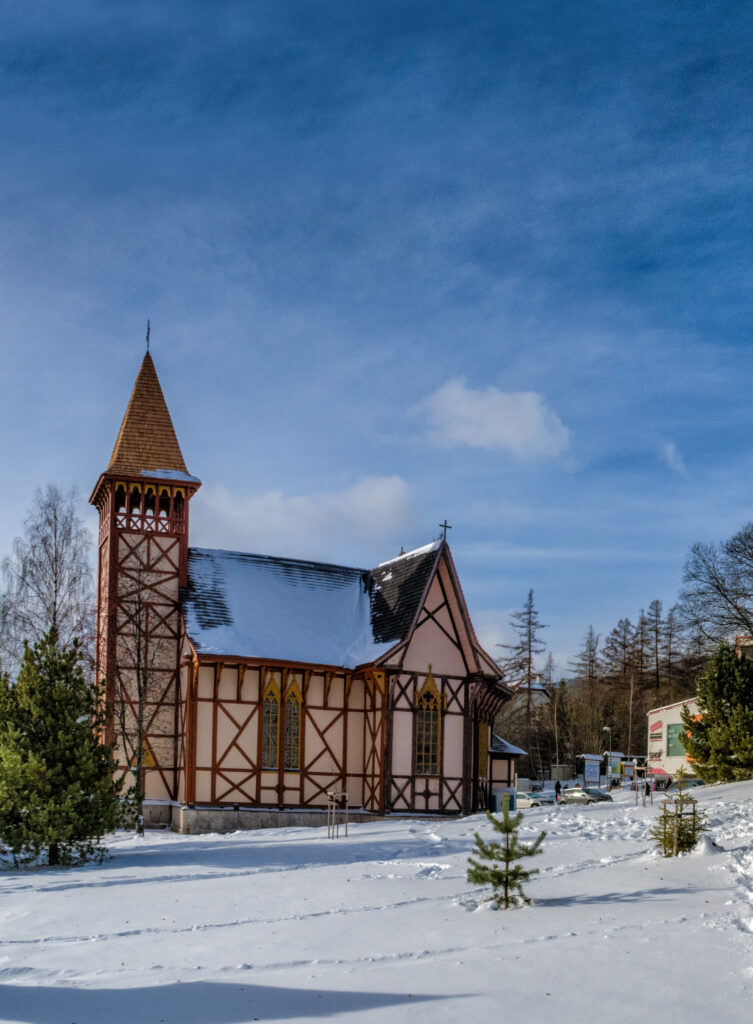
Among the town’s most precious monuments is the wooden Evangelical Articular Church, which was inscribed on the UNESCO World Heritage List in 2008. You can also visit the Minor Basilica of the Holy Cross, the New Evangelical Church, the Evangelical Lyceum with its historic library, Kežmarok Castle, and other museums and galleries.

What We Offer

What do you need to know before you arrive?
Please read this before your visit
Kežmarok Castle, the wooden Articular Church, and other landmarks have their own visiting policies. Before you arrive, check the current opening hours, admission prices, and the availability of guided tours.
The wooden Articular Church, the Minor Basilica of the Holy Cross, and the New Evangelical Church are active places of worship. During services, religious ceremonies, or maintenance, tours of these sites may be restricted.
The historic center can be easily explored on foot. During festivals and major cultural events—especially the European Folk Crafts Festival—expect larger crowds, changes to public transportation, and limited parking.
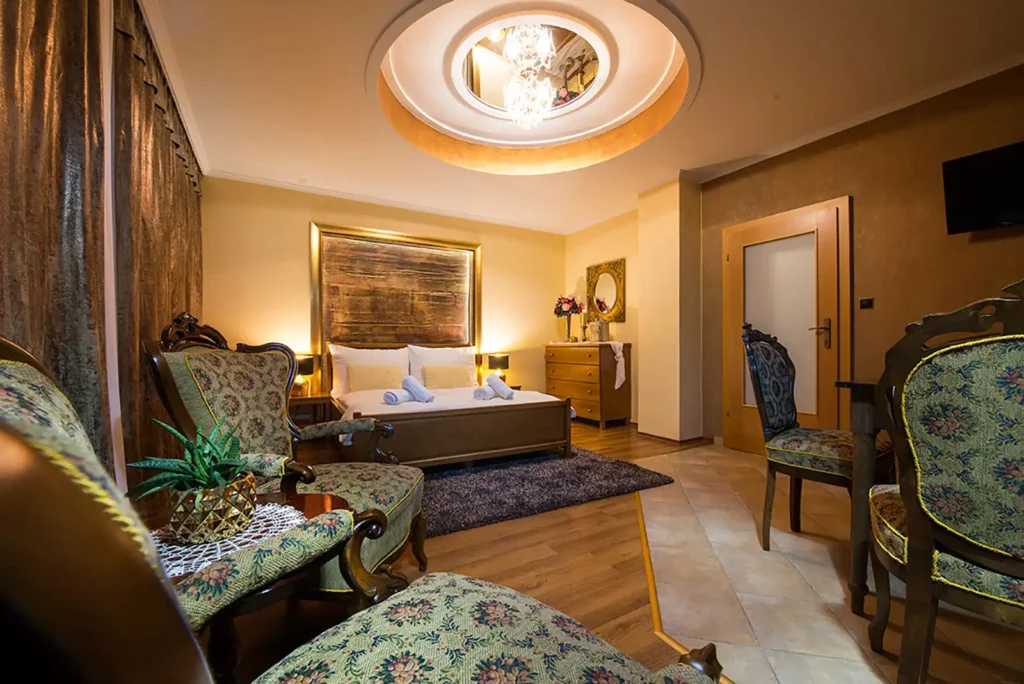
Where to Stay in the Area
Plan a comfortable stay—choose accommodations near this location and enjoy the region to the fullest without unnecessary travel.


Where to Eat in the Area
From traditional Tatra mountain huts to modern restaurants with mountain views—discover the local cuisine and plan where you’ll treat yourself to a well-deserved break with a good meal after your trip.



That's how it looks here. Take a look
Discover other cities and towns in the region
Every town and village in the Tatra Mountains has its own history, character, and atmosphere—explore other destinations worth visiting.


Must-See Places. Discover them one by one
Every corner of the Tatra Mountains has its own story. Discover the places that shape the character of the region.






The Tatra Mountains wake up differently every day
Current conditions, upcoming events, and editorial recommendations. Everything you need to know before heading to the Tatras.

Webcams
Poprad
-3°C
Clear

Lomnický štít
-12°C
Clear
Tatranská Lomnica
-4°C
Clear
Starý Smokovec
-2°C
Clear
Hrebienok
-3°C
Clear
Štrbské Pleso
-2°C
Clear
Skalnaté pleso
-3°C
Clear
Solisko
-2°C
Clear


Everything You Need to Know Before Your Trip
Answers to the most frequently asked questions about the High Tatras region.