8885 – Spišská Teplica – Svit
A short bike route from Spišská Teplica to Svit



Length of the one-way bike route
A short route with minimal elevation gain
Suitable for mountain or gravel bikes
More than 3 kilometers through the Tatra Mountains region
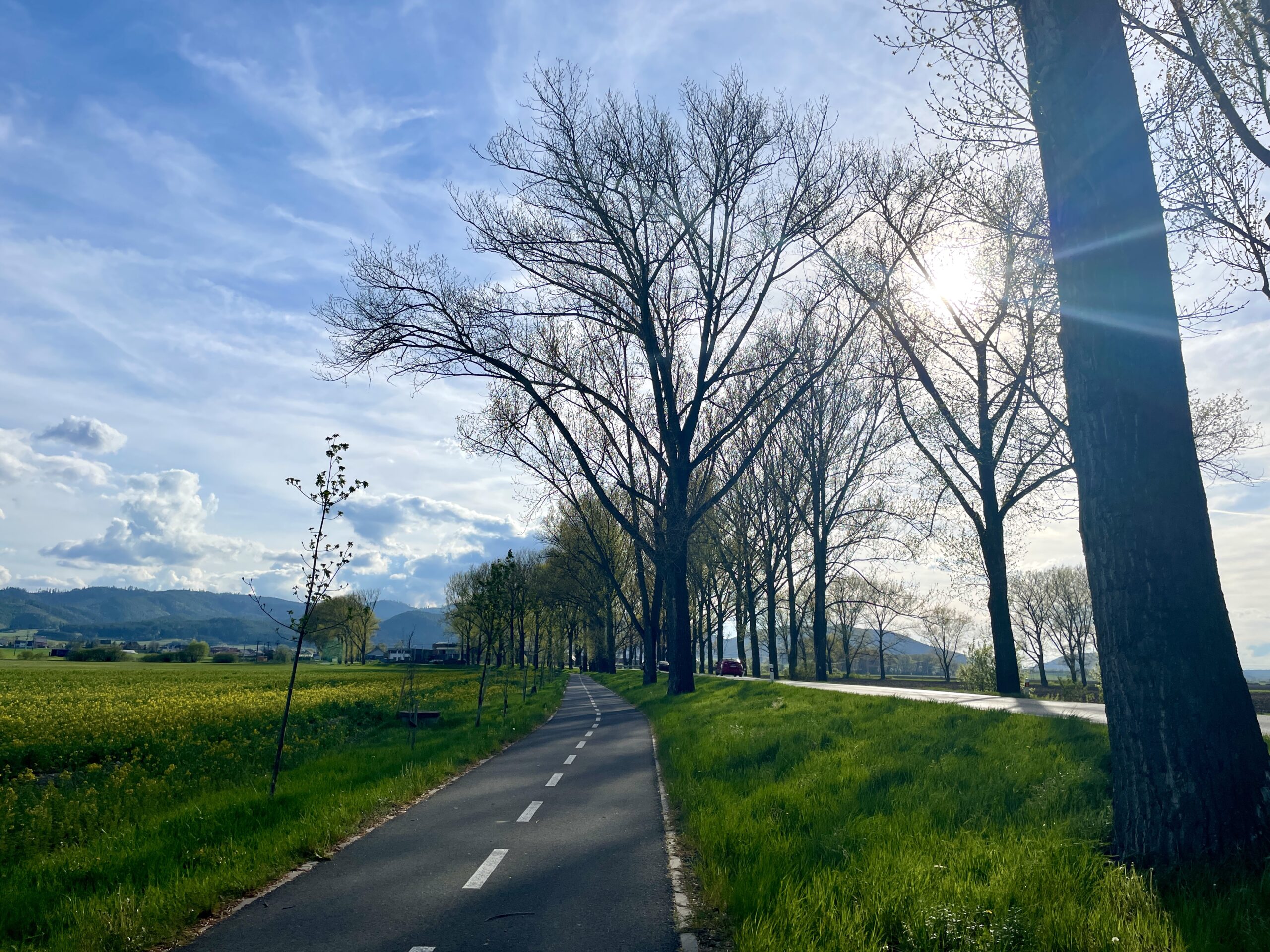
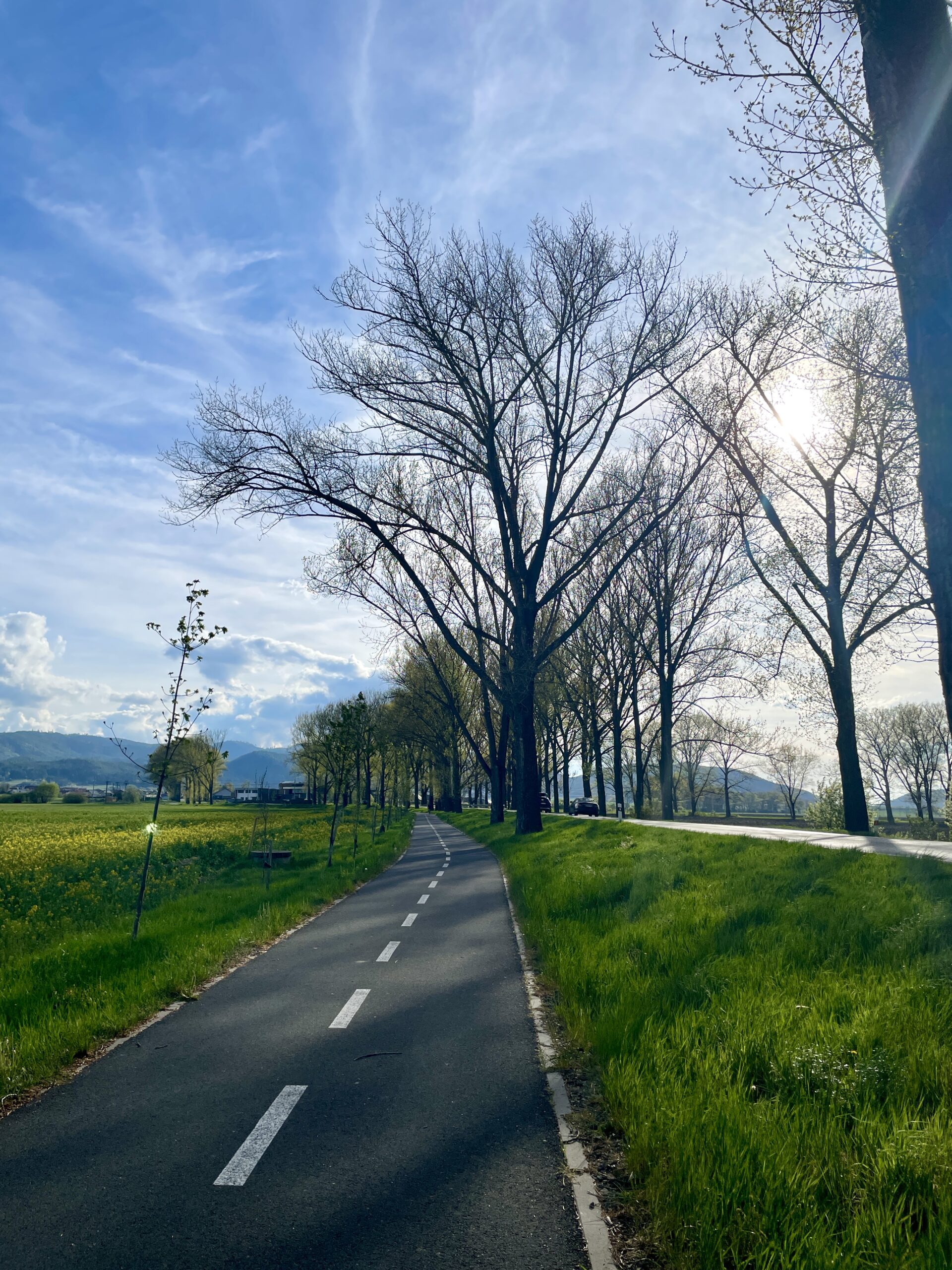
Yellow Bike Route No. 8885 connects Spišská Teplica with the town of Svit. This short route offers a leisurely ride through the landscape at the foot of the Tatra Mountains, with beautiful views of the High Tatras and only a minimal elevation gain.
From Spišská Teplica, it continues mostly along an unpaved road past the Bor quarry and through gently rolling terrain beneath the forest all the way to Svit. At its destination, it connects to the Poprad Cycling Highway and other bike trails.
What can you experience and see along the route?

Trasa a výškový profil
What do you need to know before you arrive?
Please read this before your visit
The route has a gently undulating profile and an elevation gain of approximately 20 meters. Starting in Spišská Teplica, it winds through open countryside past the Bor quarry, continues through the woods, and then arrives in Svit. Thanks to its short distance and minimal elevation gain, it is particularly suitable for recreational cycling.
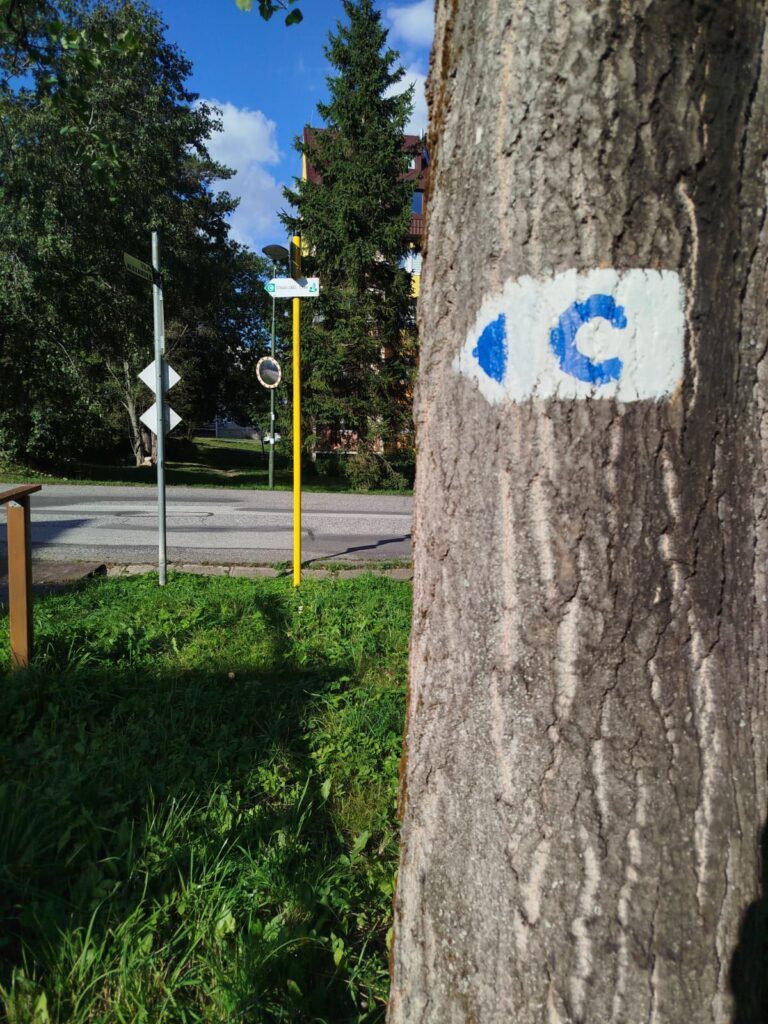
The route is marked with yellow bicycle sign No. 8885. Pay close attention to the directional signs, especially at intersections of unpaved roads and as you enter Svit.
From the views of the Tatra Mountains all the way to Svit
Most of the route consists of unpaved surfaces, the condition of which may vary depending on the weather. After rain, some sections may be soft, muddy, and more difficult to ride on. Before setting out, be sure to check the current conditions and choose a bike with appropriate tires.
Start in Spišská Teplica
The trip begins in Spišská Teplica, where you can visit the local museum with a mammoth exhibit, the rain garden, or grab a bite to eat at a local restaurant before setting out.
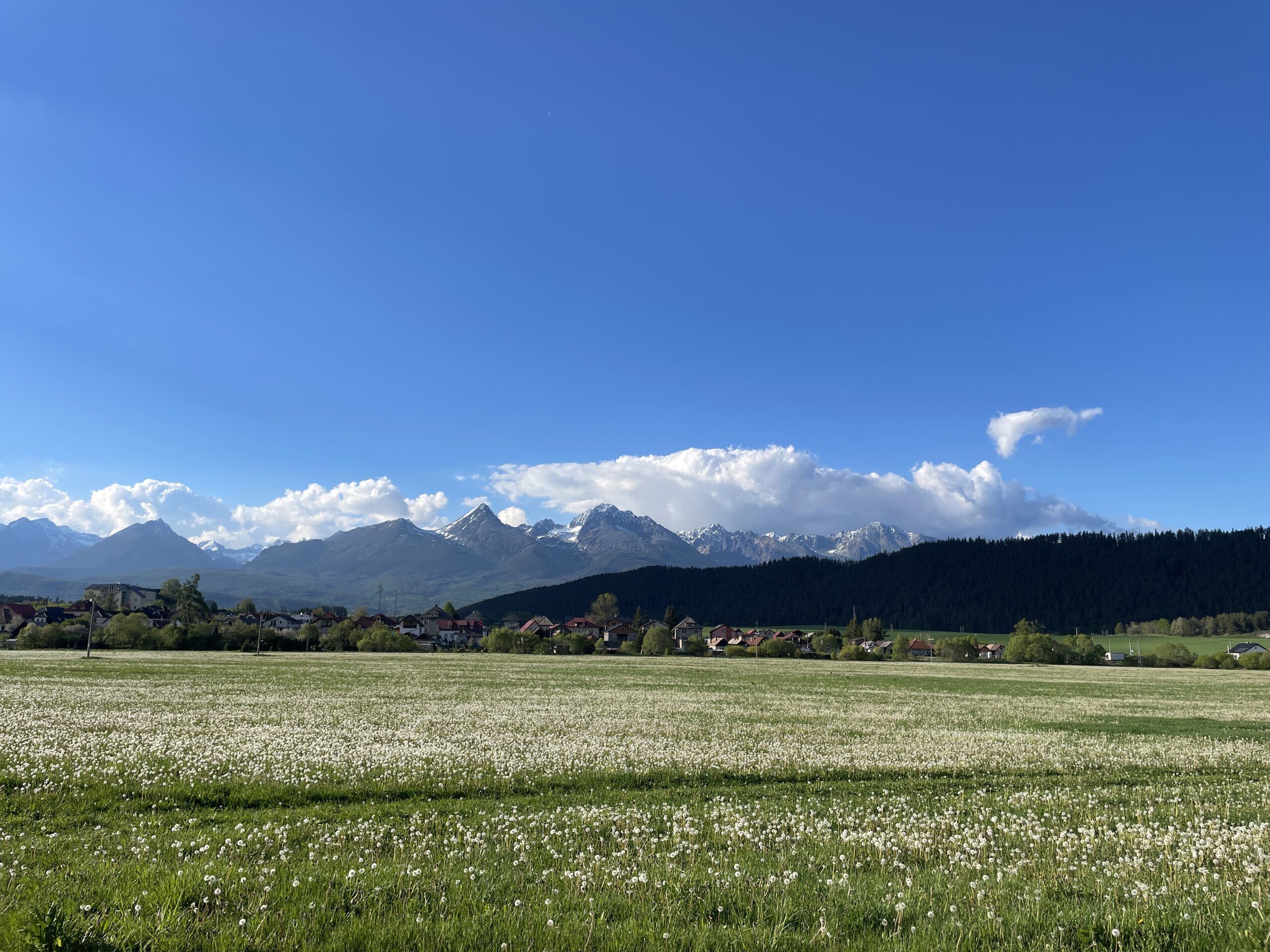
Views of the High Tatras
Immediately after leaving the village, a panoramic view of the Tatra peaks opens up before you. The open landscape at the foot of the Tatras offers several opportunities for a short stop and some photography.
Around the Bor Quarry
The route continues mostly along an unpaved road around the Bor Quarry. The surface may be uneven in places, so it is advisable to adjust your speed to the current conditions.
Arrival in Svit
Beyond the quarry, the route leads through gently rolling terrain beneath the forest all the way to Svit. The short distance and minimal elevation gain allow you to cover this section at a leisurely pace.
Connections to Other Routes
In Svit, the bike trail connects to the Poprad Bike Highway and other marked trails. You can thus extend your trip toward Poprad or continue exploring the area around Svit.
Stops along the route
Spišská Teplica
Starting point of the bike trail
Museum with a Mammoth: An Interesting Stop at the Start of the Trip
Rain Garden A place to stop briefly in Spišská Teplica
Bor Quarry
A prominent landmark along the route
Svit
: End point of the route and connection point to other bike trails

Tak to u nás vyzerá. Pozrite sa

Explore the region on two wheels
The Tatra Mountains offer an extensive network of bike trails for every type of cyclist—from easy trails in the foothills to challenging mountain loops with views that make every strenuous pedal stroke worthwhile.




Must-See Places. Discover them one by one
Every corner of the High Tatras has its own story. Discover the places that shape the character of the region.




The Tatra Mountains wake up differently every day
Current conditions, upcoming events, and editorial recommendations. Everything you need to know before heading to the Tatras.

Webcams
Poprad
2°C
Mostly clear

Lomnický štít
-6°C
Overcast

Tatranská Lomnica
0°C
Mostly clear
Starý Smokovec
1°C
Mostly clear
Hrebienok
0°C
Mostly clear
Štrbské Pleso
1°C
Partly cloudy
Skalnaté pleso
-1°C
Overcast
Solisko
-1°C
Mostly clear


Everything You Need to Know Before Your Trip
Answers to the most frequently asked questions about the High Tatras region.