2860 – Biela Voda – Cottage at Zelené pleso
The Most Challenging MTB Trail in the High Tatras



A steady climb all the way to the cottage
For experienced mountain bikers
Estimated time of ascent
A challenging climb up the monumental face of Malý Kežmarský štít
The trail begins at the Biela Voda stop and follows a paved gravel road for the first 3.4 kilometers to the Šalviový Spring. It then continues along a maintained rocky trail beside the Kežmarská Biela voda stream and winds its way up through switchbacks into the dwarf pine zone.
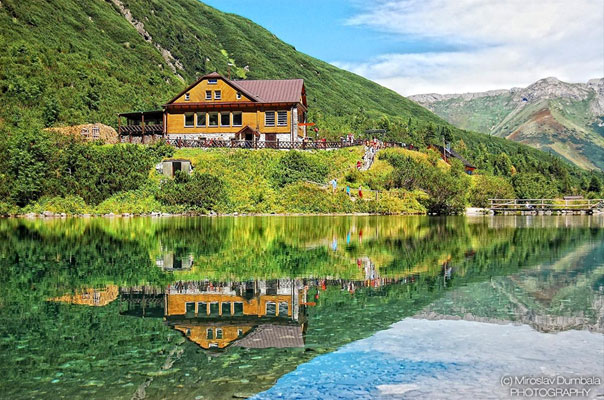
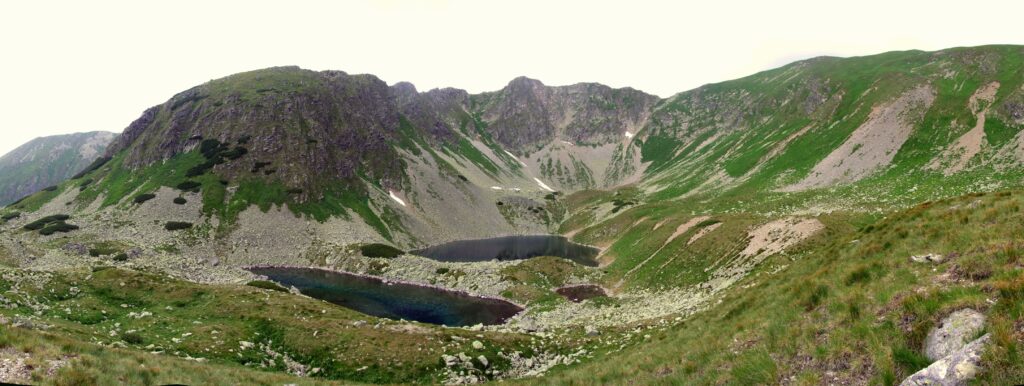
Toward the end, views open up of the Zmrzlé Valleys, Jastribia Tower, Zelené Pleso, and the 900-meter-high face of Malý Kežmarský štít. Before the technically challenging descent, you can rest and recharge at the Chata pri Zelenom plese mountain hut.
What We Offer

Trasa a výškový profil
What do you need to know before you arrive?
Please read this before your visit
This bike trail is one of the most challenging MTB trails in the High Tatras. It is intended for more experienced cyclists and is suitable for mountain bikes that can handle both gravel and rocky terrain.
The first 3.4 km to Šalviový Spring follow a paved gravel road. From there, the trail continues along a rocky, well-maintained path beside the Kežmarská Biela Voda River and, in the final stretch, winds through switchbacks to higher elevations.
There are also hikers on the trail, so please ride with consideration for other visitors. Before heading back, we recommend refueling at the Chata pri Zelenom plese mountain hut, especially before a more challenging descent.
A challenging climb from Biela Voda to the Chata pri Zelenom plese mountain hut
Bike Trail 2860 runs from Biela Voda to the base of the massive face of Malý Kežmarský štít, leading to the Chata pri Zelenom plese mountain hut, also known as Brnčalka. It is one of the most technically and physically demanding bike trails in the region and offers an exhilarating mountain experience in one of the most beautiful Tatra valleys.
The route climbs steadily along its entire length and puts both your fitness and riding technique to the test right from the start. You’ll be rewarded with unique views, an alpine setting, and an attractive finish at Zelené pleso.
Surface and Nature of the Route
The first section leading to Šalviov Spring consists of a paved gravel road. The trail then transitions into a rocky, maintained path running alongside the Kežmarská Biela voda stream, which increases its technical difficulty.
Views and Natural Scenery
Above the Šalvi Spring, the trail winds through several switchbacks and continues into the dwarf pine zone. Gradually, views open up of the Zmrzlá Valley, Jastrabia Tower, and Zelené Pleso, which are among the trail’s biggest attractions.
Route Destination and Recommendations Before the Descent
The trail ends at the Chata pri Zelenom plese mountain hut, where you can rest and recharge before heading back. Since a more challenging descent awaits you on the way back, a short break at the hut is a welcome part of the trip.
Signage and Considerate Driving
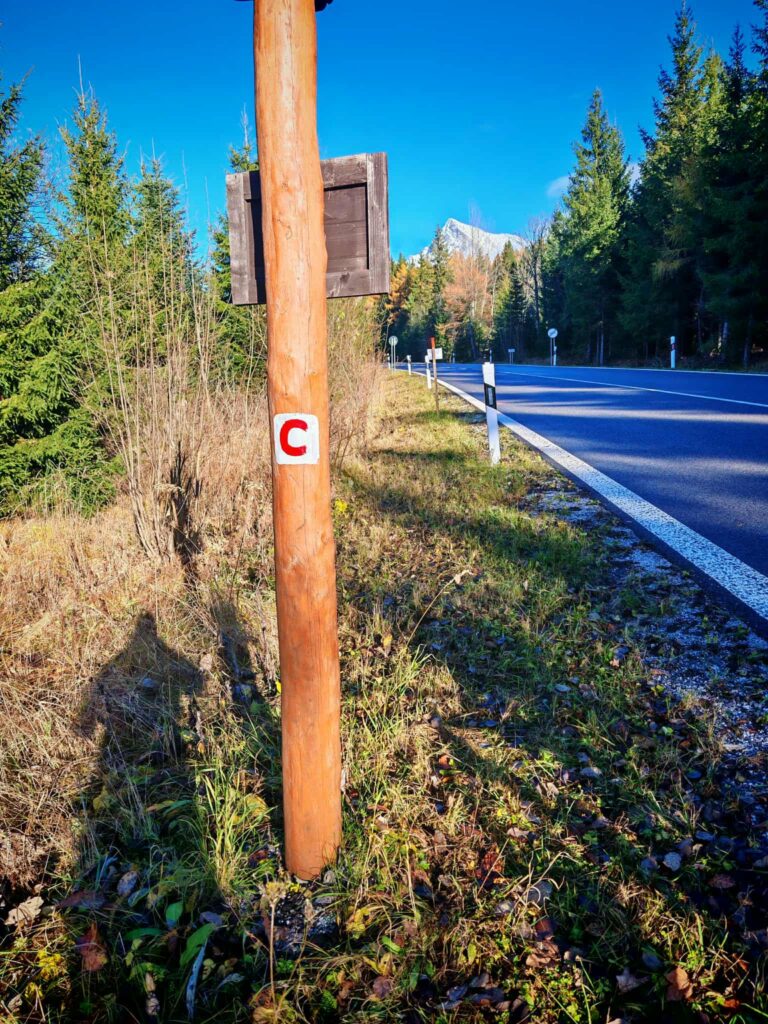
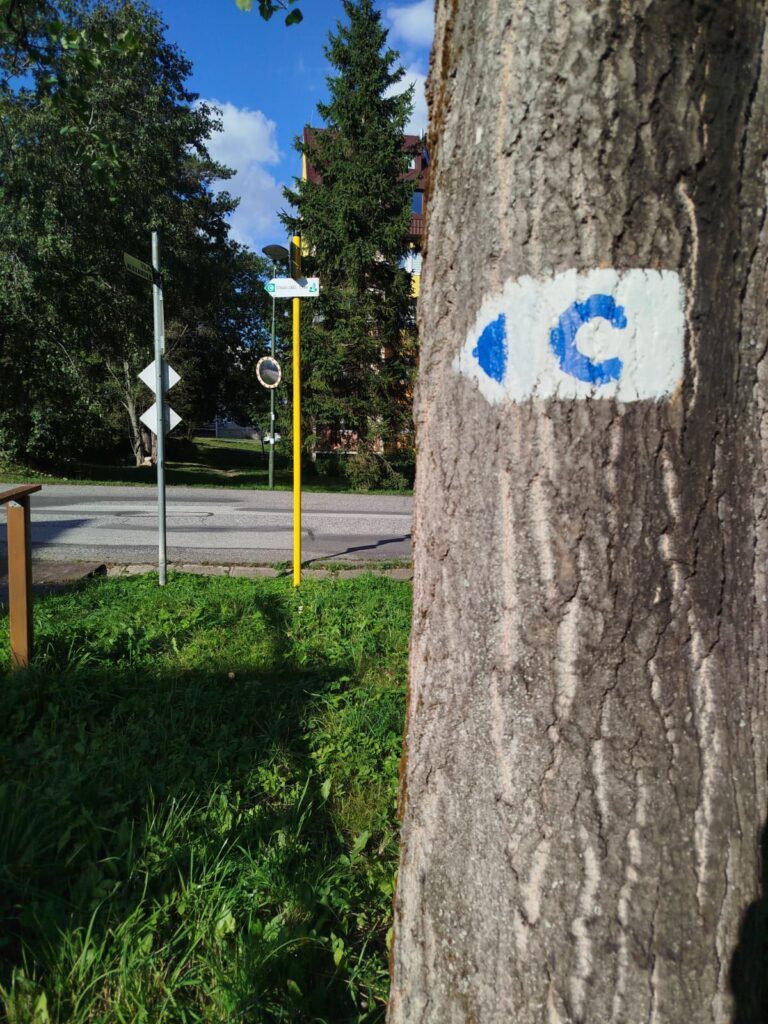
The route is marked with a blue “C” symbol. While riding, keep in mind that hikers also use this area, so adjust your speed to the terrain and the movements of other visitors.

Tak to u nás vyzerá. Pozrite sa
Explore the region on two wheels
Every corner of the High Tatras has its own story. Discover the places that shape the character of the region.




Must-See Places. Discover them one by one
Every corner of the High Tatras has its own story. Discover the places that shape the character of the region.




The Tatra Mountains wake up differently every day
Current conditions, upcoming events, and editorial recommendations. Everything you need to know before heading to the Tatras.

Webcams
Poprad
0°C
Mostly clear

Lomnický štít
-9°C
Mostly clear
Tatranská Lomnica
-1°C
Mostly clear
Starý Smokovec
0°C
Mostly clear
Hrebienok
0°C
Mostly clear
Štrbské Pleso
1°C
Mostly clear
Skalnaté pleso
0°C
Mostly clear
Solisko
-1°C
Mostly clear


Everything You Need to Know Before Your Trip
Answers to the most frequently asked questions about the High Tatras region.