2868 – Lysá Poľana – Bielovodská Valley
A leisurely ride through one of the most beautiful valleys in the Tatra Mountains



A Hike Through the Serene Bielovodská Valley
Estimated travel time
A challenging course with a rocky finish
From the Slovak-Polish border, along a mountain stream, into the heart of the Tatra Mountains' wilderness
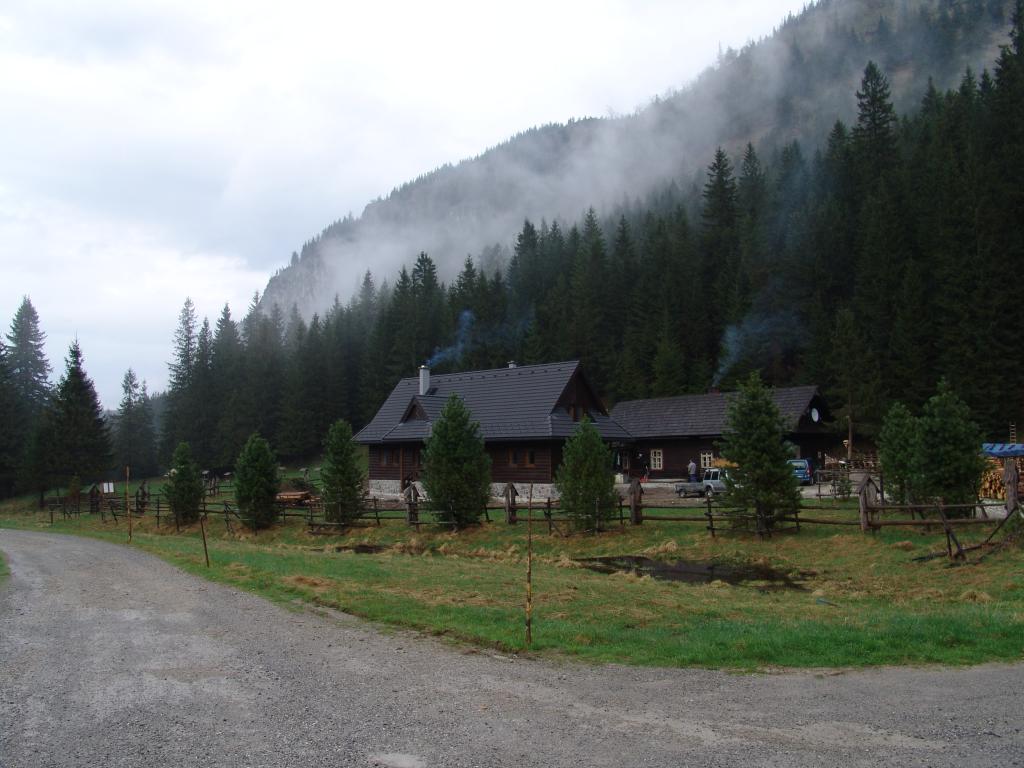
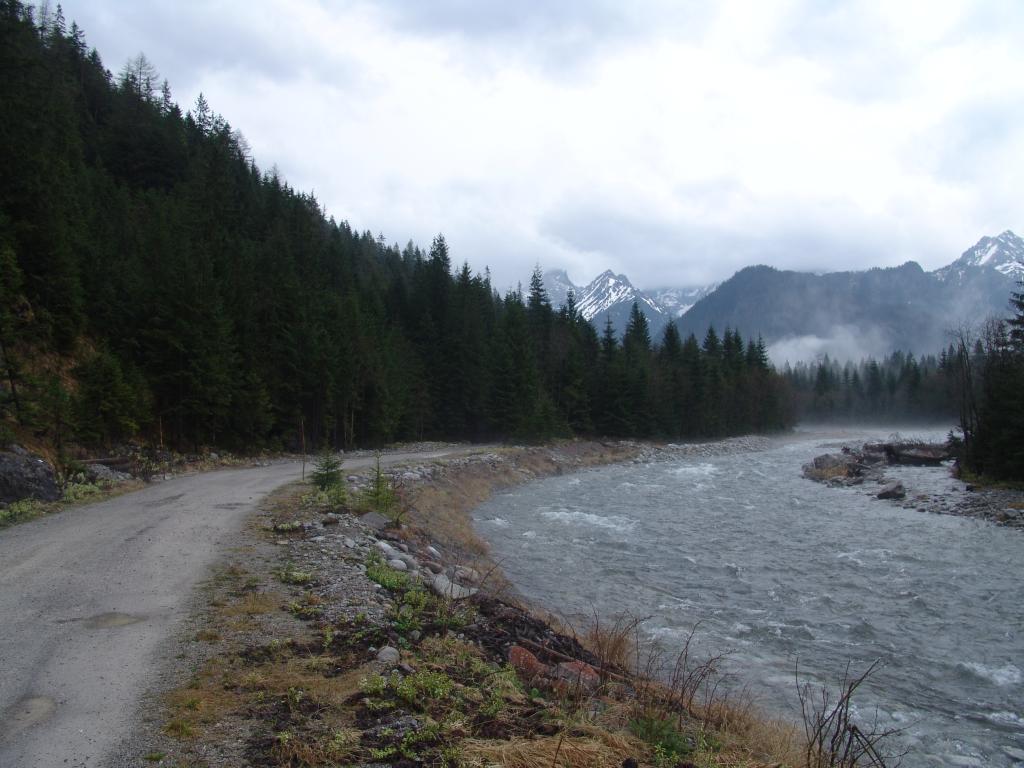
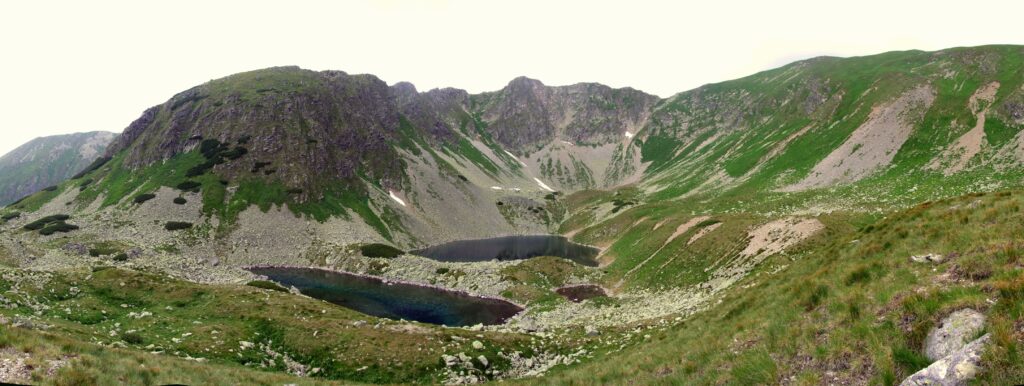
The bike trail begins at the Lysá Poľana border crossing and runs along the Biela Voda River into the peaceful Bielovodská Valley. The initial section runs mostly through the forest and offers views of mountain streams, the Tatra peaks, and the Polish side of the Tatras. After about 20 minutes, you’ll reach the Biela Voda forest lodge, which features a spring and places to rest.
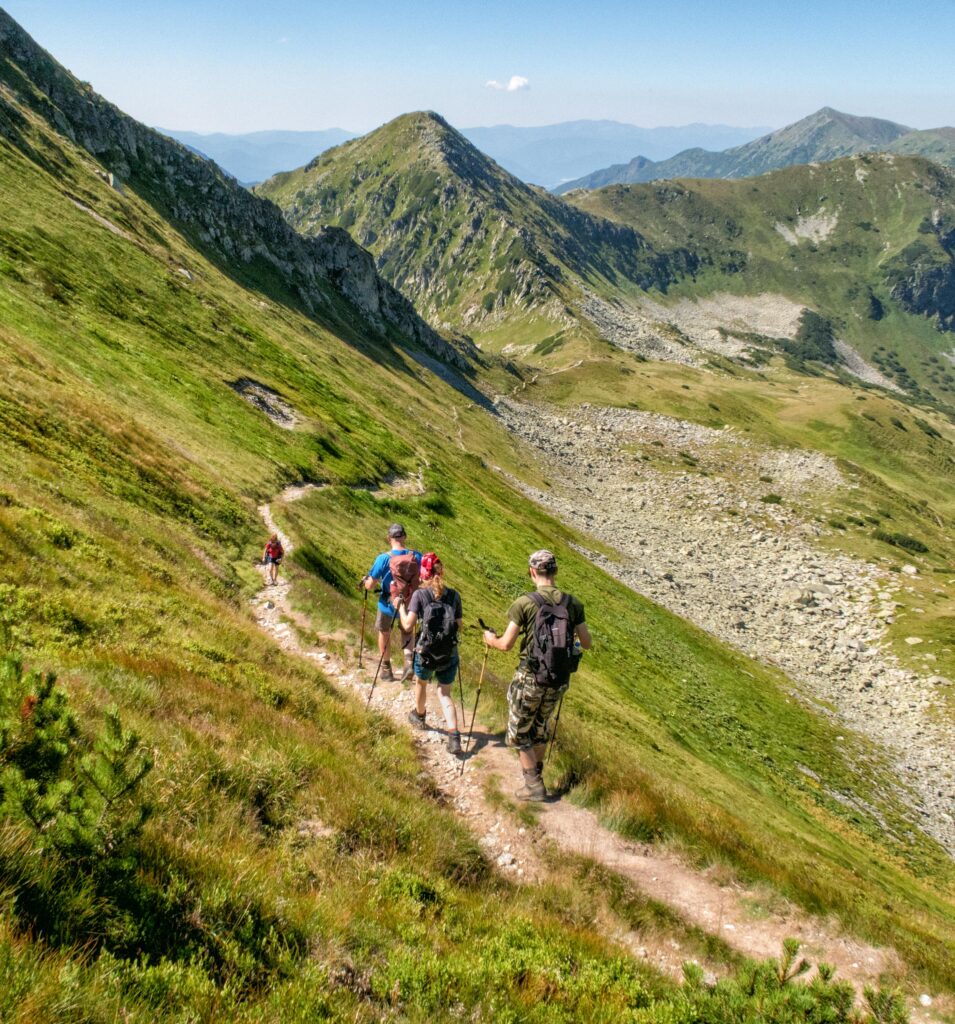
Beyond the ramp, the trail continues with a gentle climb across the Bielovodská meadow. Toward the end, the path narrows, the surface becomes rougher and rockier, and shorter, steeper sections appear, requiring greater attention and confidence in handling your mountain bike.
Warning
The final section has a rockier surface and shorter, steeper sections. Adjust your speed to the conditions and be considerate of hikers.
What We Offer

Trasa a výškový profil
What do you need to know before you arrive?
Please read this before your visit
The route follows an unpaved forest road. The final section has a rougher, rocky surface, so a mountain bike is best suited for completing the entire route.
Most of the route has a gentle incline, but toward the end, the path narrows and there are more frequent, shorter, steeper sections. Riding here requires more attention and confidence in handling the bike.
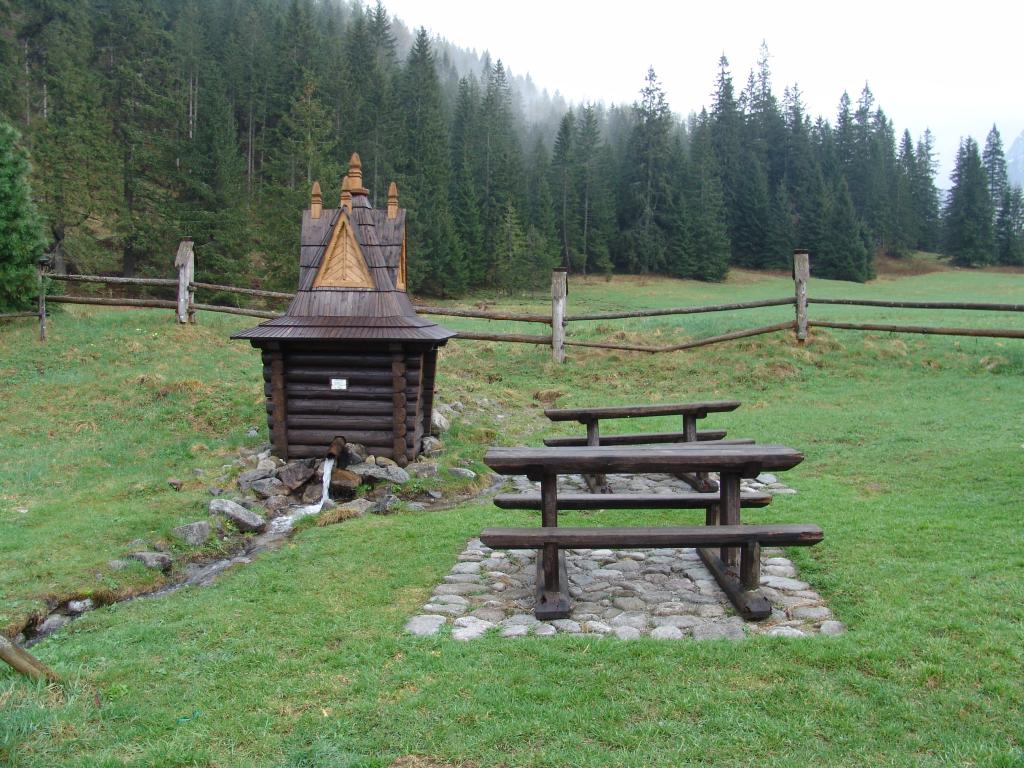
After about 20 minutes, you'll reach the Biela voda forest ranger station. There's a spring here, along with benches and tables where you can take a short break.
More than 9 kilometers through the quiet Bielovodská Valley
Cycle Route 2868 begins at the Lysá Poľana border crossing on the Slovak-Polish border and continues into the Bielovodská Valley. It runs alongside the Biela Voda River through a forested landscape and offers views of the Tatra peaks, mountain streams, and the Polish side of the Tatras.
The initial section is gentle and comfortable even for recreational cyclists with some off-road experience. Beyond Bielovodská Poľana, however, the terrain gradually changes, and the final stretch of the route is more technically challenging.
Along the Biela Voda River
The first part of the route runs mostly through the forest and follows the banks of the Biela Voda. The gentle slope and better surface allow for a leisurely ride through the valley’s natural surroundings.
Biela Voda Forest Lodge
After about a 20-minute ride, you’ll reach the Biela voda Forest Lodge. This spot, featuring a spring, benches, and tables, is a great place for a short break before continuing into the valley.
Rockier Final Stretch
Beyond the ramp, the trail climbs gently across the expansive Bielovodská meadow. Toward the end, the forest trail narrows, the surface becomes rougher, and there are increasingly frequent short, steep sections that require more careful riding.

Tak to u nás vyzerá. Pozrite sa
Explore the region on two wheels
The Tatra Mountains offer an extensive network of bike trails for every type of cyclist—from easy trails in the foothills to challenging mountain loops with views that make every strenuous pedal stroke worthwhile.


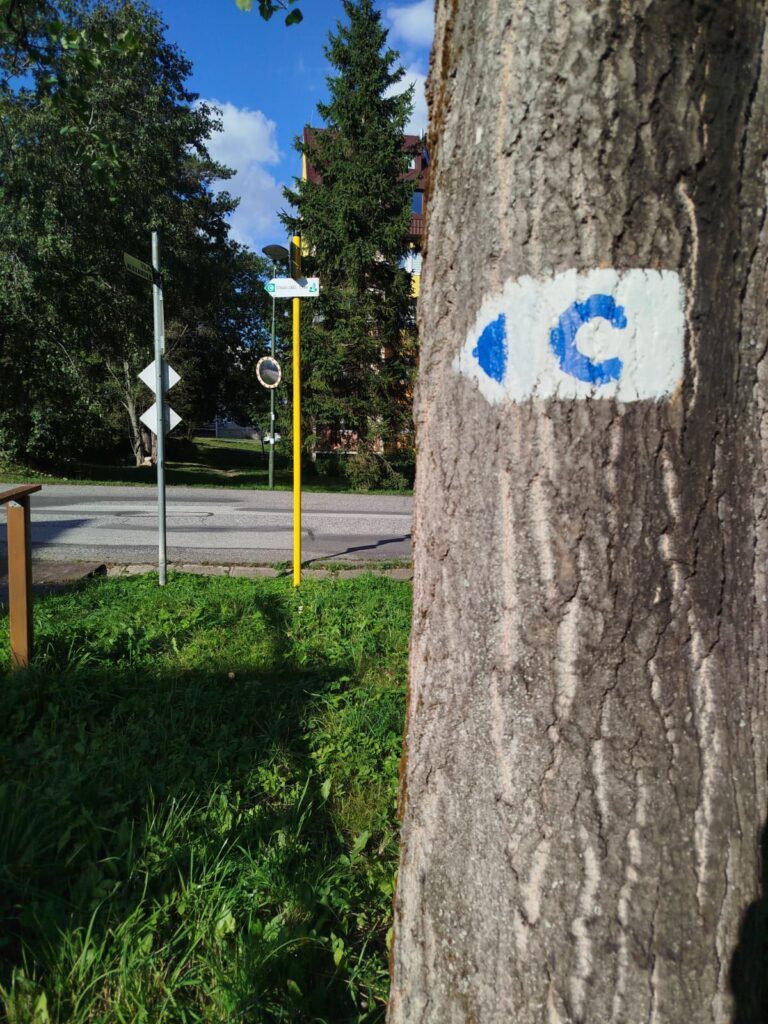


Must-See Places. Discover them one by one
Every corner of the High Tatras has its own story. Discover the places that shape the character of the region.




The Tatra Mountains wake up differently every day
Current conditions, upcoming events, and editorial recommendations. Everything you need to know before heading to the Tatras.

Webcams
Poprad
2°C
Partly cloudy

Lomnický štít
-6°C
Partly cloudy
Tatranská Lomnica
1°C
Partly cloudy
Starý Smokovec
2°C
Partly cloudy
Hrebienok
1°C
Partly cloudy
Štrbské Pleso
2°C
Partly cloudy
Skalnaté pleso
0°C
Partly cloudy
Solisko
1°C
Partly cloudy


Everything You Need to Know Before Your Trip
Answers to the most frequently asked questions about the High Tatras region.