Lysá Poľana
A village where the Slovak Tatra Mountains meet Poland


Elevation
A Tatra settlement in the High Tatras
A village on the Slovak-Polish border
A border settlement at the entrance to the Bielovodská Valley
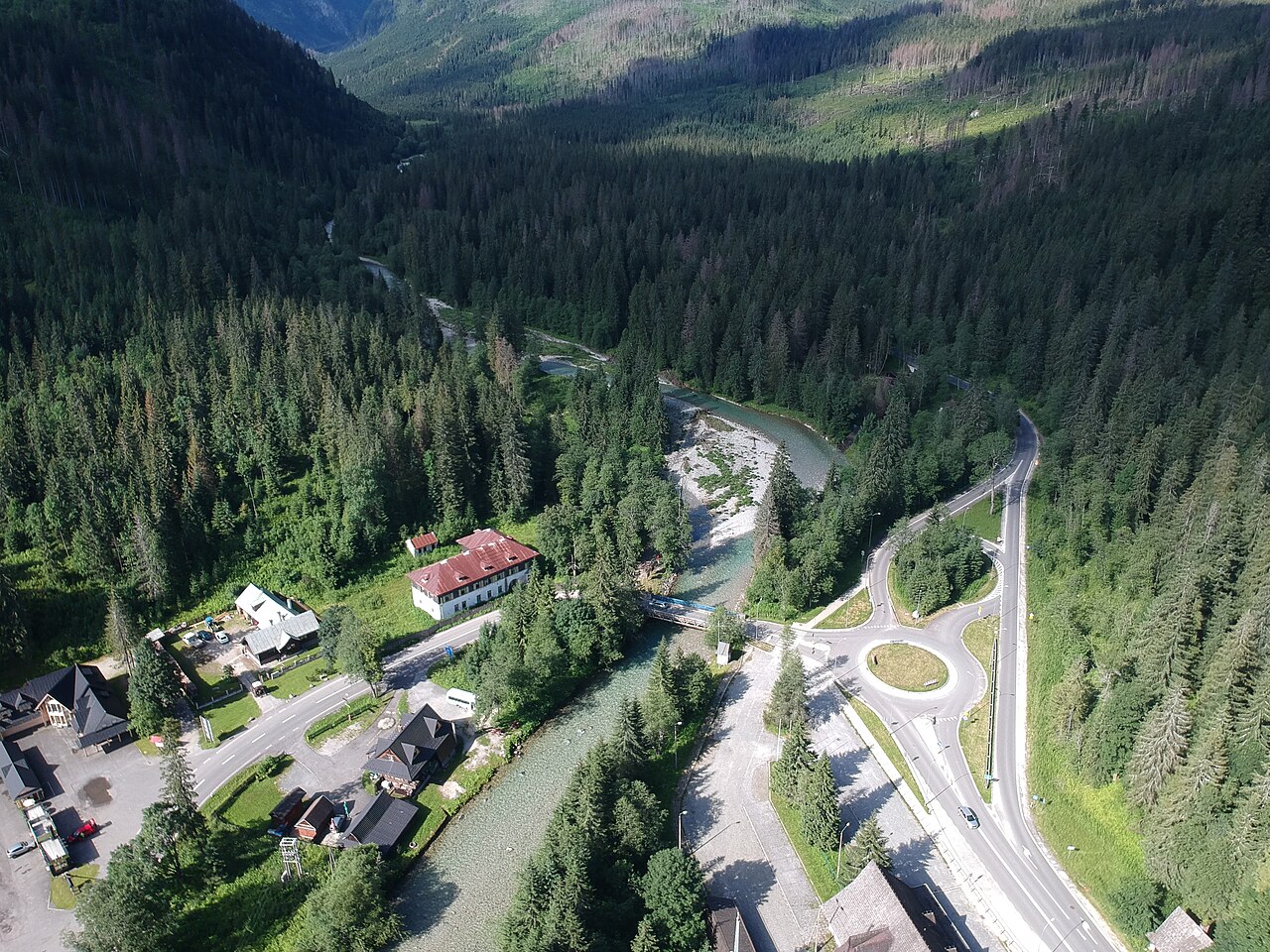
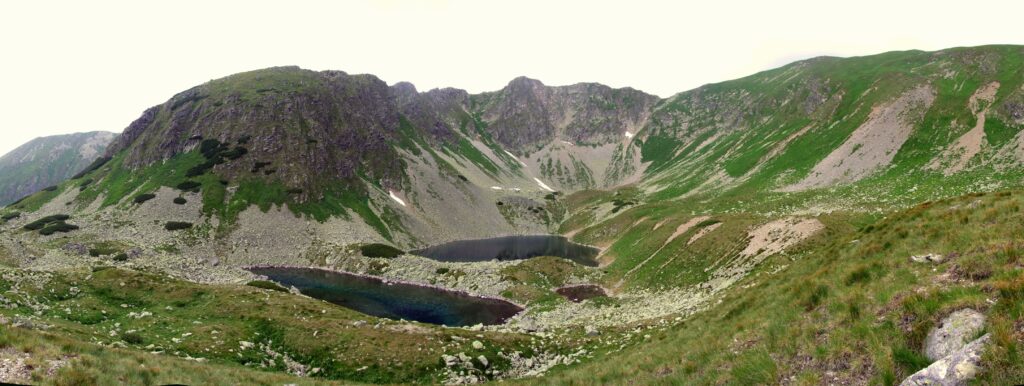
Lysá Poľana is a tourist settlement that is part of the village of Tatranská Javorina. It is located on the northern edge of the High Tatras, right on the state border with Poland, and serves as an important starting point for the Bielovodská Valley.
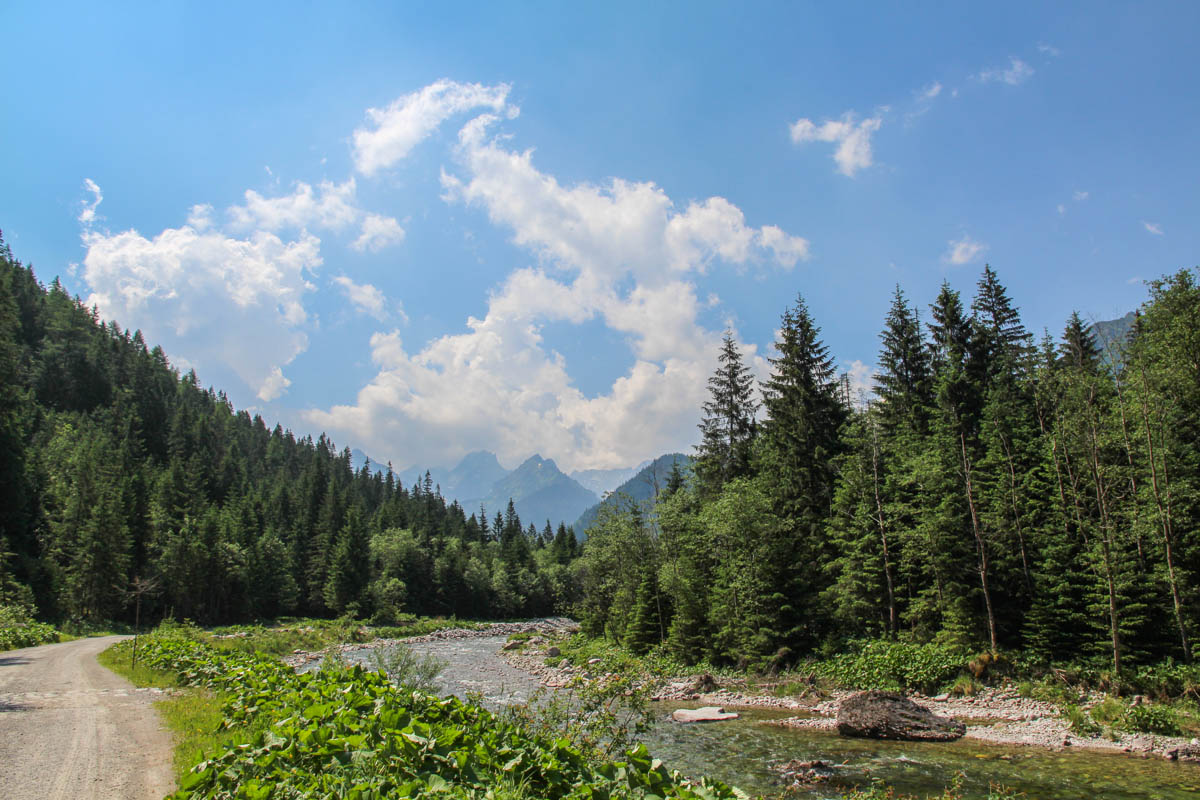
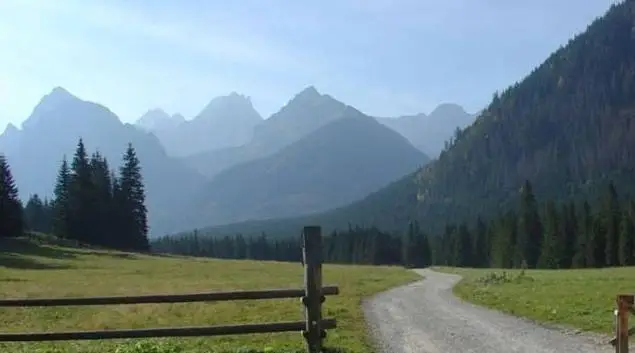
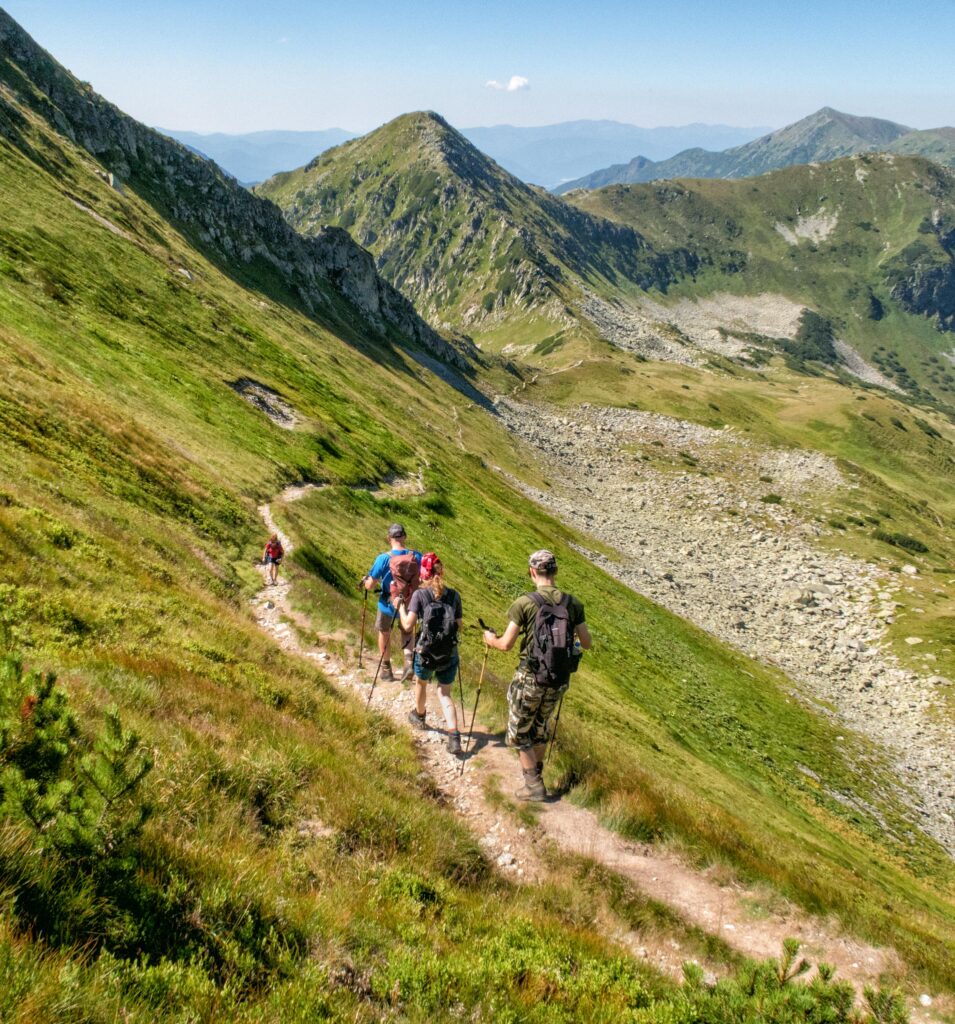
A blue-marked hiking trail leads from the settlement along the Biela Voda stream through the Bielovodská Polana. The trail continues past Hviezdoslav’s Waterfall toward the Kačacie and Litvorová valleys. A more peaceful alternative is the path to the forest ranger station or the bike trail leading through the Bielovodská Valley.

What We Offer

What do you need to know before you arrive?
Please read this before your visit
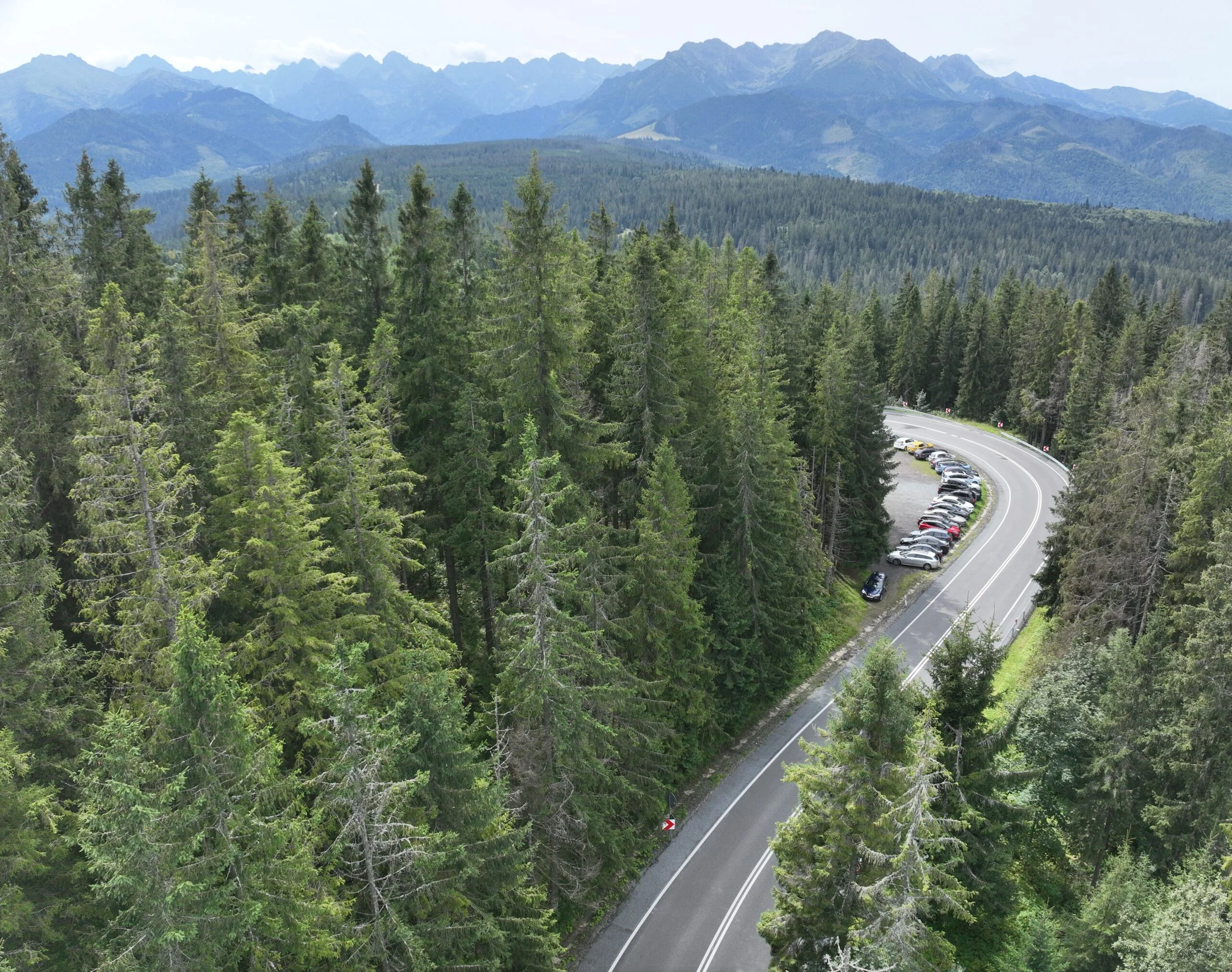
Lysá Poľana is one of the busiest places on the Slovak-Polish border. During weekends and the peak tourist season, expect heavy traffic and limited parking.
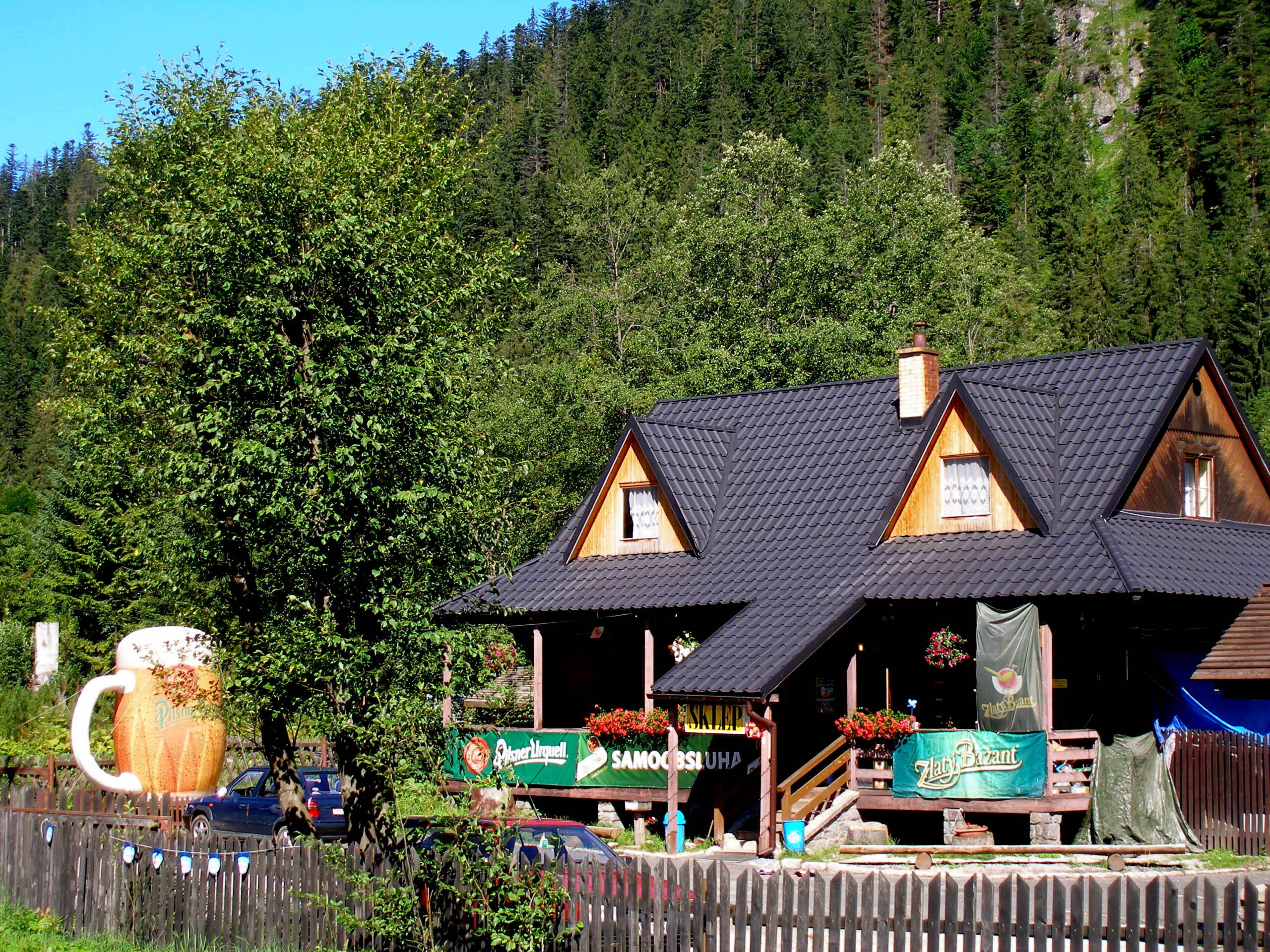
There are no extensive tourist facilities in the village itself. Therefore, before entering the valley, be sure to bring plenty of water, food, and everything else you’ll need for your planned trip.
The trail to the forest ranger station in the Bielovodská Valley has a compacted gravel surface and is approximately four kilometers long. The more challenging sections leading into the high-mountain terrain require good physical condition, appropriate gear, and adherence to seasonal closures.
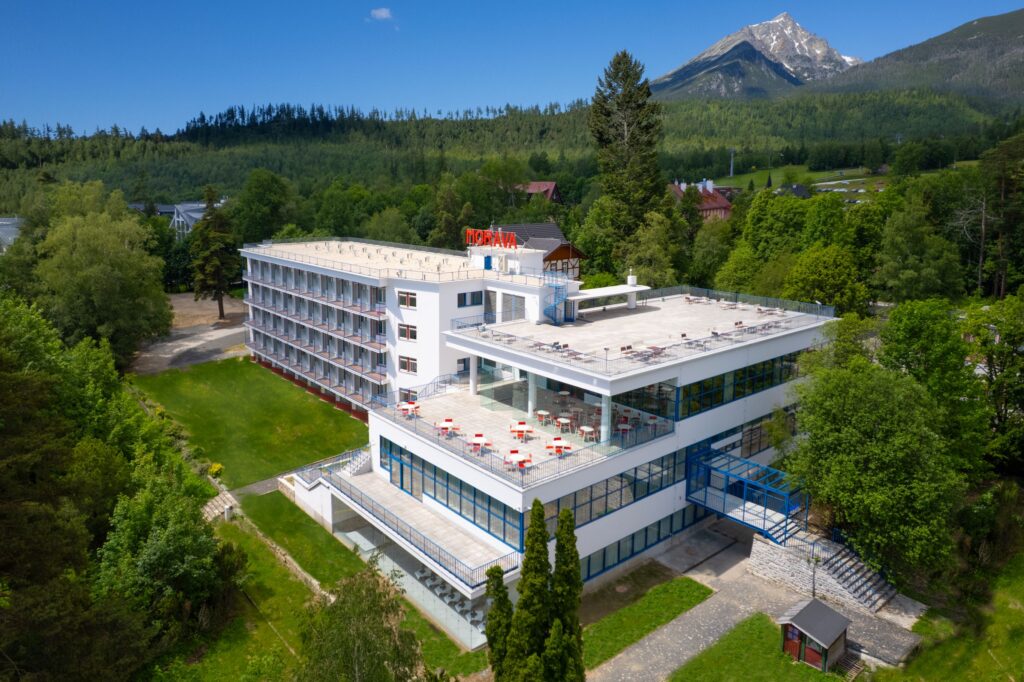
Where to Stay in the Area
Plan a comfortable stay—choose accommodations near this location and enjoy the region to the fullest without unnecessary travel.




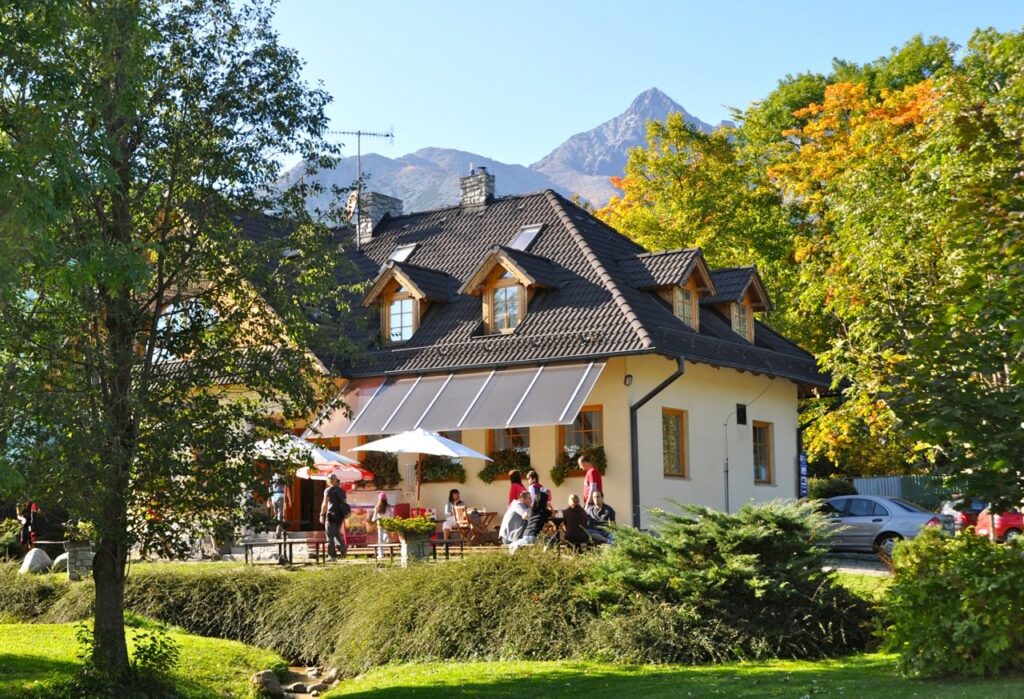
Where to Eat in the Area
From traditional Tatra mountain huts to modern restaurants with mountain views—discover the local cuisine and plan where you’ll treat yourself to a well-deserved break with a good meal after your trip.




That's how it looks here. Take a look

Discover other cities and towns in the region
Every town and village in the Tatra Mountains has its own history, character, and atmosphere—explore other destinations worth visiting.


Must-See Places. Discover them one by one
Every corner of the Tatra Mountains has its own story. Discover the places that shape the character of the region.






The Tatra Mountains wake up differently every day
Current conditions, upcoming events, and editorial recommendations. Everything you need to know before heading to the Tatras.

Webcams
Poprad
-2°C
Clear

Lomnický štít
-11°C
Clear
Tatranská Lomnica
-3°C
Clear
Starý Smokovec
-2°C
Clear
Hrebienok
-3°C
Clear
Štrbské Pleso
-1°C
Clear
Skalnaté pleso
-2°C
Clear
Solisko
-2°C
Clear


Everything You Need to Know Before Your Trip
Answers to the most frequently asked questions about the High Tatras region.