Savarin Restaurant – Grand Hotel Bellevue

Hotel Bellevue
Horný Smokovec
Elegant environment

Hotel restaurant with a gourmet legacy

Buffet breakfast

A rich selection for both resident and non-resident guests

Wide range of choices

Meat, specialties, salads, and desserts

Hotel restaurant with a rich variety of flavors

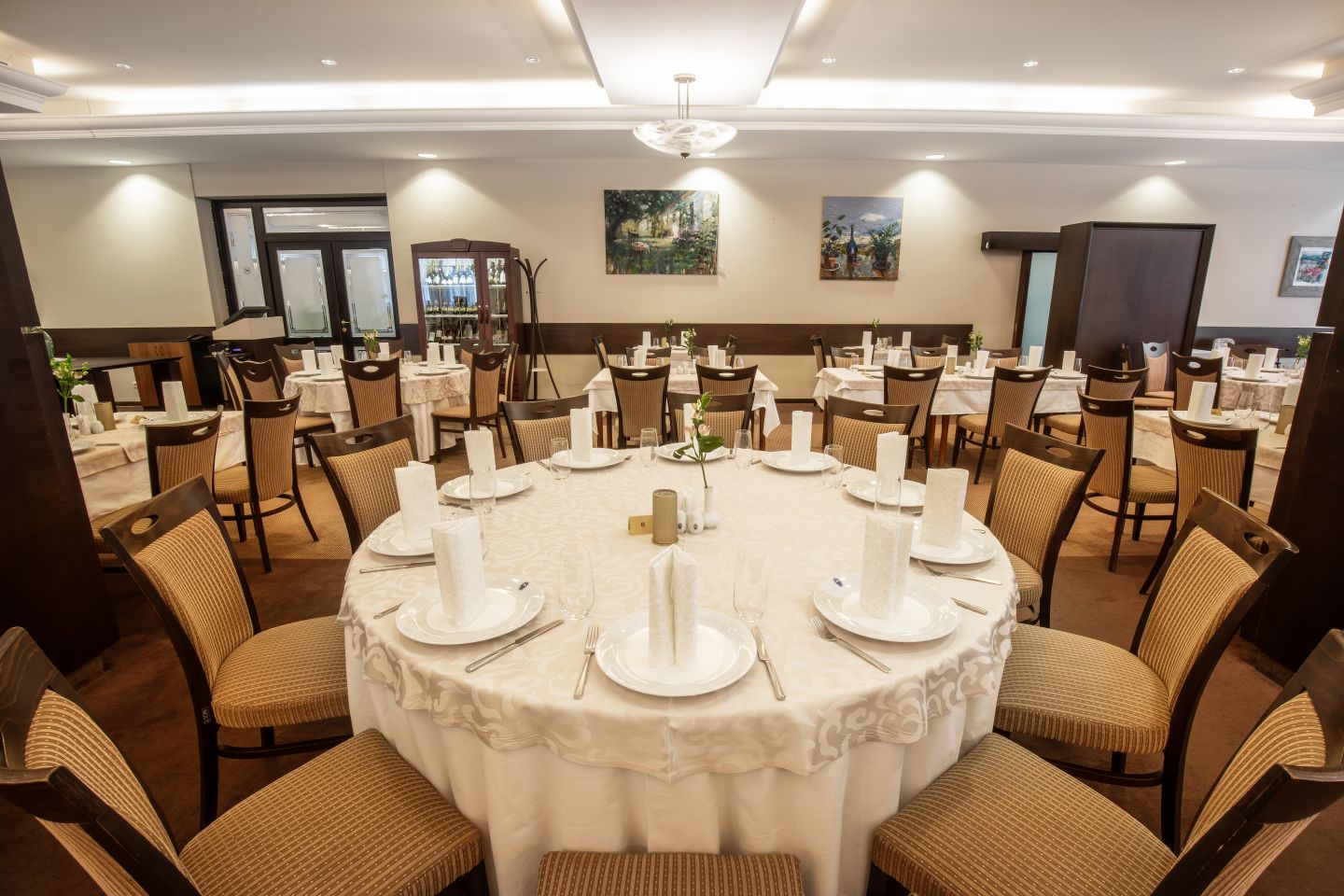
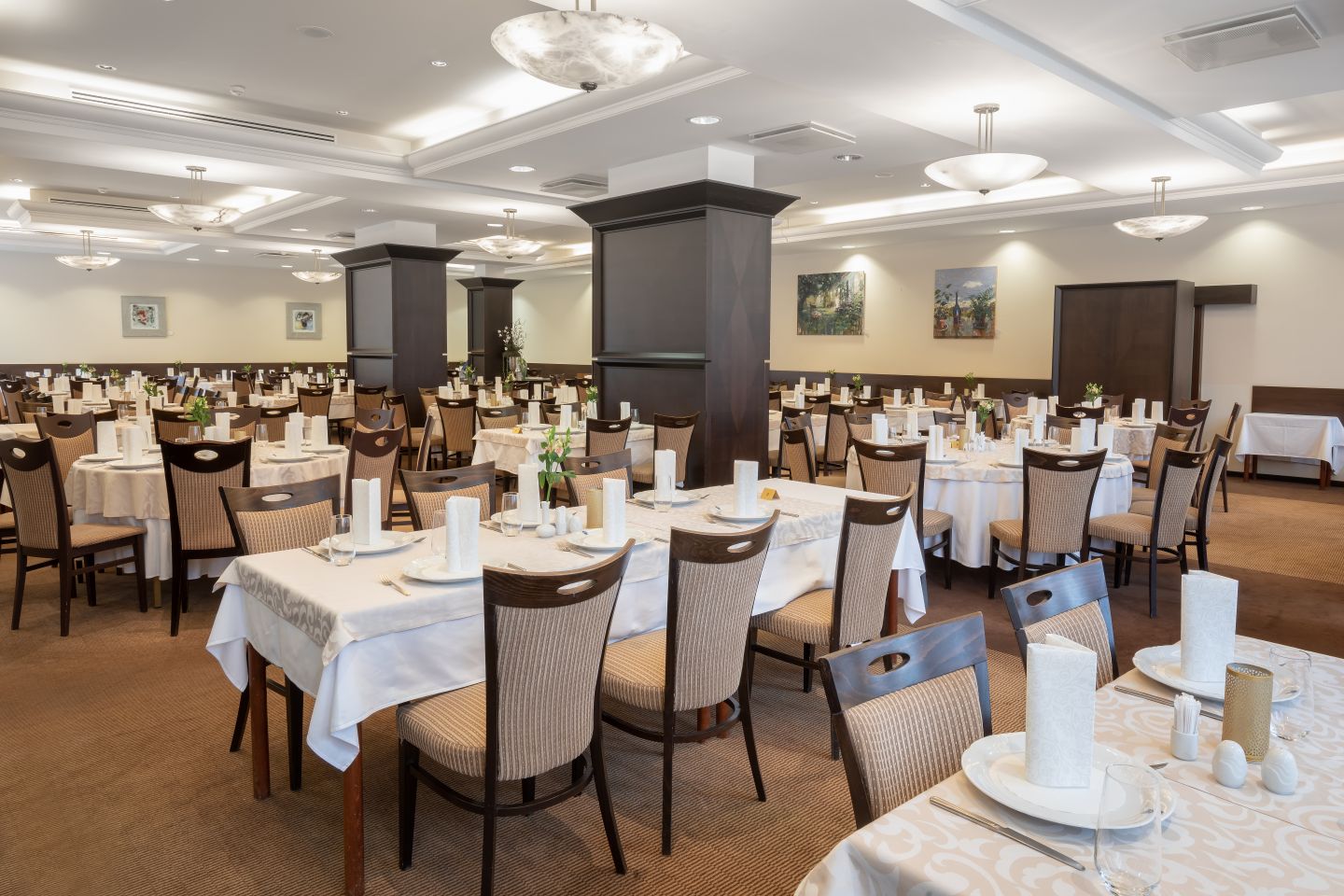
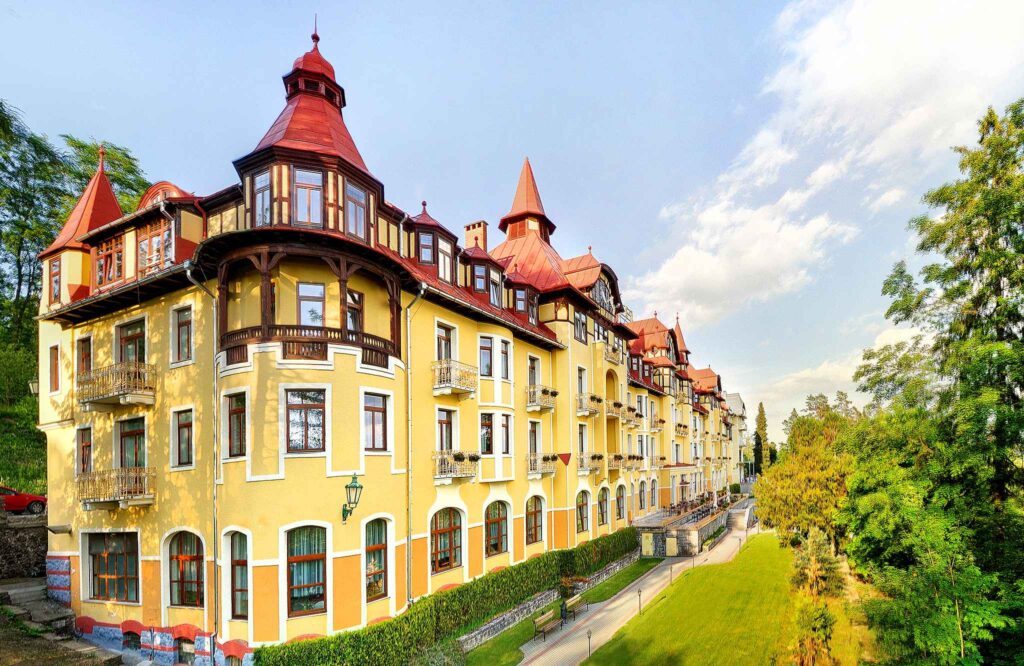
Savarin Restaurant at Grand Hotel Bellevue is an elegantly furnished hotel restaurant named after the French gourmet and gastronome Brillat-Savarin. It offers a wide selection of dishes in a pleasant environment suitable for breakfast, lunch, and dinner.

Guests can enjoy a rich buffet breakfast, which is available not only to residents but also to non-resident visitors. The menu includes various types of meat, chef’s specialties, vegetarian dishes, fresh vegetable salads, and desserts.

Buffet breakfast for guests and the public
Chef's Specialties
Vegetarian dishes, salads, and desserts
What We Offer
Buffet breakfast
An Elegant Seating Area
Desserts
What do you need to know before you arrive?
The restaurant is also open to non-resident guests
Breakfast and dinner are served buffet-style
Chef's specialties are available
Vegetarian dishes are also available
You can choose from salads and desserts

Please read this before your visit

Restaurant Menu

Savarin Restaurant offers various types of meat, chef's specialties, vegetarian dishes, fresh vegetable salads, and desserts.

Buffet dining

Breakfast and dinner are served in the form of rich buffet tables. The offer is available to both resident and non-resident guests.

Name and location

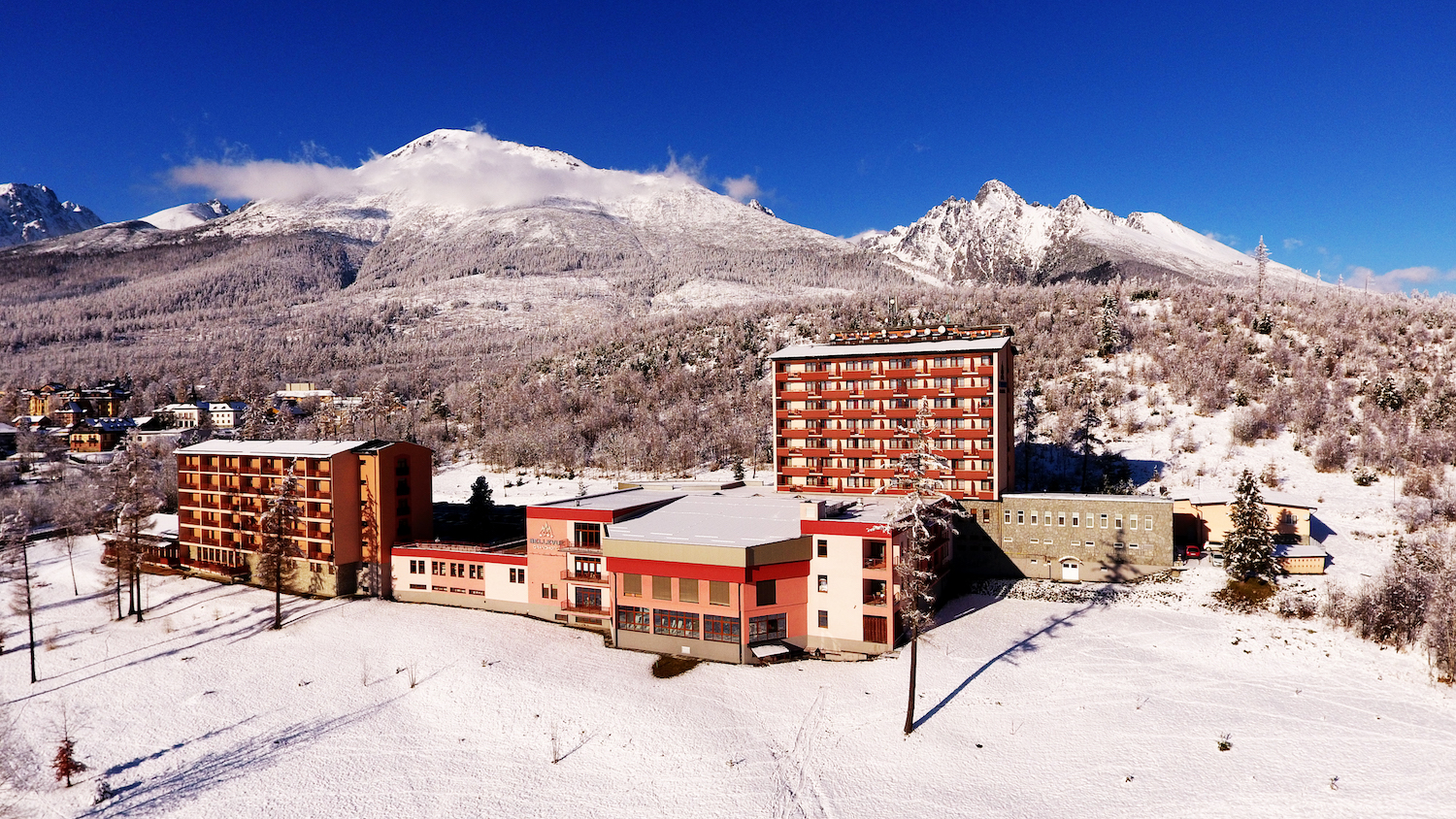
This elegant hotel restaurant is named after the French gourmet and gastronome Brillat-Savarin. It is located within the Grand Hotel Bellevue in Horný Smokovec.

More dining tips in the region. Discover one place at a time

Discover more culinary experiences in the area. Each place has its own unique flavor and atmosphere.

Everything You Need to Know Before Your Trip

Answers to the most frequently asked questions about the High Tatras region.

    The Tatras directly to your inbox

    Once in a while, we'll send you the best.

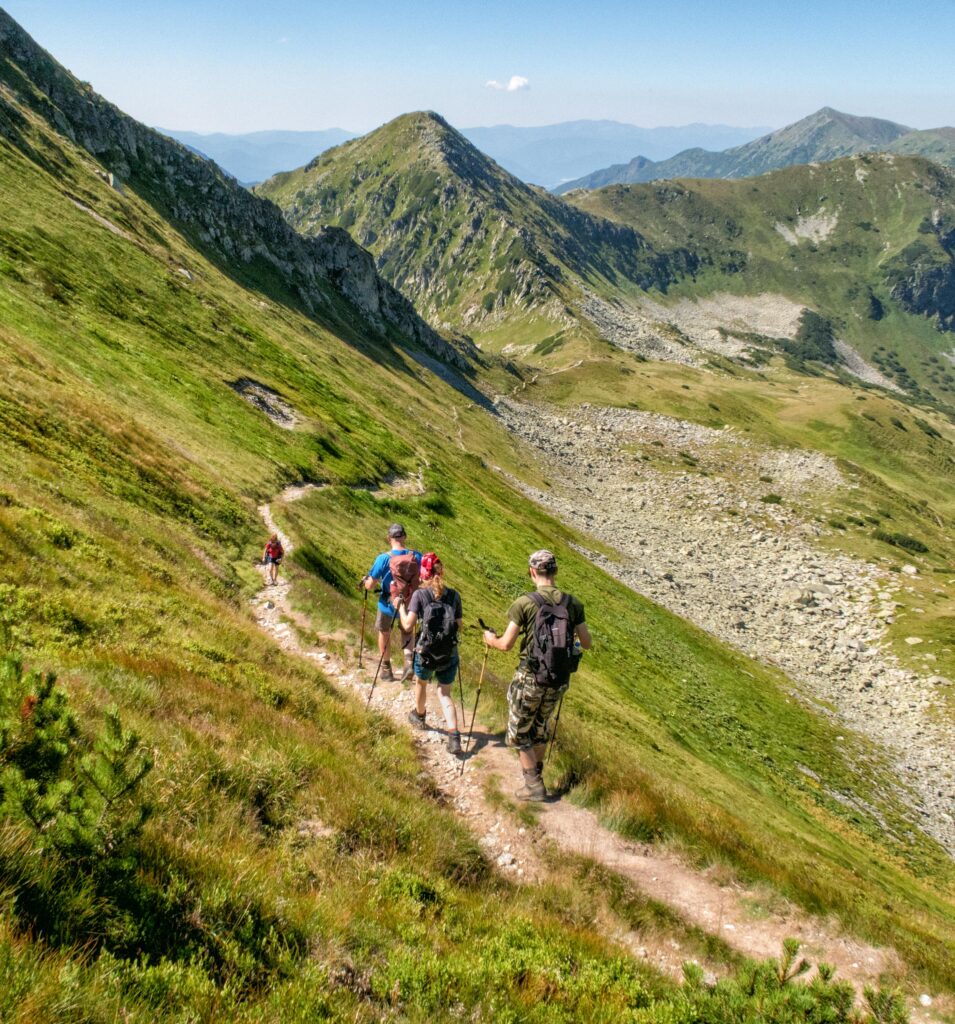
    The High Tatras have something to offer all year round. The best time for high-altitude hiking is from June to October, when the hiking trails at higher elevations are open. Fall brings more stable weather, pleasant temperatures, and beautiful views. Winter is ideal for skiing, winter walks, and visiting locations that are accessible year-round. Before setting out on a trip, always check the current weather conditions and any trail closures.

    You do not need a special permit for regular hiking on marked trails. However, you must comply with TANAP’s visitor regulations and seasonal closures, and you may only hike on open trails. Special rules apply, for example, to rock climbing, ski mountaineering, hiking off marked trails, or bringing a dog into the park.

    You can easily reach the main Tatra resorts by train. The Tatra Electric Railways connect Poprad, Starý Smokovec, Štrbské Pleso, and Tatranská Lomnica. A cog railway runs from Štrba to Štrbské Pleso. You can also take advantage of regular bus routes and seasonal shuttle services in the region.

    You can park in designated parking lots in the various Tatra villages. During peak periods, we recommend using the P+R park-and-ride lot at Eurocamp in Tatranská Lomnica and continuing by shuttle bus. From this parking lot, you can take public transportation to destinations such as Tatranská Lomnica, Tatranské Matliare, Biela Voda, or the Belianska Cave.

    For hiking, choose sturdy hiking boots with non-slip soles that stabilize your feet and protect them on rocky or wet terrain. Your gear should also include weather-appropriate clothing and a rain jacket. Sandals and regular city shoes are not suitable for more demanding hikes.

    When a storm is approaching, leave peaks, ridges, saddles, mountain passes, and open areas as soon as possible. Descend to lower elevations, avoid standing near isolated trees or metal objects, and keep your distance from other members of your group. If possible, take shelter in a mountain hut or a safe building. The best prevention is to check the weather forecast, set out early in the morning, and shorten or cancel your hike in a timely manner if conditions take a turn for the worse. Safety must take precedence over reaching your destination.