8873 – Nižná Šuňava – Štrba
An easy bike route between Nižná Šuňava and Štrba



A short route between villages
Estimated travel time
Also suitable for families
From Nižná Šuňava, a gentle climb all the way to Štrba
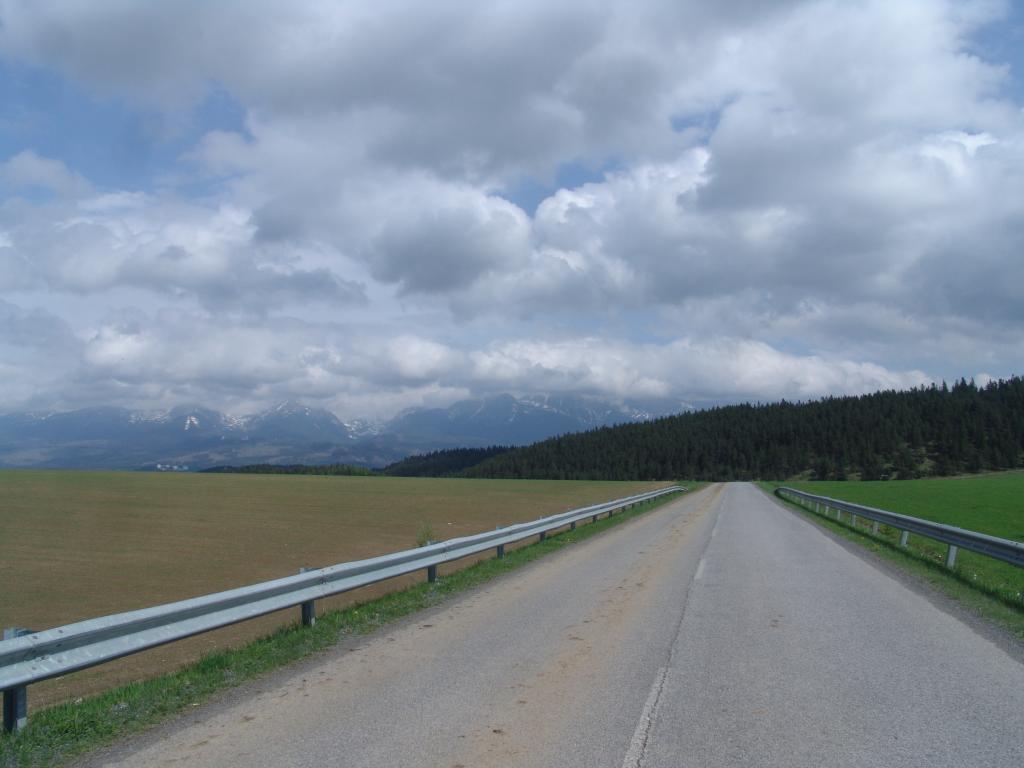
The bike trail begins in Nižná Šuňava and gradually climbs along a paved road toward Štrba. This short and technically easy section offers views of the Tatra ridge and the surrounding landscape at the foot of the Tatras.
The route primarily serves as a convenient link between villages. From Štrba, you can continue toward Štrbské Pleso or Šoldov, or connect it with other routes around Šuňava to create a longer cycling loop.
What We Offer

Trasa a výškový profil
What do you need to know before you arrive?
Please read this before your visit
The entire bike route follows a Class III paved road and local roads. Therefore, expect motor vehicle traffic and ride on the right side of the road.
On the route from Nižná Šuňava to Štrba, the trail gradually gains elevation. The climb is not technically challenging, and even recreational cyclists can manage it at a leisurely pace.
The bike trail primarily serves as a short link between the villages at the foot of the Tatra Mountains. From Štrba, you can continue toward Štrbské Pleso or Vyšná Šuňava, or create a longer regional loop.
A short route connecting Nižná Šuňava with Štrba and views of the Tatra Mountains
Bike Trail 8873 connects Nižná Šuňava with the village of Štrba. A short paved section gradually climbs through the open landscape at the foot of the Tatra Mountains, offering views of the Tatra ridge and the surrounding villages.
Thanks to its easy terrain and short length, the route is suitable for recreational cyclists and families with children. However, since it runs along a local road, you must pay attention to traffic while riding.
From Nižná Šuňava toward Štrba
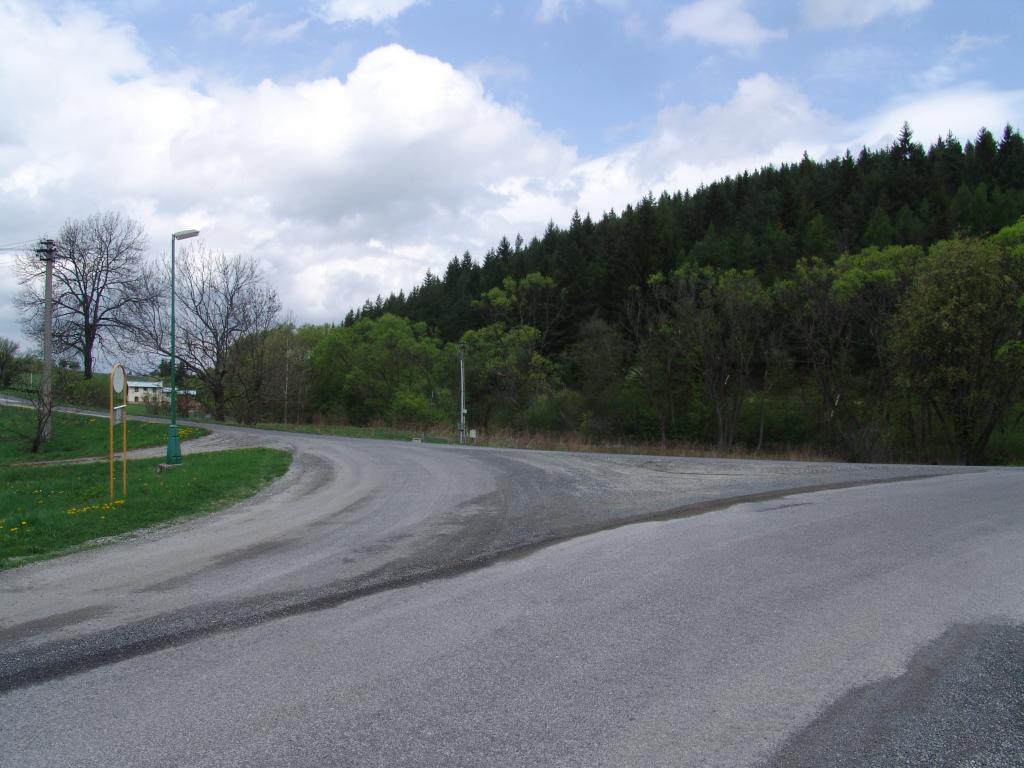
The route begins in Nižná Šuňava and continues northward along an asphalt road. It gradually gains elevation along the way, but there are no technically challenging sections.
Views of the landscape beneath the Tatra Mountains
From the open sections of the route, you’ll enjoy panoramic views of the High Tatras and the surrounding countryside. Even a short trip offers a pleasant visual experience.
Continuing from Štrba
Upon arrival in Štrba, you can continue along other marked bike trails toward Štrbské Pleso, Šoldov, or Vyšná Šuňava.

Tak to u nás vyzerá. Pozrite sa
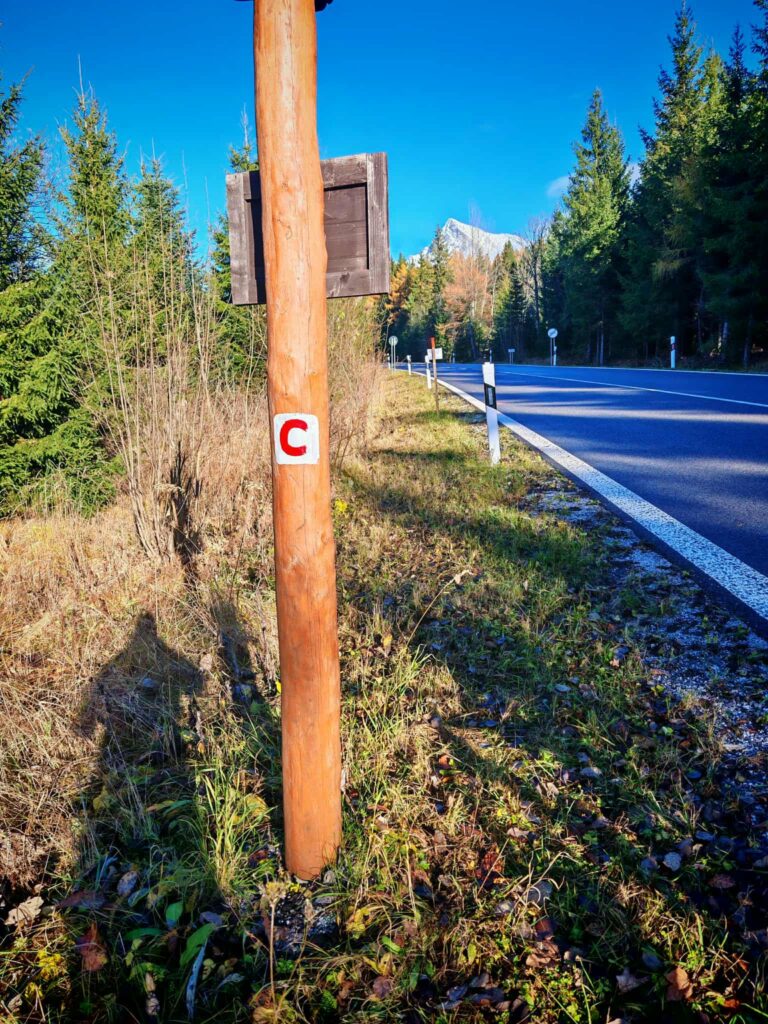
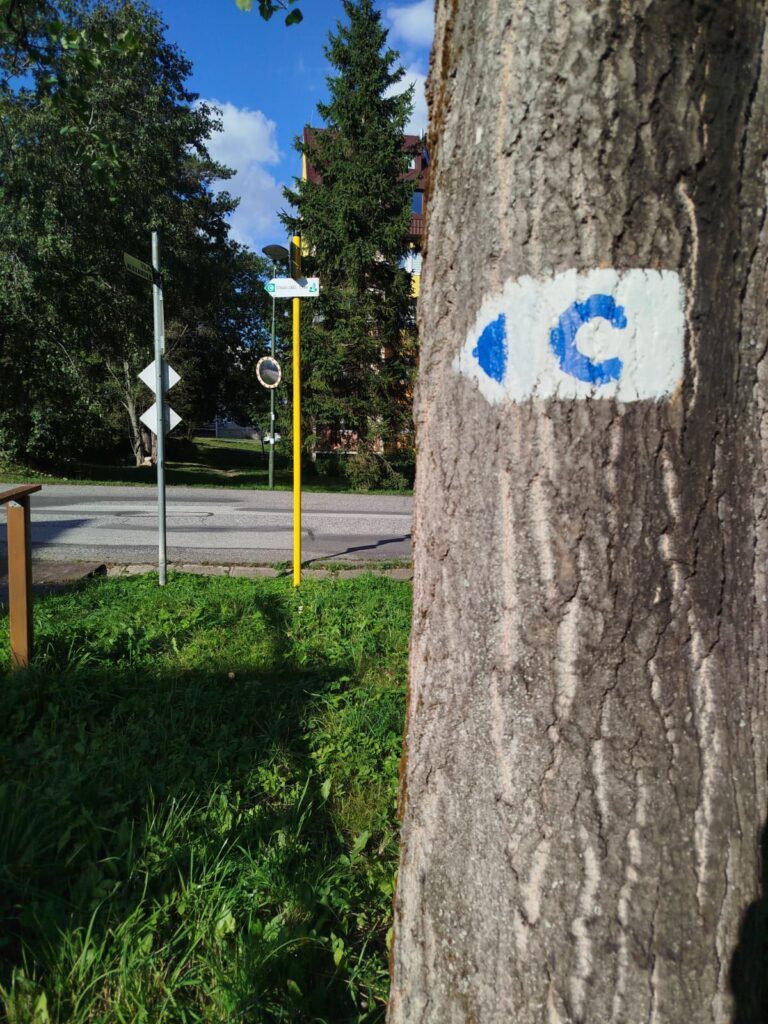
Explore the region on two wheels
The Tatra Mountains offer an extensive network of bike trails for every type of cyclist—from easy trails in the foothills to challenging mountain loops with views that make every strenuous pedal stroke worthwhile.




Must-See Places. Discover them one by one
Every corner of the High Tatras has its own story. Discover the places that shape the character of the region.




The Tatra Mountains wake up differently every day
Current conditions, upcoming events, and editorial recommendations. Everything you need to know before heading to the Tatras.

Webcams
Poprad
2°C
Clear

Lomnický štít
-5°C
Mostly clear

Tatranská Lomnica
0°C
Clear
Starý Smokovec
1°C
Clear
Hrebienok
0°C
Clear
Štrbské Pleso
1°C
Clear
Skalnaté pleso
0°C
Clear
Solisko
-1°C
Clear


Everything You Need to Know Before Your Trip
Answers to the most frequently asked questions about the High Tatras region.