Spišská Sobota
Spišská Sobota



Year of the first written mention
Years of the town's unbroken history
Years of the city's deposit in Poland
A medieval town where time has stood still and its beauty has been preserved for future generations
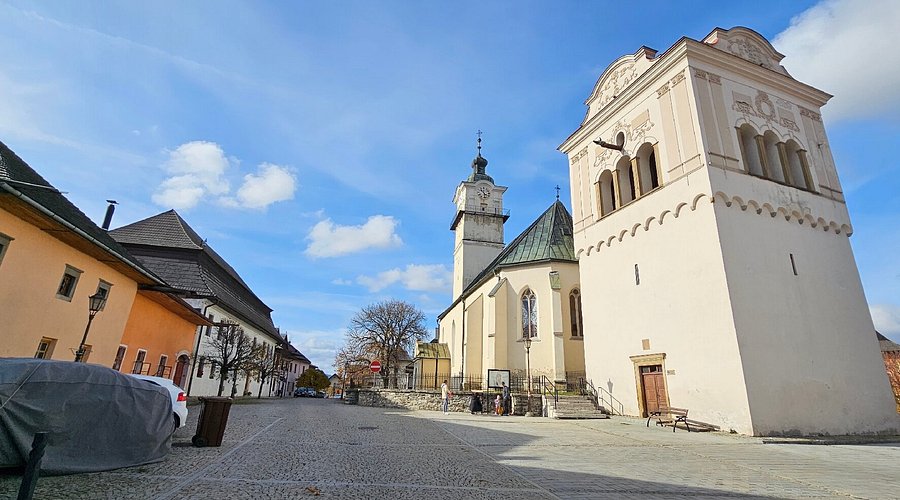
Spišská Sobota is a well-preserved medieval crafts town whose development came to a standstill in the 19th century—and that is precisely what has made it one of the most valuable historic towns in Slovakia. The first written mention dates back to 1256, when it was referred to as Forum Sabbathe—the Saturday Market—because markets were held here every Saturday, attracting merchants from all over the Spiš region.
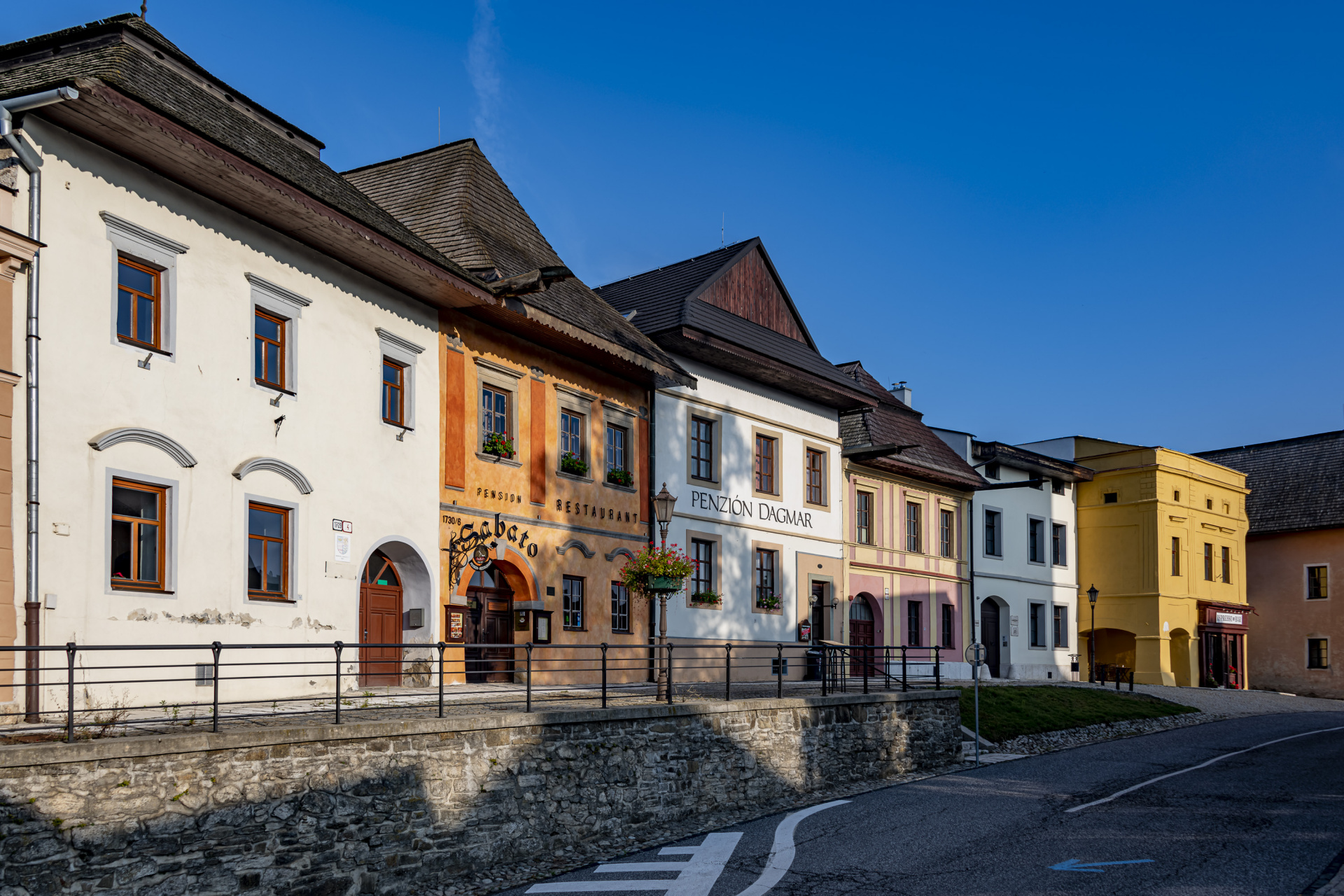
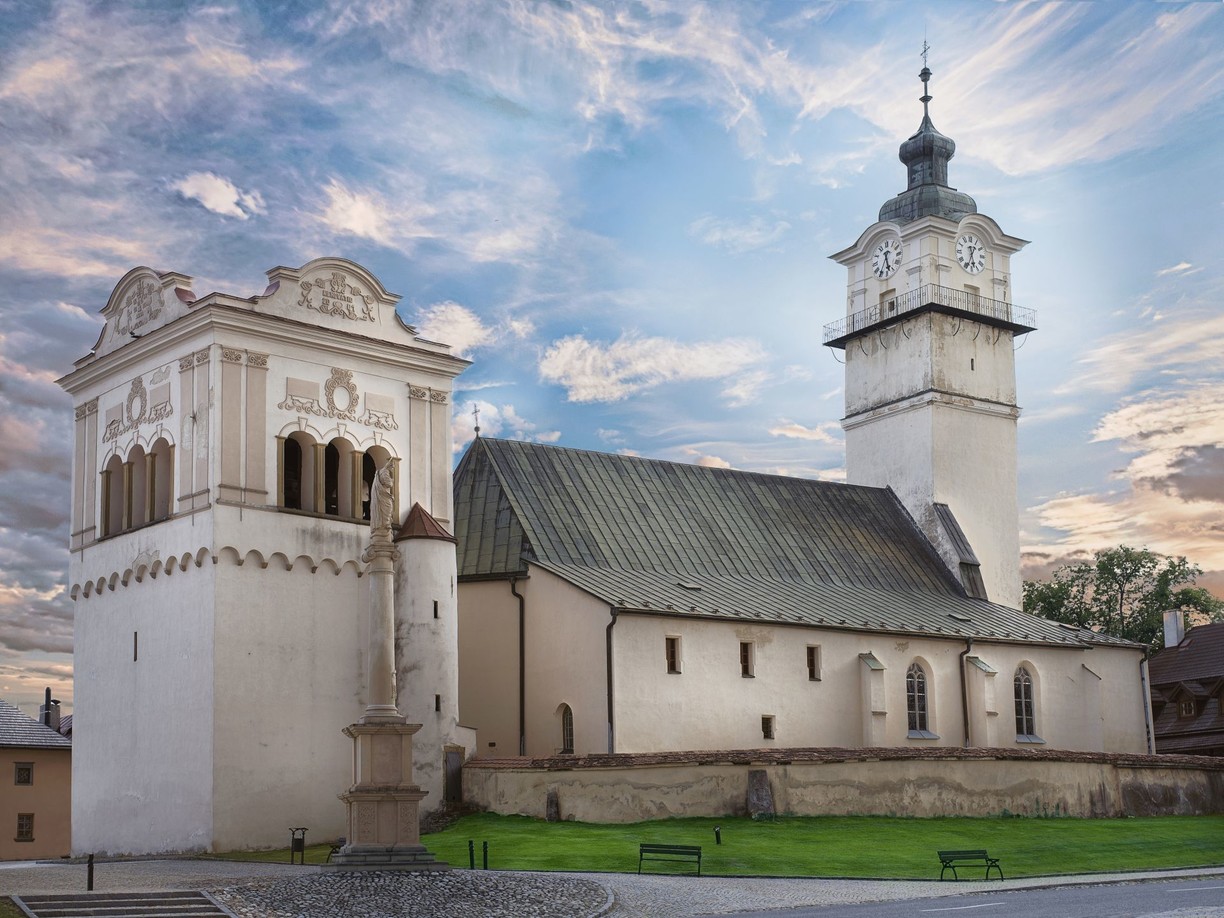
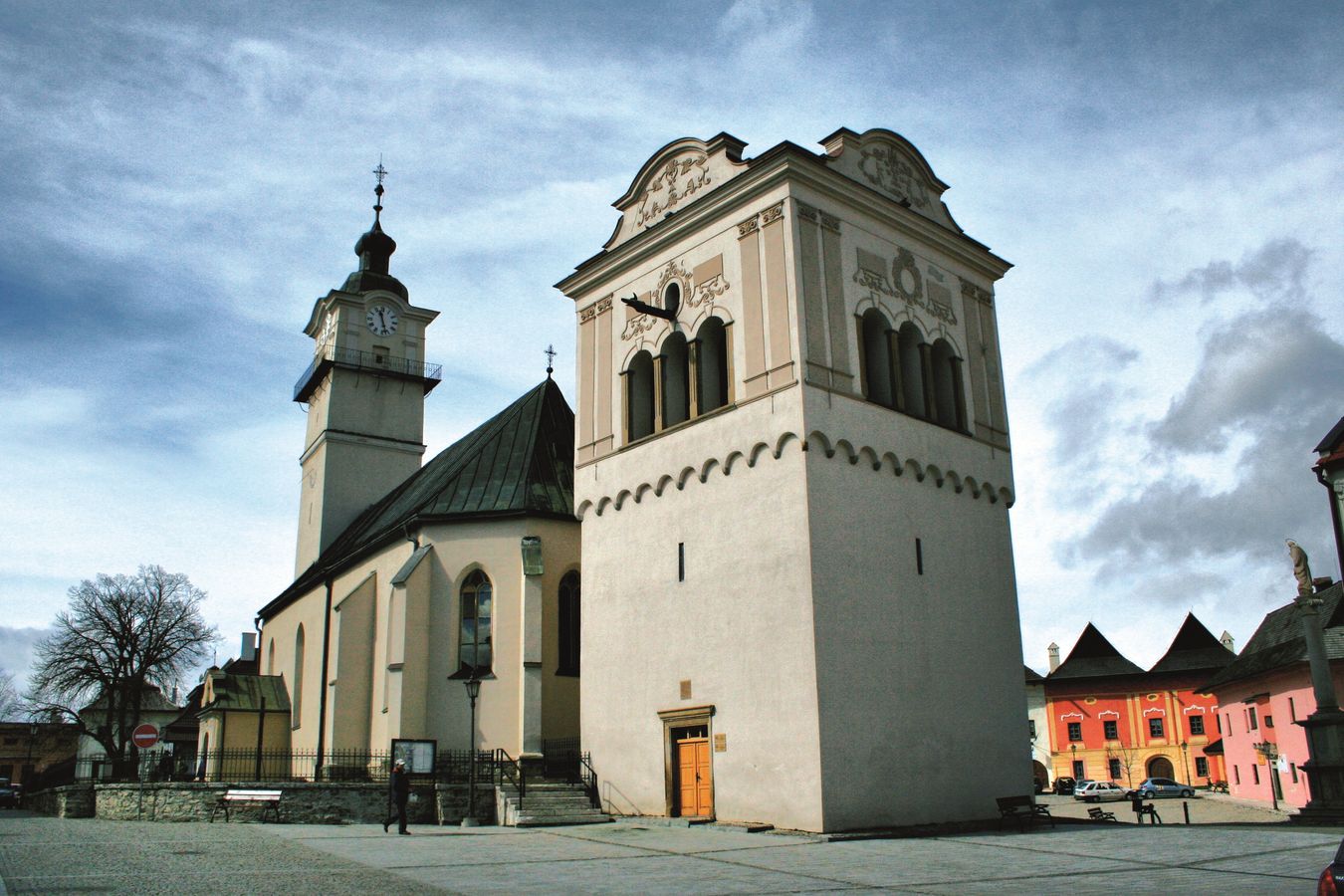
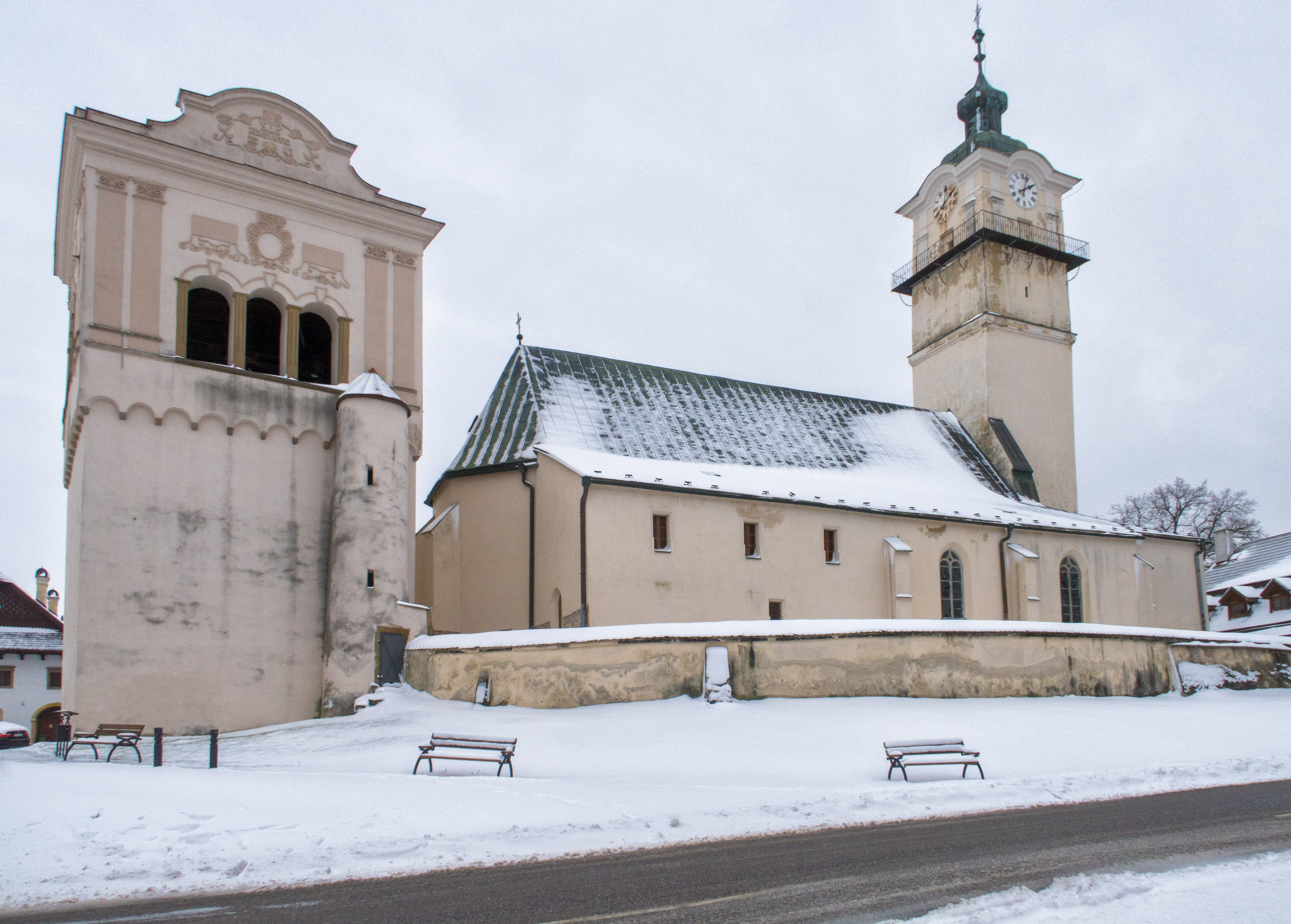
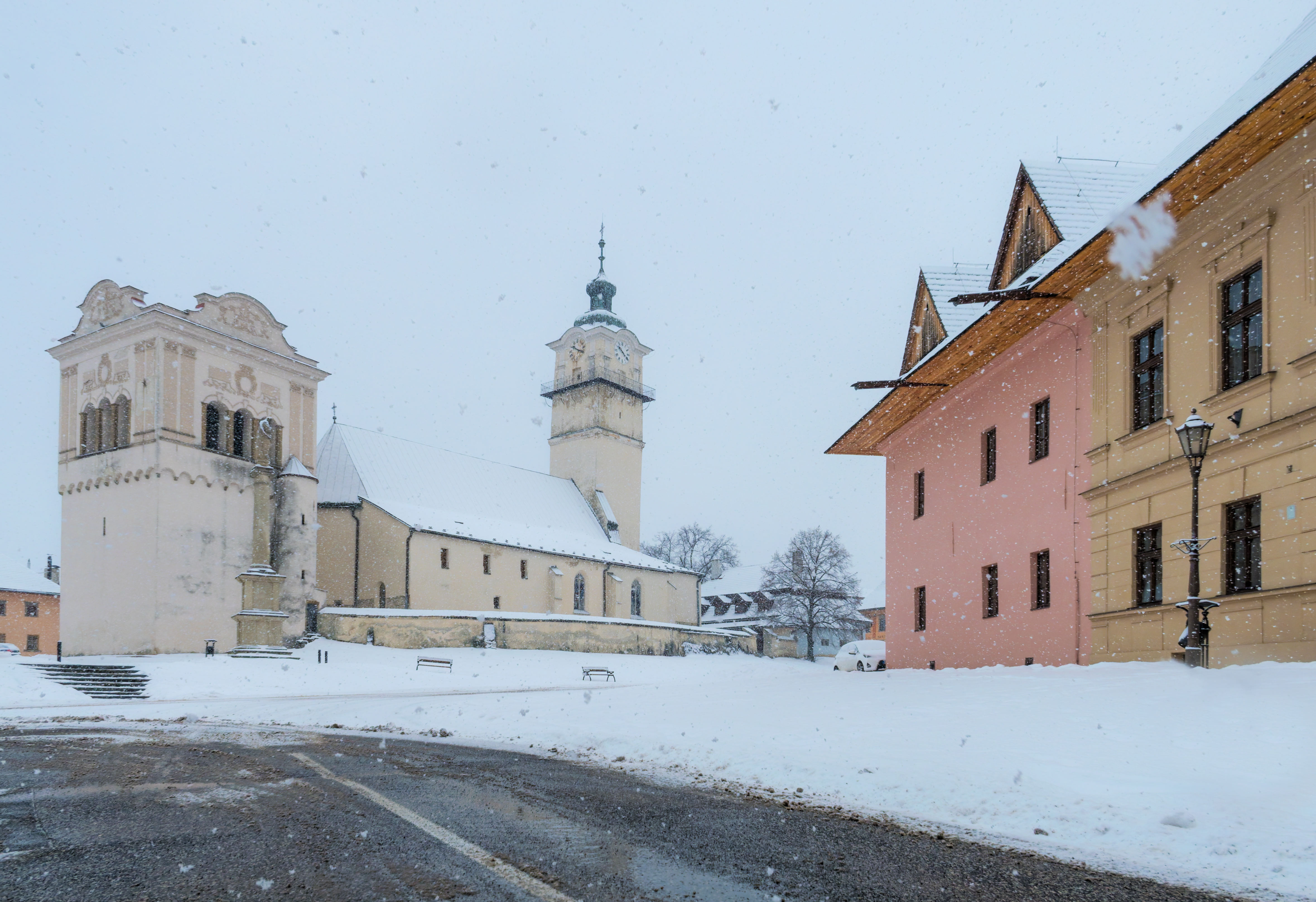
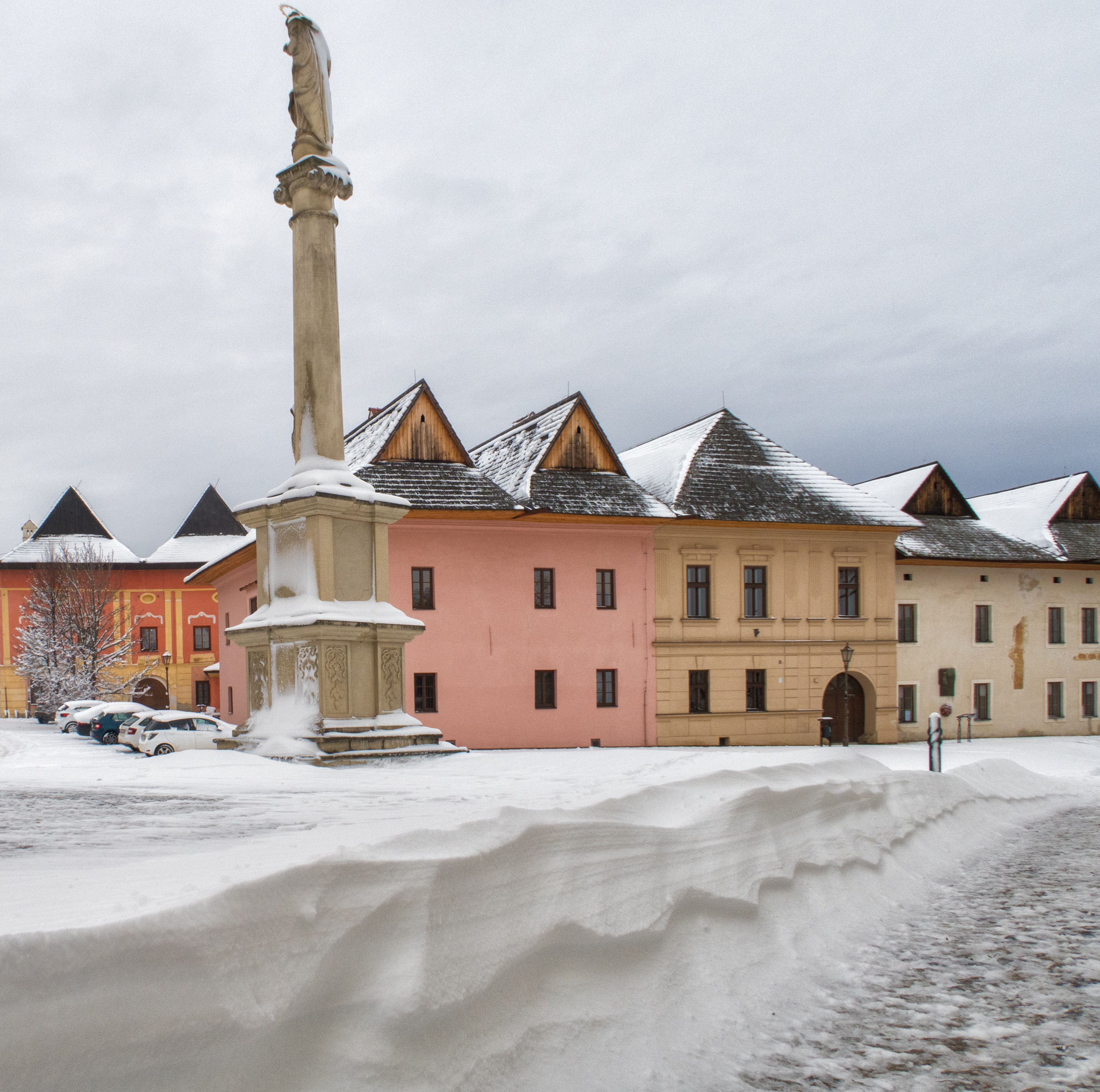
The lens-shaped square is lined with Gothic, Renaissance, and Baroque townhouses that bear witness to the agricultural and artisanal life of the original inhabitants. In the center of the square stands the 13th-century Late Romanesque Church of St. George, whose main altar and many of the side altars were crafted in the workshop of Master Paul of Levoča. The church houses five rare late-Gothic winged altars—the most valuable of which is the main altar, a masterpiece by the world-renowned Levoča master.
Due to its architectural and urban heritage, Spišská Sobota was designated a Municipal Historic Preservation District in 1950.

What We Offer

What do you need to know before you arrive?
Please read this before your visit
Hours of Operation and Seasonal Availability Hours of operation may vary depending on the season, holidays, and day of the week. Before visiting, check the current hours directly with the operator or on its website.
Historic sites undergo regular maintenance and restoration. Some sites may be temporarily closed or partially inaccessible.
Historic centers and natural sites often have limited parking capacity. You can also use public transportation to get there.
Where to Stay in the Area
Plan a comfortable stay—choose accommodations near this location and enjoy the region to the fullest without unnecessary travel.


Where to Eat in the Area
From traditional Tatra mountain huts to modern restaurants with mountain views—discover the local cuisine and plan where you’ll treat yourself to a well-deserved break with a good meal after your trip.





That's how it looks here. Take a look



Discover other cities and towns in the region
Every town and village in the Tatra Mountains has its own history, character, and atmosphere—explore other destinations worth visiting.


Must-See Places: Discover One Place at a Time
Every corner of the High Tatras has its own story. Discover the places that shape the character of the region.


The Tatra Mountains wake up differently every day
Current conditions, upcoming events, and editorial recommendations. Everything you need to know before heading to the Tatras.

Webcams
Poprad
-2°C
Clear

Lomnický štít
-9°C
Clear
Tatranská Lomnica
-2°C
Clear
Starý Smokovec
-1°C
Clear
Hrebienok
-2°C
Clear
Štrbské Pleso
0°C
Clear
Skalnaté pleso
-2°C
Clear
Solisko
-4°C
Clear


Everything You Need to Know Before Your Trip
Answers to the most frequently asked questions about the High Tatras region.