Levoča
Levoča


The height of the tallest wooden Gothic altar in the world
The Year Levoča Was Inscribed on the UNESCO World Heritage List
Original length of the city fortifications
Levoča is a town where the Middle Ages are still alive
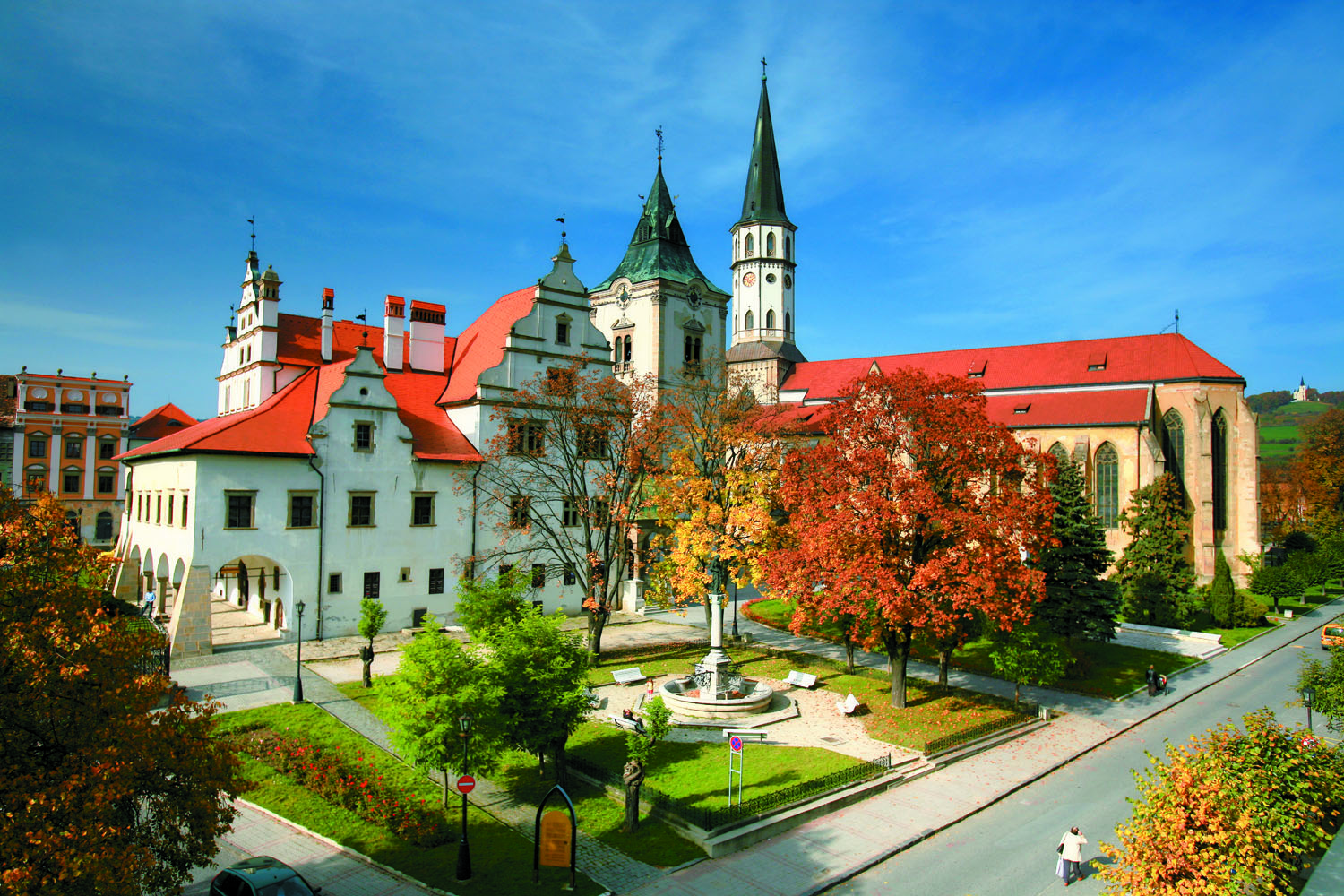
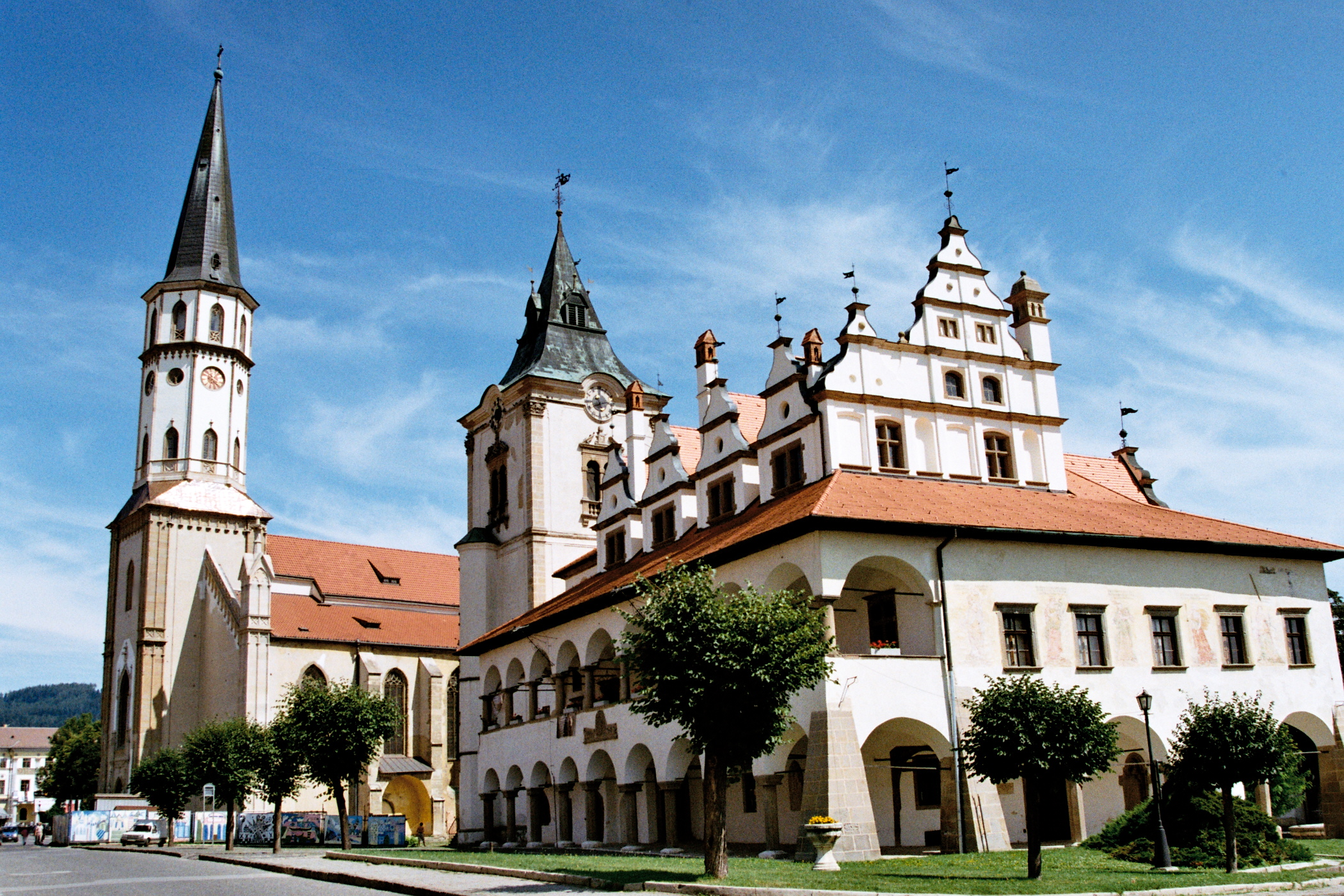
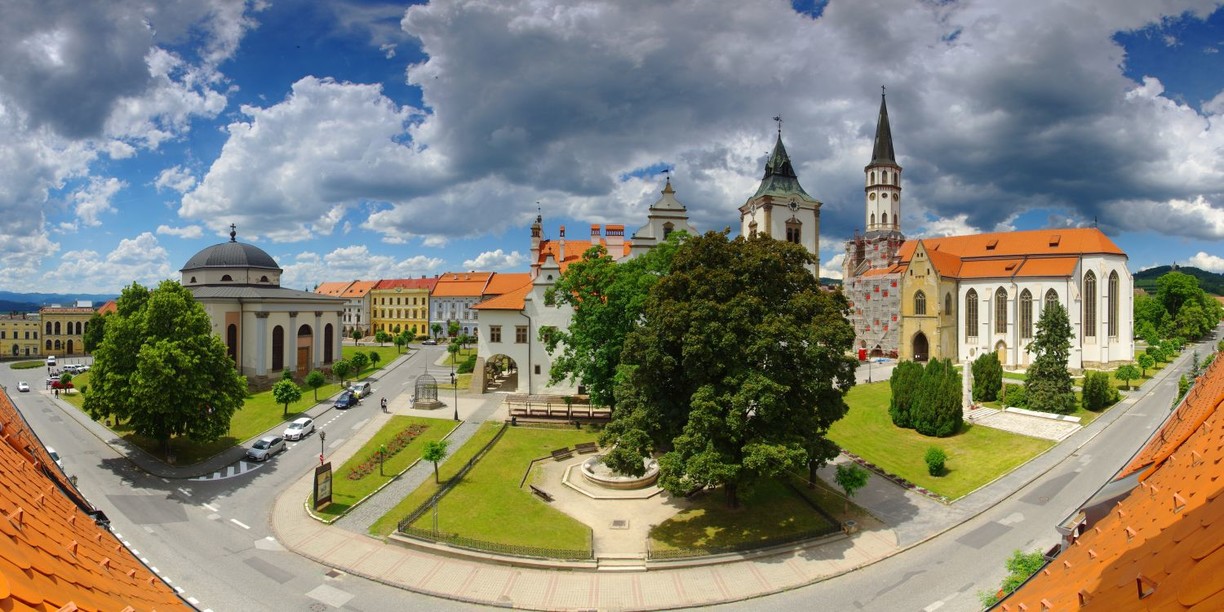
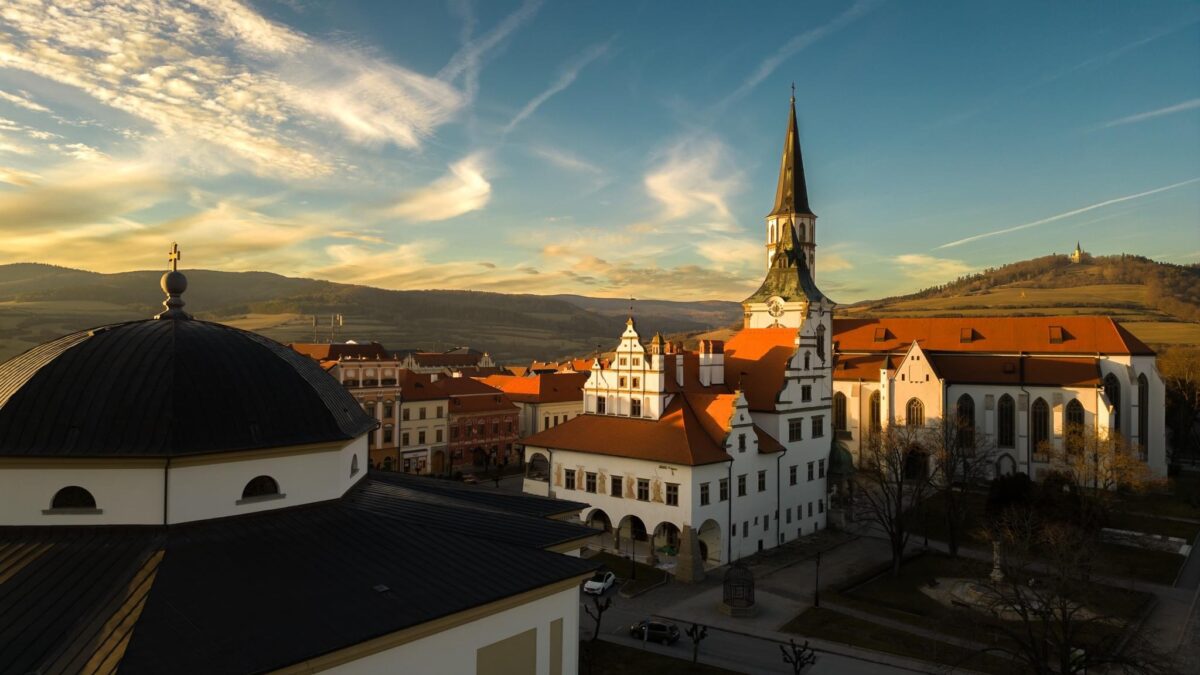
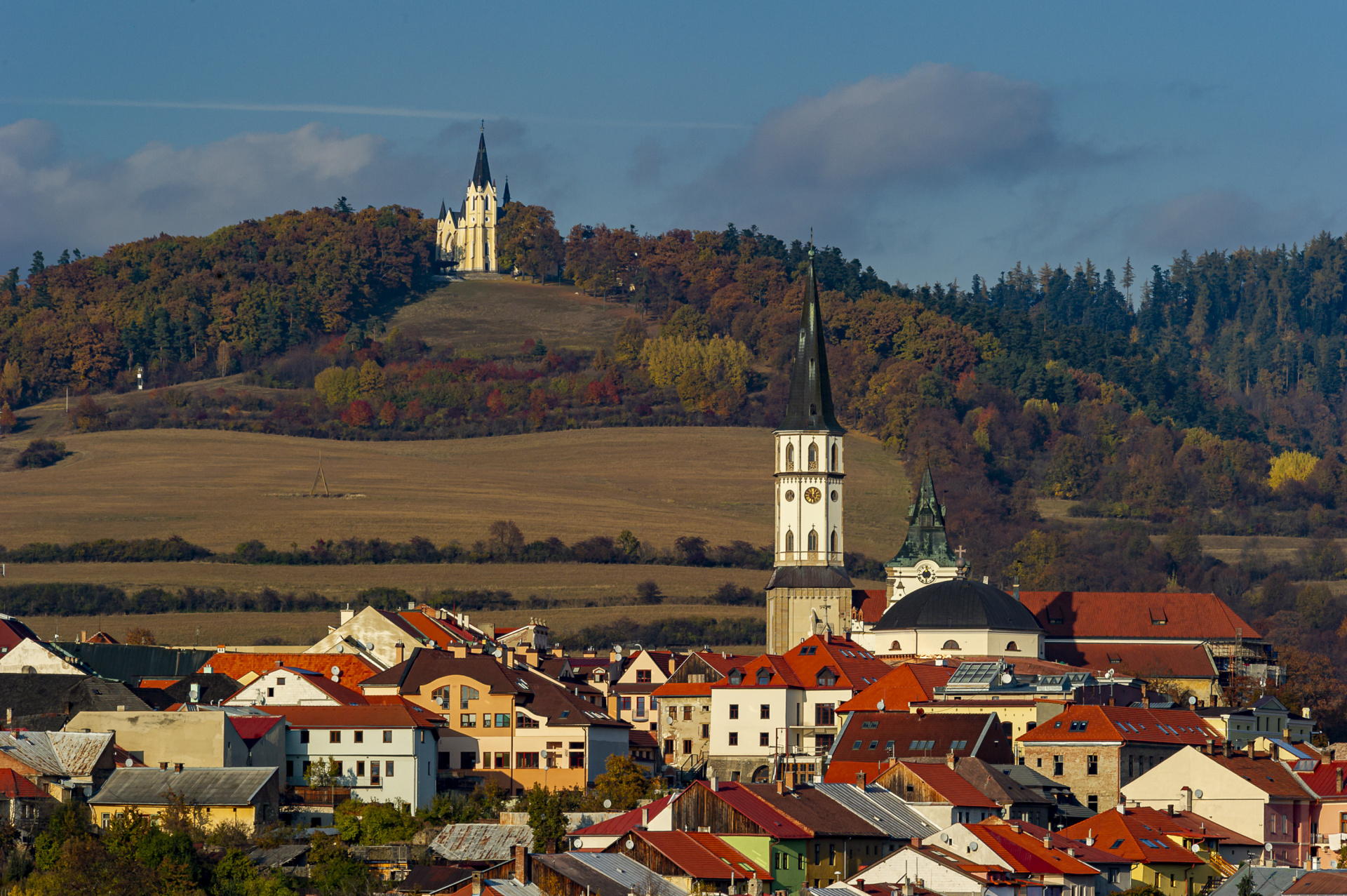
Levoča is one of the most precious historic towns in Slovakia. Its well-preserved medieval center, featuring the expansive Master Paul Square, burgher houses, and city fortifications, was inscribed on the UNESCO World Heritage List in 2009. The town’s dominant feature is St. James’s Basilica, which houses the world’s tallest wooden Gothic altar—an 18.62-meter-high work by Master Paul of Levoča.
As you stroll through the center, you’ll discover the historic town hall, the Cage of Shame, stately townhouses, churches, and well-preserved city gates. After climbing the 216 steps in the tower of St. James’s Basilica, you’ll be rewarded with a view of the city, Mariánska Mountain, the High and Low Tatras, and Slovak Paradise. You can also learn about the history of individual landmarks using an audio guide with 22 stops.

What We Offer

What do you need to know before you arrive?
Please read this before your visit
Visitor admission to St. James Basilica takes place at specific times, which vary by season. In 2026, the standard admission fee for adults is €4. The tower is open to visitors from June 15 through September 30, with a standard admission fee of €3. We recommend checking the current schedule before your visit, as admission times may be affected by church services or weddings.
The exhibits at the Spiš Museum in Levoča are open daily from 9:00 a.m. to 5:00 p.m.; last admission is at 3:30 p.m. The tour begins on the ground floor of the Historic Town Hall. Master Paul’s House is currently closed for renovation, so please check the current availability of individual exhibits before your visit.
Parking directly on Námestie Majstra Pavla is subject to a fee year-round from 8:00 a.m. to 4:00 p.m. You can park for free at the overflow parking lots in the moat in front of the Košice Gate, about a five-minute walk from the city center. The information office at 47 Námestie Majstra Pavla is open daily from 9:00 a.m. to 5:00 p.m.
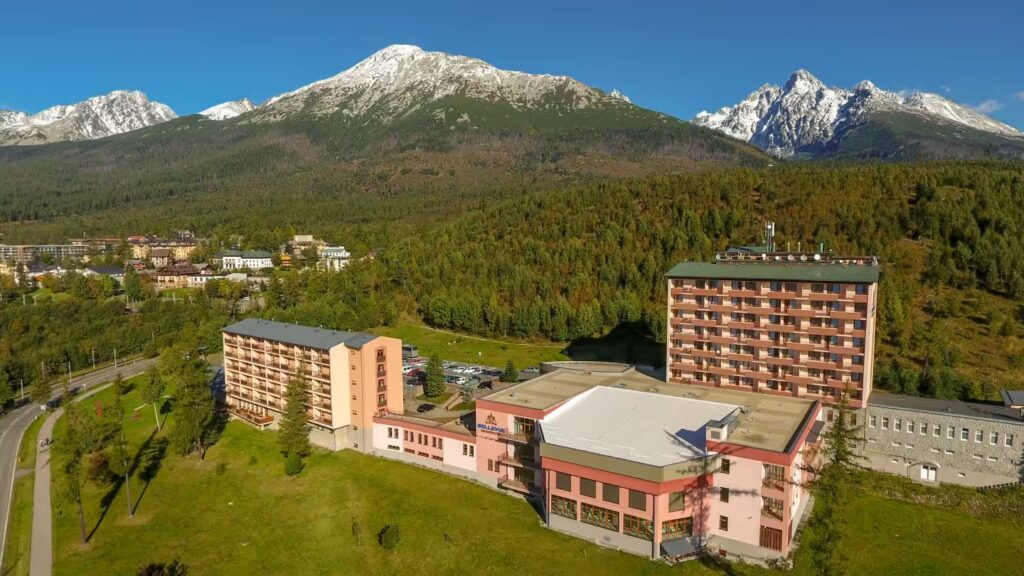
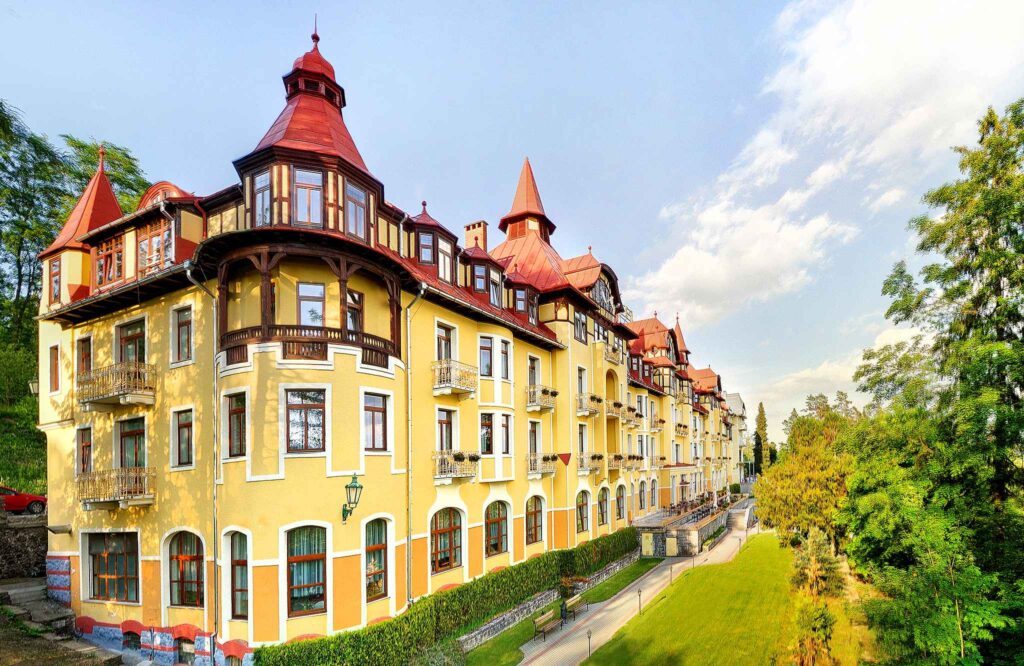
Where to Stay in the Area
Plan a comfortable stay—choose accommodations near this location and enjoy the region to the fullest without unnecessary travel.




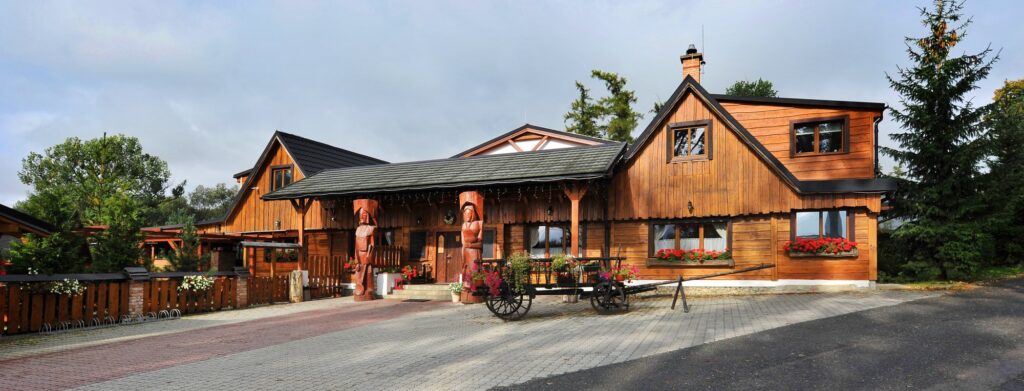
Where to Eat in the Area
From traditional Tatra mountain huts to modern restaurants with mountain views—discover the local cuisine and plan where you’ll treat yourself to a well-deserved break with a good meal after your trip.





That's how it looks here. Take a look
Other Trips in the High Tatras Area
The area around the Tatra Mountains is home to even more places worth visiting—discover other destinations and plan an outing for each day of your stay in the region.


Must-See Places. Discover them one by one
Every corner of the High Tatras and the surrounding area has its own story. Discover the places that shape the character of the region.




The Tatra Mountains wake up differently every day
Current conditions, upcoming events, and editorial recommendations. Everything you need to know before heading to the Tatras.

Webcams
Poprad
-3°C
Clear

Lomnický štít
-12°C
Clear
Tatranská Lomnica
-3°C
Clear
Starý Smokovec
-2°C
Clear
Hrebienok
-3°C
Clear
Štrbské Pleso
-2°C
Clear
Skalnaté pleso
-3°C
Clear
Solisko
-2°C
Clear


Everything You Need to Know Before Your Trip
Answers to the most frequently asked questions about the High Tatras region.