5897 – Tatranská Kotlina – Plesnivec Lodge
A Challenging Bicycle Route Through the Valley of the Seven Springs



Elevation Gain During the Ascent
Elevation of the Plesnivec Cabin
A trail for experienced mountain bikers
Through wooded terrain and steep ascents all the way to the Plesnivec Lodge
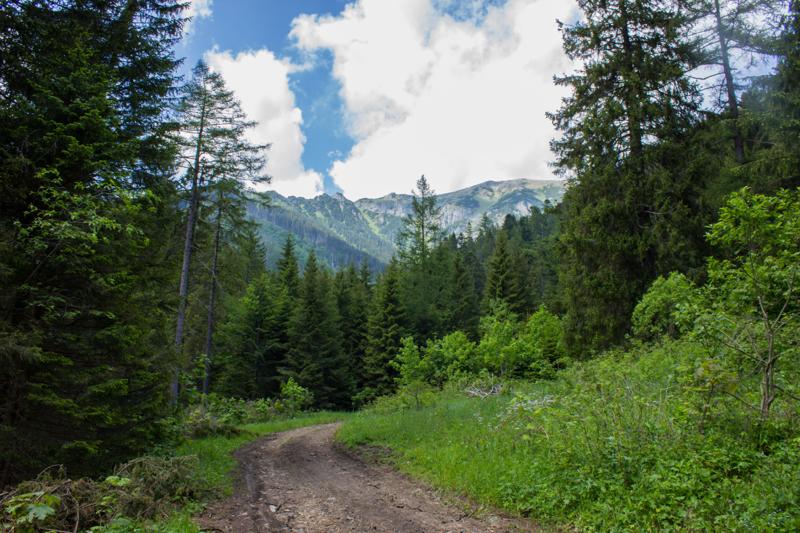
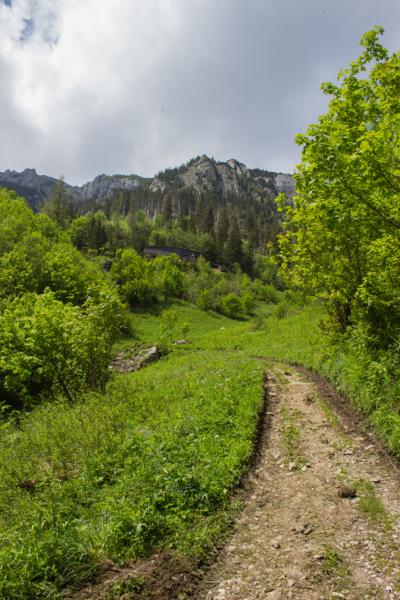
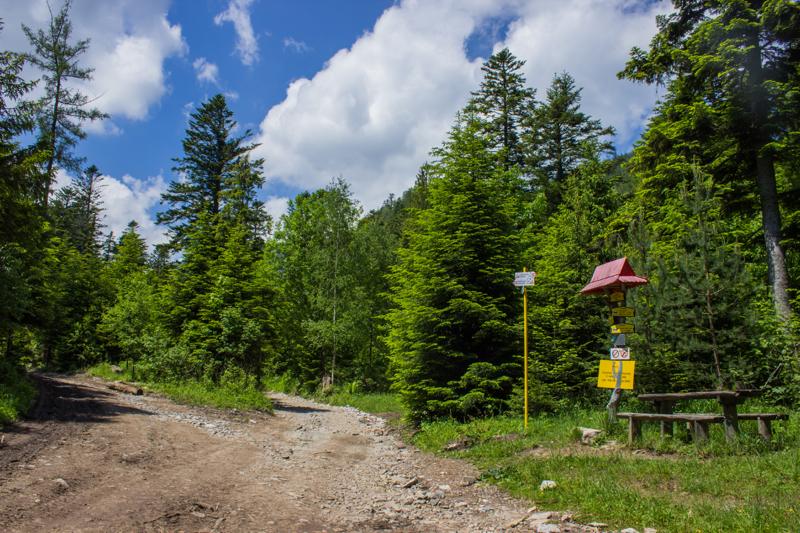
The bike trail begins at the Čarda stop in Tatranská Kotlina and initially follows a designated section of the VM4 toward the Fľak Nature Trail. From the very first kilometers, it climbs steadily along a forest trail through the Valley of the Seven Springs. The spruce forest, rocky surface, and steep sections in places require good physical fitness and confident bike handling.
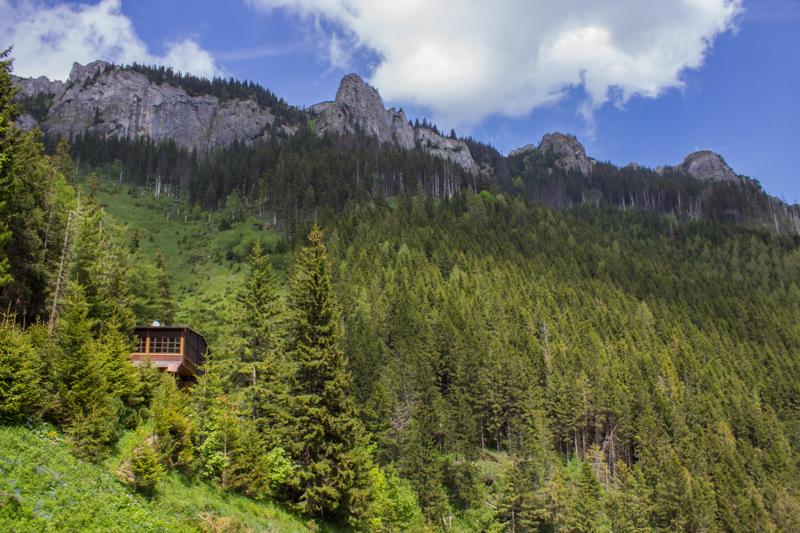
The most challenging climb awaits at the end, just before the Plesnivec Mountain Hut at an elevation of 1,290 m above sea level. The only mountain hut in the Belianske Tatras offers a chance to rest, grab a bite to eat, and enjoy the views—a well-deserved reward for the strenuous climb.
Warning
Hikers also use this trail. Especially when descending, adjust your speed to the rocky surface, be considerate of hikers, and be prepared for steeper, technically challenging sections.
What We Offer

Trasa a výškový profil
What do you need to know before you arrive?
Please read this before your visit
This bike trail is considered a technically and physically demanding ride. The continuous climb, rocky surface, and steep final stretch require good physical conditioning and experience riding in mountainous terrain.
The forest road is also used by pedestrians. Drive carefully, slow down in advance, and pay special attention to downhill sections and narrower stretches.
A Challenging Ride Along the Only Bicycle Trail to the Cabin in the Belianske Tatras
Bike Trail 5897 begins in Tatranská Kotlina at the Čarda stop and climbs through the Valley of the Seven Springs to the Plesnivec Chalet at an elevation of approximately 1,290 meters above sea level. This short but challenging route leads through a dense spruce forest and climbs approximately 546 meters over a distance of 6.8 kilometers.
This ride is intended primarily for experienced mountain bikers. The reward for the challenging climb is a visit to the only mountain hut in the Belianske Tatras, the alpine setting, and the opportunity to enjoy refreshments at the finish line.
Through the Valley of the Seven Springs
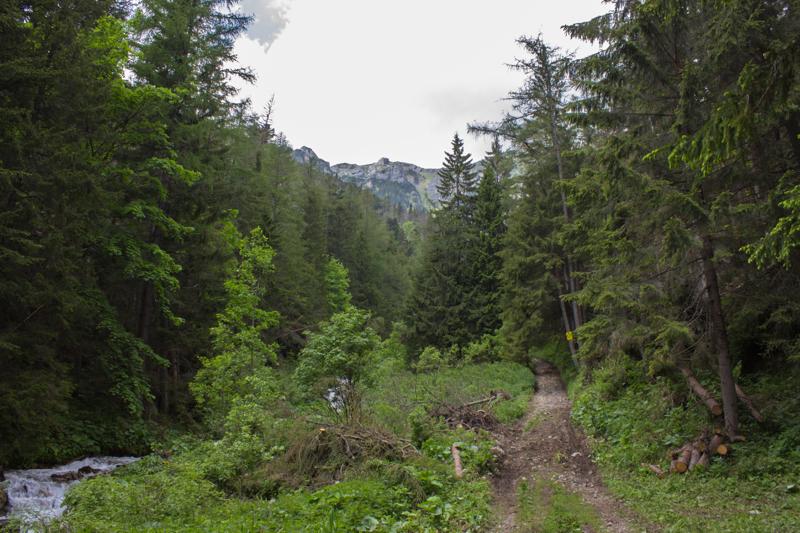
From the Čarda stop, the trail begins by passing through the VM4 designated area. The trail then winds through the wooded landscape of the Valley of the Seven Springs and gradually gains elevation.
Rocky mountain terrain
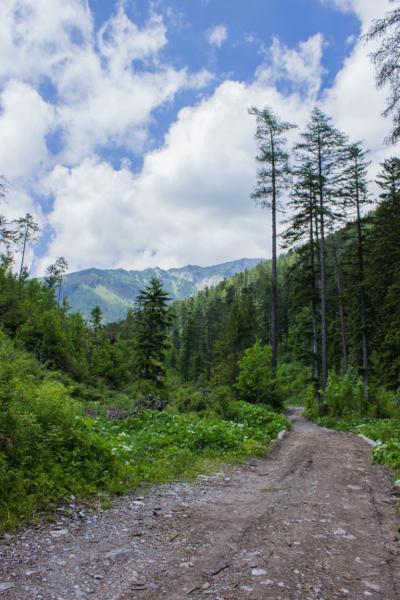
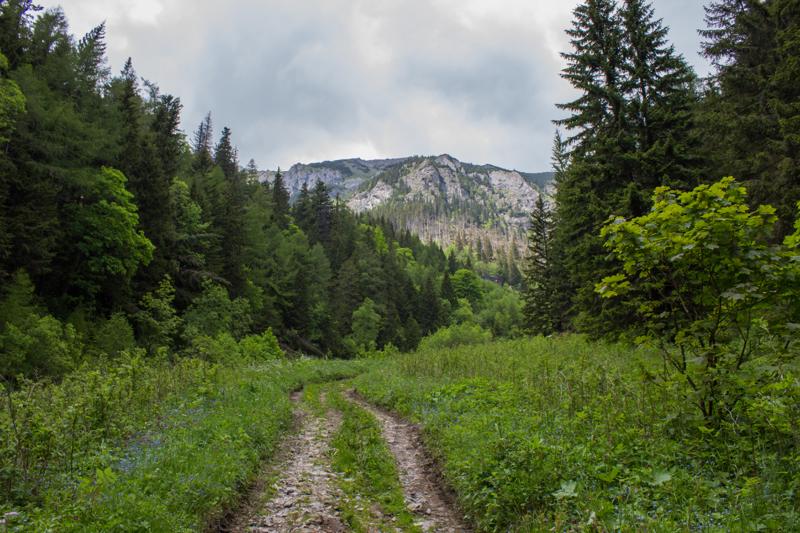
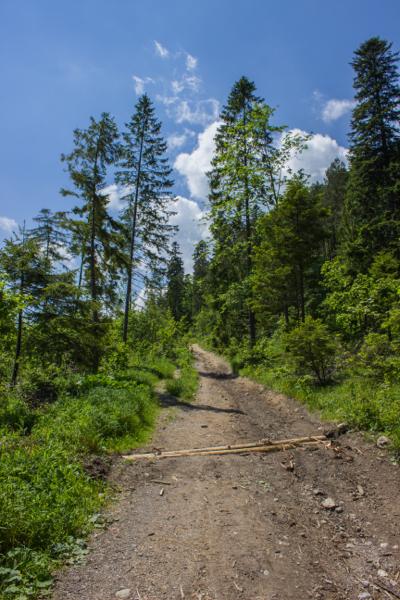
The trail consists of a forest and gravel path, with more prominent rocky sections in places. Uneven terrain and steeper sections require a mountain bike, good riding technique, and extra caution.
The Most Challenging Finale
The steepest climb comes in the final stretch before the Plesnivec Lodge. So, pace yourself before the finish, and if you have to push your bike, leave plenty of room for other visitors.

Tak to u nás vyzerá. Pozrite sa

Explore the region on two wheels
The Tatra Mountains offer an extensive network of bike trails for every type of cyclist—from easy trails in the foothills to challenging mountain loops with views that make every strenuous pedal stroke worthwhile.
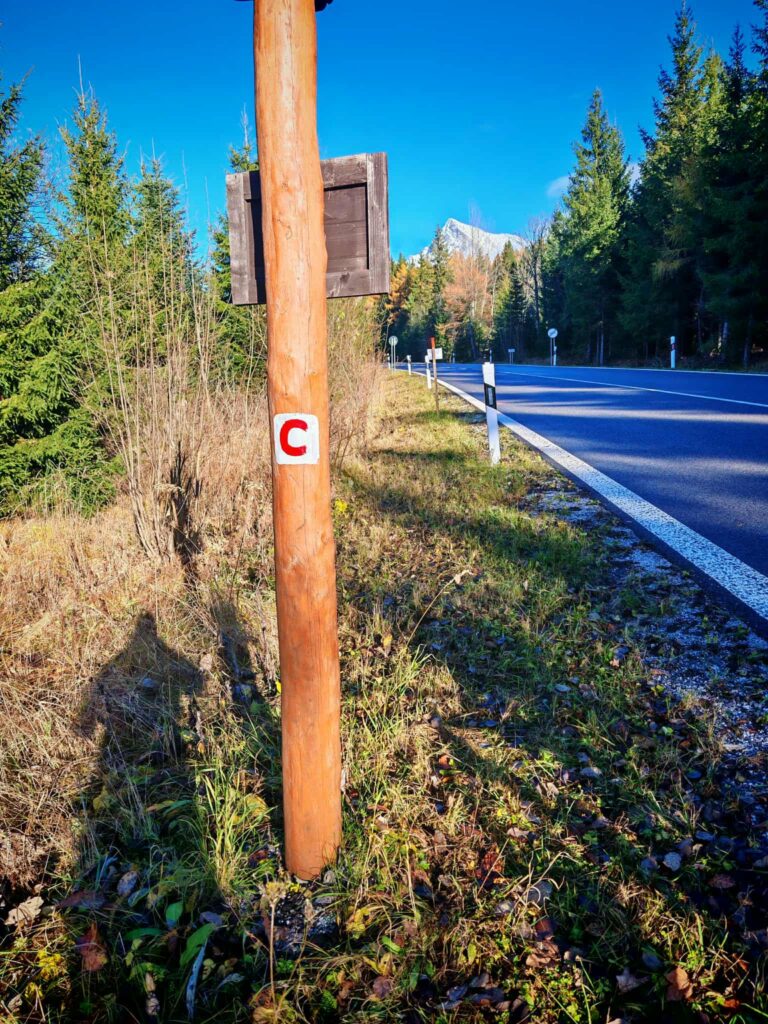


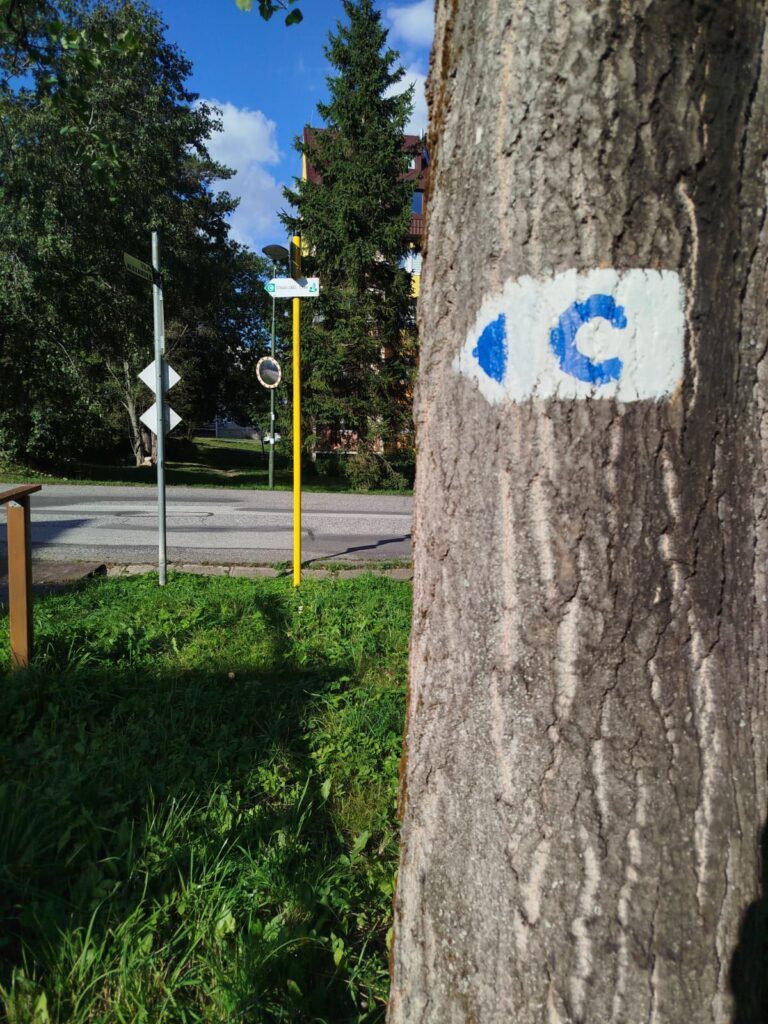


Must-See Places. Discover them one by one
Every corner of the High Tatras has its own story. Discover the places that shape the character of the region.
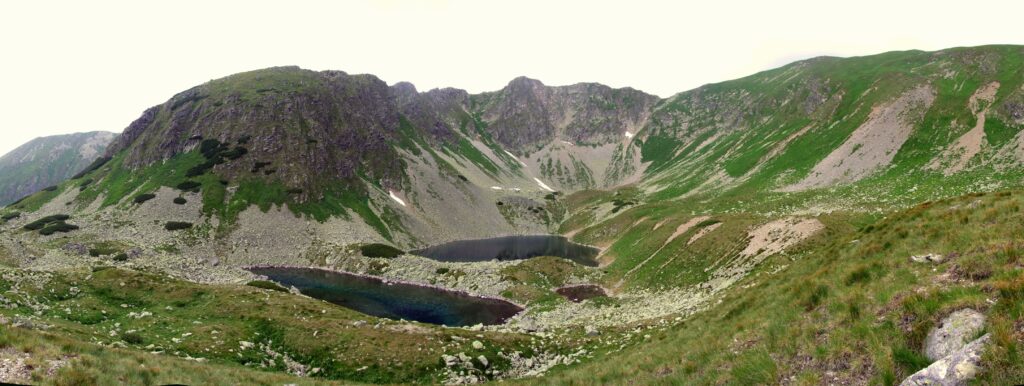
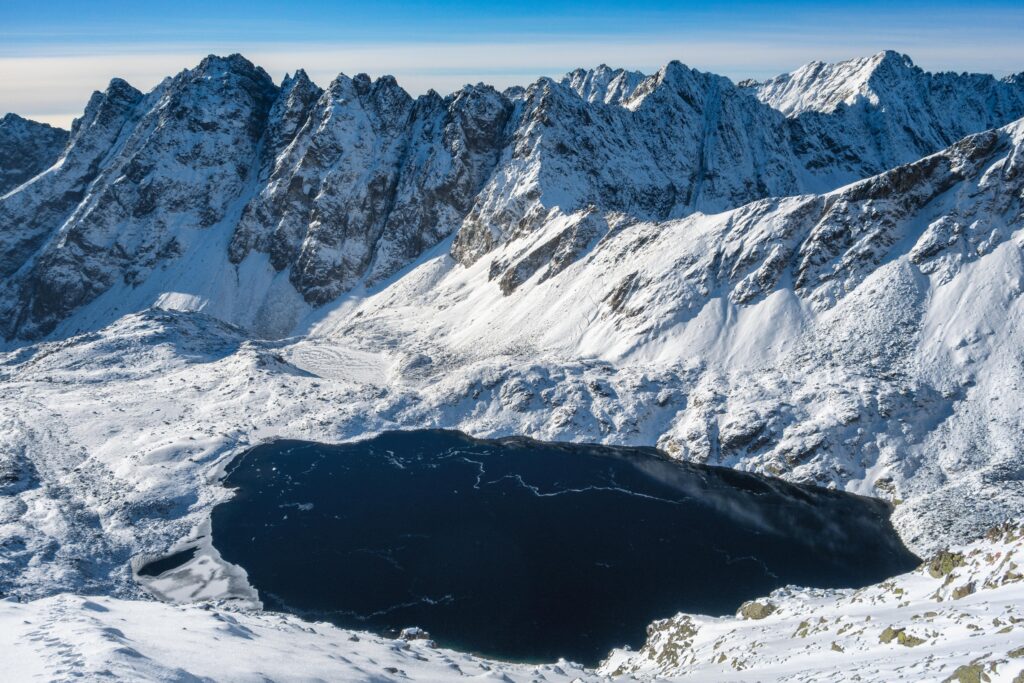




The Tatra Mountains wake up differently every day
Current conditions, upcoming events, and editorial recommendations. Everything you need to know before heading to the Tatras.

Webcams
Poprad
-3°C
Clear

Lomnický štít
-12°C
Clear
Tatranská Lomnica
-3°C
Clear
Starý Smokovec
-2°C
Clear
Hrebienok
-3°C
Clear
Štrbské Pleso
-2°C
Clear
Skalnaté pleso
-3°C
Clear
Solisko
-2°C
Clear


Everything You Need to Know Before Your Trip
Answers to the most frequently asked questions about the High Tatras region.