Tatranská Javorina
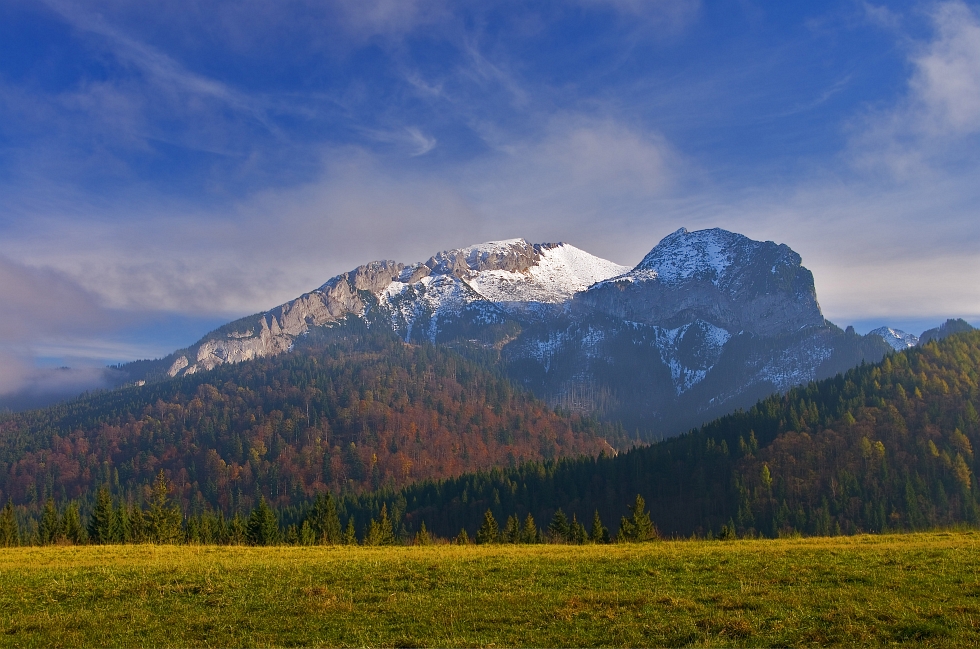
A peaceful mountain village nestled in the Belianske Tatras and the Javorová Valley.



The area of the former Javorina estate
The Length of the Largest Glacier in the Tatra Mountains
The elevation of the highest pass in the Tatra Mountains accessible to tourists
A quiet mountain village where the story of the ironworkers and Prince Hohenlohe intertwines with wooden landmarks and the untamed wilderness of the Northern Tatras
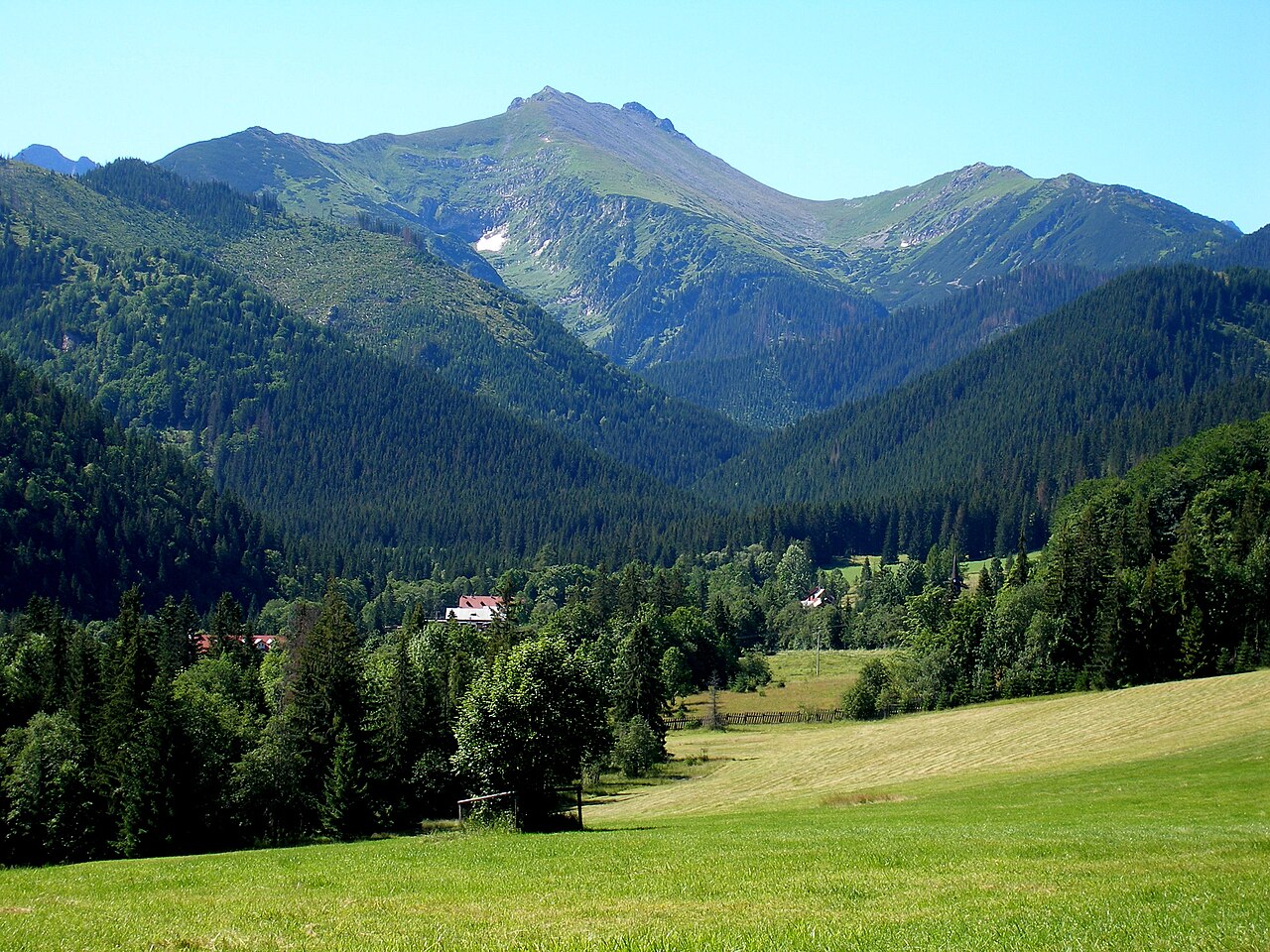
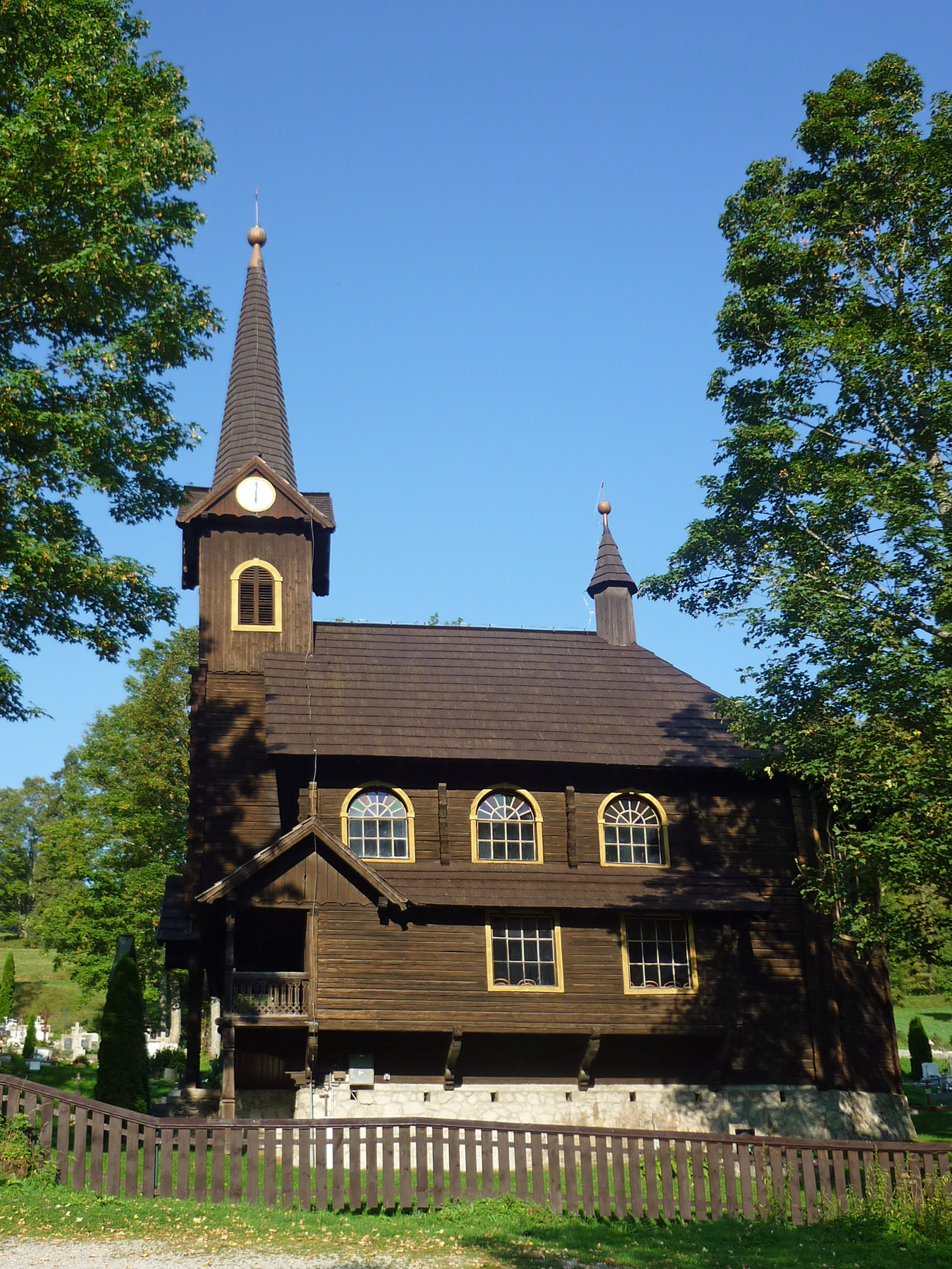
Tatranská Javorina lies at the foot of the northern slopes of the Belianske Tatras, at the mouth of the Javorová Valley. Its history began in 1759, when František Horváth of Plavec, the owner of the Lendak estate, had ironworks built there. A settlement gradually grew up around them, inhabited by ironworkers, smelters, and charcoal burners. The name Javorina evokes the maple trees that were once a significant part of the local forests.
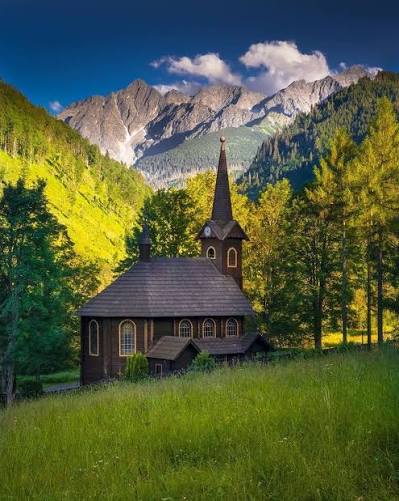
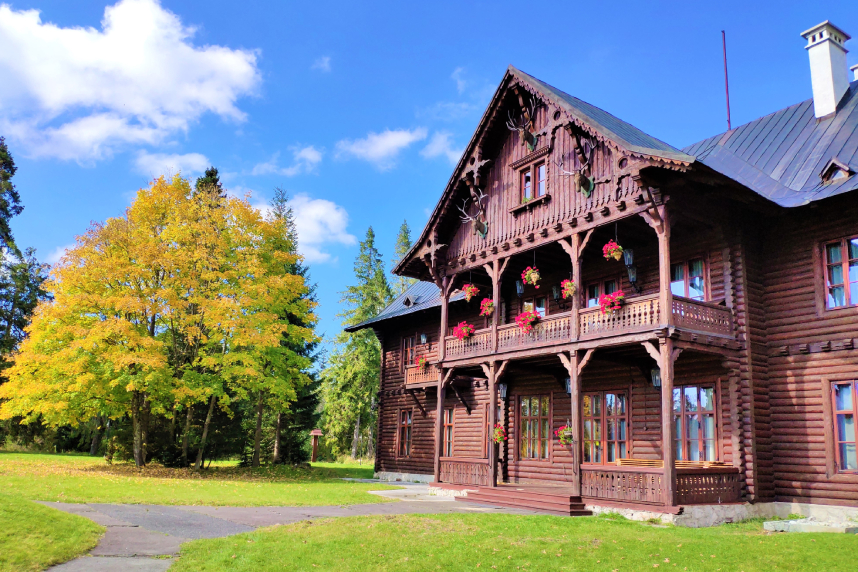
The village took on a new form after 1879, when Prussian Prince Christian Kraft Hohenlohe purchased more than 10,000 hectares of the local estate. Between 1883 and 1885, he had a wooden hunting lodge built here, and later also St. Anne’s Church. The prince established an extensive game reserve, implemented nature conservation measures, and marked out hiking trails through the Poľský Ridge, Sedielko, and Kopské Saddle, which are still used today.
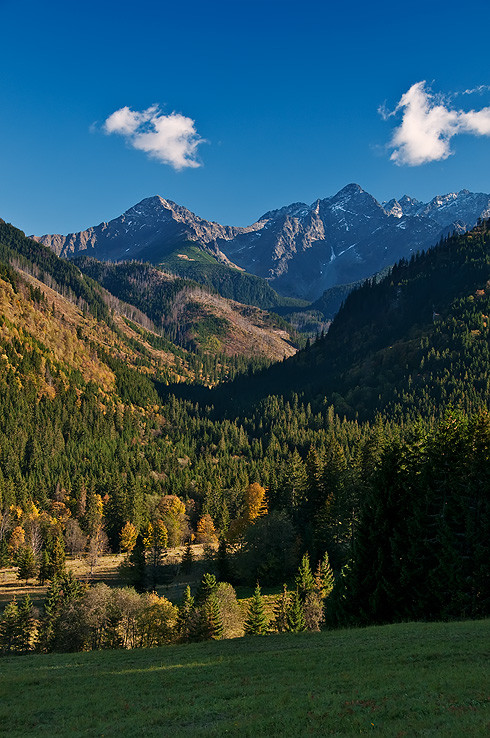
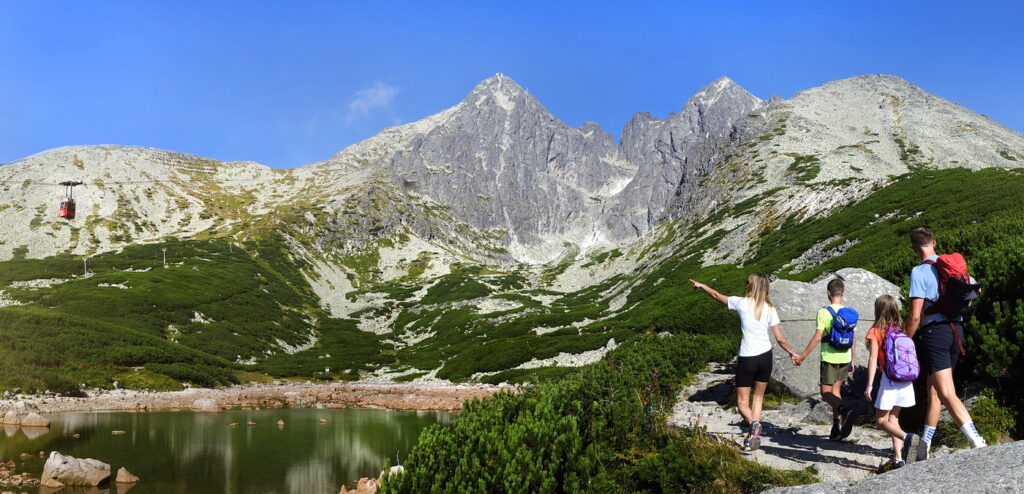
Today, Tatranská Javorina serves as the starting point for the Javorová and Bielovodská valleys. The Javorová Valley is home to eleven mountain lakes, and a challenging trail runs through it to Sedielko—the highest mountain pass in the Tatras accessible to hikers. The Bielovodská Valley, in turn, was shaped by the largest glacier in the Tatras, which reached a length of approximately 13 kilometers.

What We Offer

What do you need to know before you arrive?
Please read this before your visit
The castle is open only during organized guided tours. In 2026, tours will take place every Thursday, except on holidays and certain other days. The number of visitors is limited to 20 people; admission is free, and those with reservations are given priority.
Selected high-altitude sections in the Javorová and Bielovodská valleys are closed during the winter. Before setting out on a hike, check the current accessibility of the trail, the condition of the trails, and the rules of the Tatra National Park.
The trails to Sedielko, Kopské sedlo, or deeper into the Bielovodská Valley are long mountain hikes. Set out early in the morning, check the weather forecast, and choose a route that suits your fitness level. A suitable shorter alternative is a walk from Tatranská Javorina to the Pod Muráňom forest lodge.
Where to Stay in the Area
Plan a comfortable stay—choose accommodations near this location and enjoy the region to the fullest without unnecessary travel.



That's how it looks here. Take a look
Discover other cities and towns in the region
Every town and village in the Tatra Mountains has its own history, character, and atmosphere—explore other destinations worth visiting.


Must-See Places: Discover One Place at a Time
Every corner of the High Tatras has its own story. Discover the places that shape the character of the region.



The Tatra Mountains wake up differently every day
Current conditions, upcoming events, and editorial recommendations. Everything you need to know before heading to the Tatras.

Webcams
Poprad
5°C
Clear

Lomnický štít
-4°C
Clear
Tatranská Lomnica
3°C
Clear
Starý Smokovec
3°C
Clear
Hrebienok
2°C
Clear
Štrbské Pleso
4°C
Clear
Skalnaté pleso
1°C
Clear
Solisko
0°C
Clear


Everything You Need to Know Before Your Trip
Answers to the most frequently asked questions about the High Tatras region.