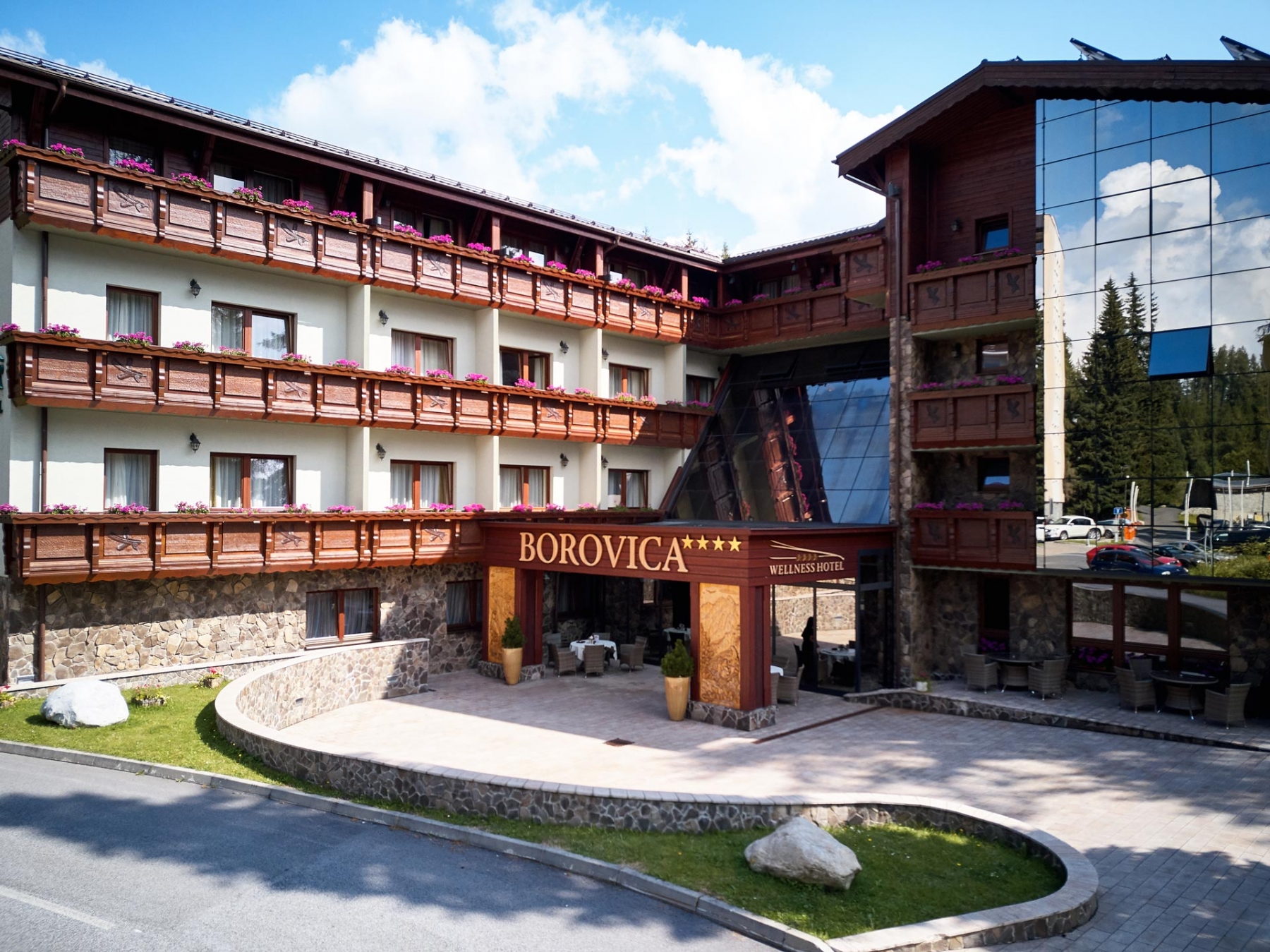
Wellness Hotel Borovica Restaurant

Borovica Wellness Hotel_Restaurant
Štrbské Pleso
Seasonal Cuisine

Dishes made with local ingredients

Well-being Menu

An Offer Perfect for Relaxation

A Gourmet Experience

The hard work of an experienced team

Seasonal cuisine with an emphasis on local ingredients

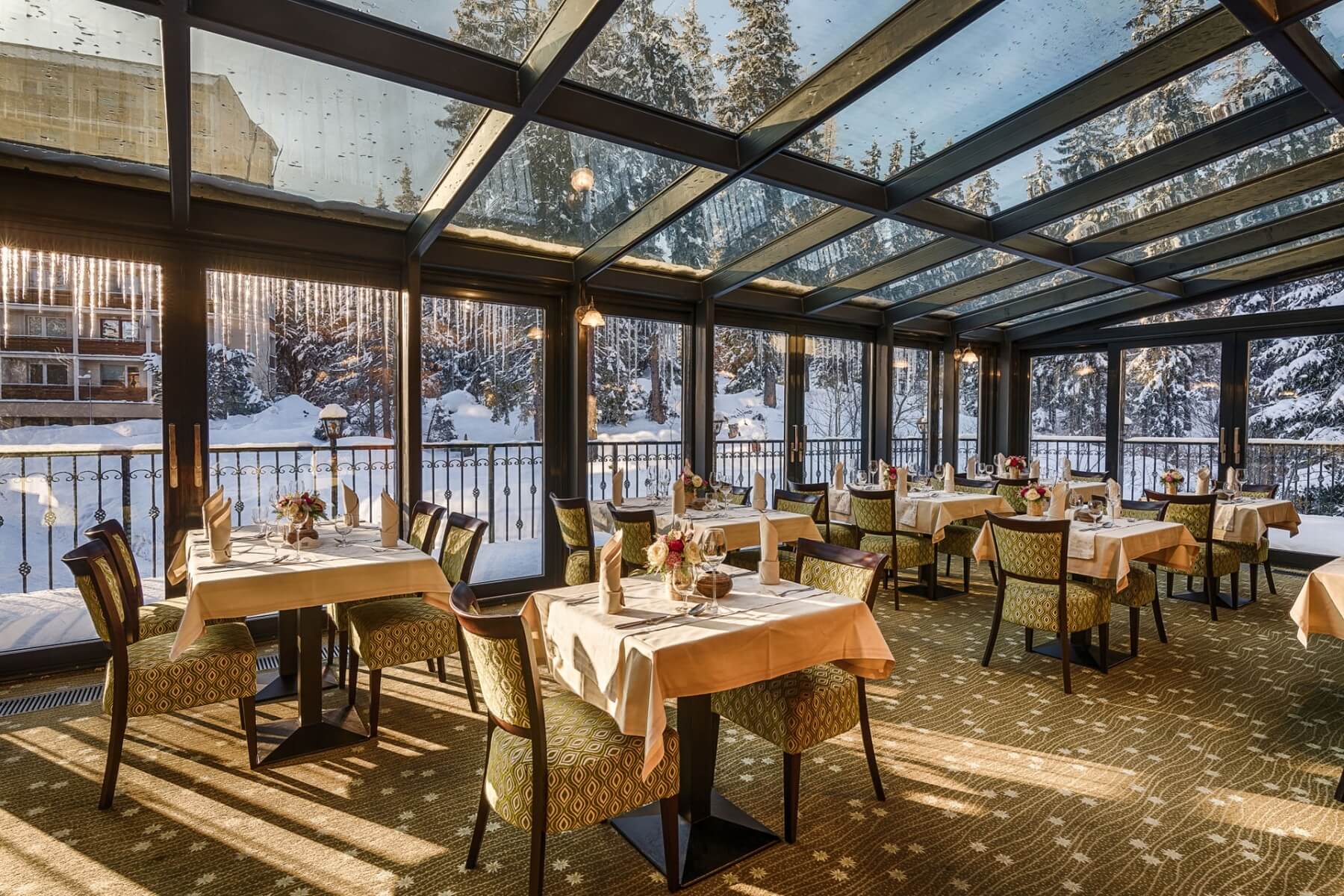
The hotel restaurant offers traditional Slovak and European cuisine with an emphasis on seasonal ingredients, locally sourced produce, and authentic culinary traditions. The dishes are prepared to provide guests with a delightful gourmet experience every day of their stay.

A team of experienced professionals ensures a varied selection of dishes and evening menus, combining high-quality ingredients with a modern approach to gastronomy. The menu is also designed with the hotel’s wellness and well-being concept in mind, naturally complementing the relaxing nature of the stay.

Slovak and European Cuisine
Local and seasonal ingredients
An Evening Menu Inspired by Well-Being
What We Offer
Seasonal Dishes
Dinner Menu
A Gourmet Experience
What do you need to know before you arrive?
The summer menu features 9 main dishes
The children's menu includes 4 dishes
The kitchen is led by Executive Chef Michal Budzák
The menu features traditional dishes with a modern twist
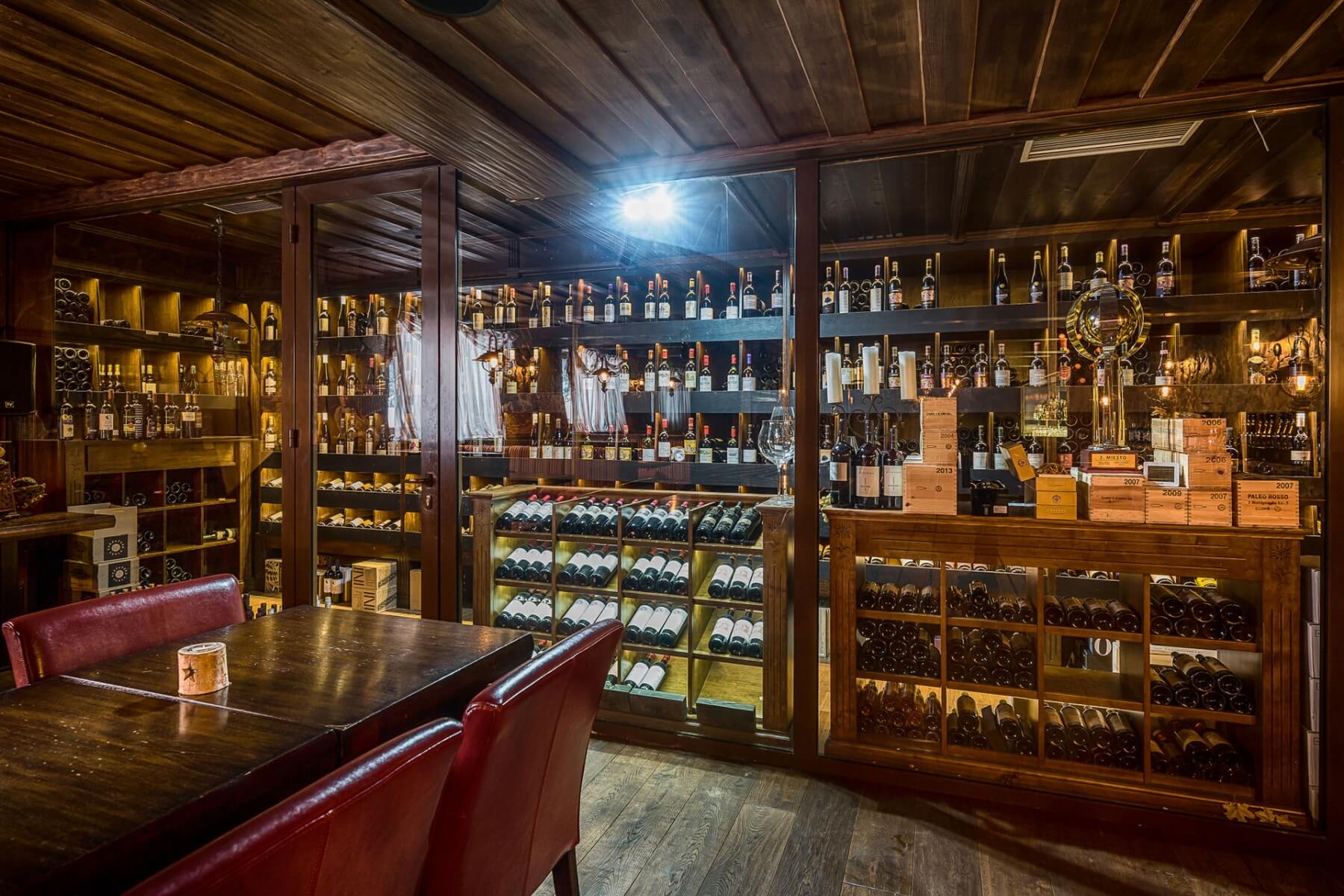
The selected dishes are complemented by the sommelier's recommendations

Please read this before your visit

Traditional Flavors with a Modern Twist

The restaurant at the Wellness Hotel Borovica combines Slovak ingredients with modern cuisine. The menu features džatky with bryndza, homemade bryndza pirohy, and lamb with bryndza crumble.

Main Courses

You can choose from pike, veal cutlet, beef steak, corn-fed chicken breasts, pasta, and salads. Recommended wine pairings are available for many of the dishes.

For Kids and Sweet Treats

The kids' menu features chicken nuggets, plain chicken breast, spaghetti with tomato sauce, and potato noodles. The dessert selection includes apple bread pudding with cottage cheese, salted caramel, and meringue.

More dining tips in the region. Discover one place at a time

Discover more culinary experiences in the area. Each place has its own unique flavor and atmosphere.

Everything You Need to Know Before Your Trip

Answers to the most frequently asked questions about the High Tatras region.

    The Tatras directly to your inbox

    Once in a while, we'll send you the best.

    The High Tatras have something to offer all year round. The best time for high-altitude hiking is from June to October, when the hiking trails at higher elevations are open. Fall brings more stable weather, pleasant temperatures, and beautiful views. Winter is ideal for skiing, winter walks, and visiting locations that are accessible year-round. Before setting out on a trip, always check the current weather conditions and any trail closures.

    You do not need a special permit for regular hiking on marked trails. However, you must comply with TANAP’s visitor regulations and seasonal closures, and you may only hike on open trails. Special rules apply, for example, to rock climbing, ski mountaineering, hiking off marked trails, or bringing a dog into the park.

    You can easily reach the main Tatra resorts by train. The Tatra Electric Railways connect Poprad, Starý Smokovec, Štrbské Pleso, and Tatranská Lomnica. A cog railway runs from Štrba to Štrbské Pleso. You can also take advantage of regular bus routes and seasonal shuttle services in the region.

    You can park in designated parking lots in the various Tatra villages. During peak periods, we recommend using the P+R park-and-ride lot at Eurocamp in Tatranská Lomnica and continuing by shuttle bus. From this parking lot, you can take public transportation to destinations such as Tatranská Lomnica, Tatranské Matliare, Biela Voda, or the Belianska Cave.

    For hiking, choose sturdy hiking boots with non-slip soles that stabilize your feet and protect them on rocky or wet terrain. Your gear should also include weather-appropriate clothing and a rain jacket. Sandals and regular city shoes are not suitable for more demanding hikes.

    When a storm is approaching, leave peaks, ridges, saddles, mountain passes, and open areas as soon as possible. Descend to lower elevations, avoid standing near isolated trees or metal objects, and keep your distance from other members of your group. If possible, take shelter in a mountain hut or a safe building. The best prevention is to check the weather forecast, set out early in the morning, and shorten or cancel your hike in a timely manner if conditions take a turn for the worse. Safety must take precedence over reaching your destination.